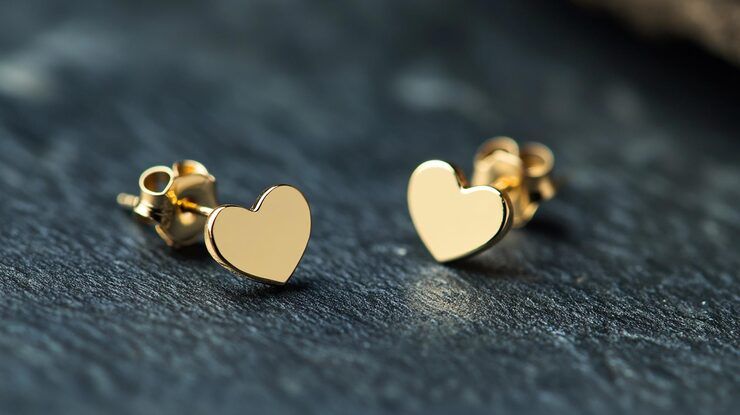
Small heart studs are compact earrings designed around a heart-shaped motif. They are available in different metals, finishes, sizes, and decorative styles, ranging from simple polished shapes to designs featuring diamonds, colored gemstones, enamel, or textured surfaces.
Their small size makes them suitable for everyday styling, formal occasions, and combinations with other earrings. The heart shape is widely associated with affection, connection, and personal expression, although its meaning can vary between individuals and cultures.
Small heart studs are produced in several jewelry categories, including fine jewelry made from precious metals and gemstones, as well as fashion jewelry made from plated metals or other decorative materials. Understanding these differences helps people evaluate durability, appearance, maintenance, and suitability for different uses.
Understanding Small Heart Stud Designs
Small heart stud earrings generally consist of a decorative front attached to a post that passes through the earlobe. A backing secures the earring in place.
The design can be flat and minimal or shaped with curved surfaces to create a more dimensional appearance. Some earrings use a single metal outline, while others feature solid heart shapes or gemstone arrangements.
Common design variations include:
Plain metal hearts: Simple shapes made from gold, silver, or other jewelry metals.
Diamond heart studs: Designs featuring one or more diamonds.
Gemstone heart studs: Earrings decorated with colored stones.
Open-heart studs: Outline designs with an open center.
Enamel heart studs: Metal surfaces decorated with colored enamel.
Textured heart studs: Designs featuring hammered, brushed, or patterned finishes.
Two-tone heart studs: Combinations of different metal colors.
Miniature heart studs: Particularly small designs intended for understated styling.
The proportions of the heart, thickness of the metal, post placement, and backing style influence both the appearance and comfort of the earrings.
Materials Used in Heart Stud Earrings
The material determines much of an earring's appearance, durability, maintenance needs, and potential suitability for sensitive ears.
Gold: Solid gold is available in different purities, including 14-karat and 18-karat gold. Higher gold content generally produces a richer yellow color, although durability also depends on the alloy and construction.
Sterling silver: Sterling silver typically contains 92.5% silver, with other metals added to improve strength. It can develop tarnish through exposure to air, moisture, and certain chemicals.
Gold-plated metals: These have a surface layer of gold over a different base material. The coating can gradually wear, depending on its thickness, use, and maintenance.
Platinum: Platinum is a dense precious metal used in some fine jewelry. Its appearance, weight, and durability differ from those of gold and silver.
Diamonds and colored gemstones: These provide sparkle or color, but their durability and maintenance requirements depend on the individual stone, setting, and treatment.
Importance of Small Heart Studs
Small heart studs are relevant to jewelry design because they combine a recognizable shape with a compact form. Their understated proportions can complement different clothing styles without dominating the overall appearance.
Everyday Styling
Small earrings can be incorporated into casual, professional, and formal outfits. Their compact shape also makes them suitable for people who prefer minimal jewelry.
Possible styling combinations include:
Small gold hearts with neutral clothing
Silver heart studs with cool-toned accessories
Gemstone hearts with coordinated colors
Open-heart designs with delicate necklaces
Heart studs paired with additional ear piercings
The best combination depends on personal preference, clothing, hairstyle, and the scale of other accessories.
Jewelry Quality and Longevity
Material quality matters because earrings are worn close to the skin and can experience repeated contact with moisture, cosmetics, hair products, and clothing.
Well-constructed posts, secure backings, smooth edges, and durable settings can help improve comfort and reduce the risk of losing decorative components.
For gemstone earrings, the setting should hold each stone securely. Prongs, bezels, and other mounting methods should be examined for visible damage or looseness.
Skin Sensitivity
Some people experience irritation from metals used in jewelry, particularly nickel. Earrings intended for sensitive ears may be made from suitable grades of titanium, niobium, or precious metals with carefully documented alloy compositions.
The description “hypoallergenic” does not guarantee that every wearer will avoid a reaction. Material composition and individual sensitivity remain important considerations.
Recent Trends in Small Heart Studs
During 2025 and 2026, jewelry styling continued to include minimalist designs, personal symbolism, mixed-metal combinations, and combinations of small earrings across multiple piercings.
Minimalist Jewelry
Compact jewelry remains relevant to everyday styling because it can complement different outfits and be worn in a variety of settings.
Small heart studs fit this approach through simple outlines, polished surfaces, and restrained gemstone details. Their visual impact generally depends more on shape and proportion than on size.
Personalized Jewelry
Jewelry featuring symbolic shapes, initials, birthstones, and meaningful motifs continues to form part of the broader personalized jewelry category.
Heart-shaped designs are commonly associated with affection and personal relationships, making them relevant to commemorative occasions as well as everyday wear.
Mixed Metals and Colored Details
Combining gold-colored and silver-colored jewelry can create contrast, while colored gemstones and enamel introduce additional visual interest.
These are broad design directions rather than universal preferences. Jewelry trends vary by region, age group, occasion, and individual style.
| Design Direction | Typical Features | Styling Character |
|---|---|---|
| Minimalist | Small, polished metal shapes | Understated |
| Gemstone | Diamonds or colored stones | Decorative |
| Vintage-inspired | Engraving and curved details | Traditional |
| Enamel | Colored decorative surfaces | Playful |
| Mixed metal | Contrasting metal colors | Contemporary |
| Textured | Brushed or patterned surfaces | Distinctive |
Jewelry Standards, Labeling, and Consumer Protection
The legal requirements governing jewelry vary by country. Metal purity, gemstone descriptions, product labeling, and advertising claims may be subject to national standards and consumer protection rules.
Precious Metal Purity
Gold and silver purity markings help identify the stated metal content. For example, 14-karat gold represents 14 parts gold out of 24, while sterling silver is commonly marked 925 to indicate 92.5% silver.
Markings should be interpreted alongside appropriate documentation because a stamp alone does not establish the authenticity of every item.
In India, the Bureau of Indian Standards administers hallmarking frameworks for covered precious-metal jewelry. Requirements and applicable categories can change, so current national guidance should be checked when evaluating jewelry in that market.
Gemstone Descriptions
Diamond and gemstone descriptions should accurately represent the material used. Natural diamonds, laboratory-grown diamonds, and imitation stones are different categories and should not be presented as interchangeable.
Where relevant, documentation can describe gemstone identity, treatments, origin claims, and other characteristics. The exact information available depends on the stone and the type of assessment performed.
Nickel and Skin Contact
Nickel exposure is a recognized cause of allergic contact dermatitis. Rules restricting nickel release from certain jewelry components apply in some markets, including the European Union.
People with known metal sensitivities should review material specifications and seek appropriate professional guidance if irritation develops.
Tools and Resources for Evaluating Heart Studs
Several resources can help people understand jewelry specifications and care requirements.
Jewelry Measurement Tools
A ruler or digital caliper can help measure the width and height of a heart-shaped stud. Measurements in millimeters are more informative than descriptions such as “tiny” or “small.”
Useful measurements include:
Heart width and height
Post length and thickness
Approximate decorative depth
Backing dimensions
Pair weight, when available
Metal and Gemstone Information
Jewelry documentation can help clarify gold purity, silver content, gemstone identity, and the presence of plating or treatments.
For diamonds, grading reports from recognized gemological laboratories may document characteristics such as color, clarity, cut, and carat weight when applicable.
Jewelry Care Supplies
Soft lint-free cloths and suitable jewelry-cleaning products can help maintain appearance. Cleaning methods should match the metal, gemstone, and setting because some chemicals or abrasive materials can damage finishes.
Comparison Checklist
| Feature | What to Check |
|---|---|
| Metal | Exact material and purity |
| Size | Width and height in millimeters |
| Post | Length, thickness, and finish |
| Backing | Security and comfort |
| Gemstones | Type, setting, and documentation |
| Surface finish | Polished, brushed, plated, or enamel |
| Care | Cleaning and storage requirements |
Frequently Asked Questions
Are small heart studs suitable for everyday wear?
They can be suitable for everyday styling, depending on their construction, material, and fit. Smooth edges, secure backings, and appropriate post dimensions can contribute to comfort.
Which materials are suitable for sensitive ears?
Suitable options may include implant-grade titanium, niobium, or certain precious-metal designs with verified alloy compositions. Individual sensitivities vary, so no material should be assumed to be universally suitable.
What is the difference between solid gold and gold-plated heart studs?
Solid gold contains gold throughout the metal alloy, while gold-plated earrings have a gold layer over another material. Plating can wear away over time, exposing the underlying metal.
How should heart stud earrings be cleaned?
Use a cleaning method appropriate for the material and any gemstones. A soft cloth is suitable for many metal surfaces, but abrasive cleaners and harsh chemicals can damage plating, enamel, or delicate settings.
How can the quality of diamond heart studs be assessed?
Consider the diamond documentation, stone setting, metal purity, workmanship, and overall construction. A recognized gemological report can provide additional information about a diamond's characteristics when one is available.
Conclusion
Small heart studs combine a recognizable shape with a compact jewelry design. Their versatility comes from the variety of available materials, finishes, gemstone settings, and proportions, allowing them to complement different personal styles and occasions.
Understanding metal purity, gemstone descriptions, backing security, and skin sensitivity can help people evaluate jewelry more carefully. Recent design directions also show how simple symbolic shapes can be adapted through minimalist styling, colored details, mixed metals, and personalized elements.
Accurate product information, suitable maintenance, and attention to construction are important for jewelry longevity. By considering these factors, small heart studs can be understood not only as a decorative accessory but also as an example of how material science, craftsmanship, design, and personal expression intersect in modern jewelry.