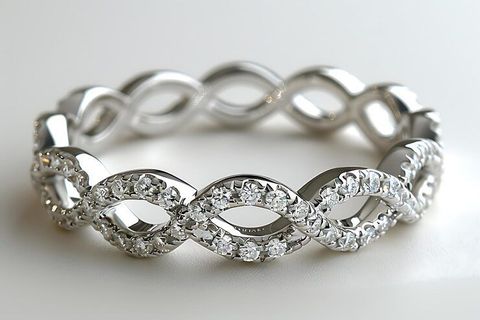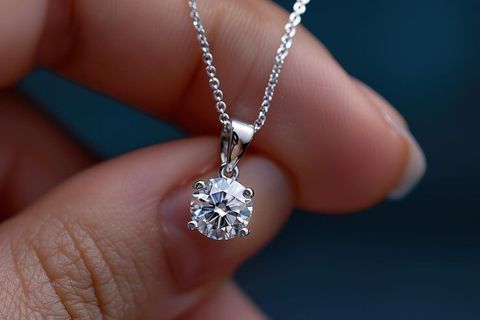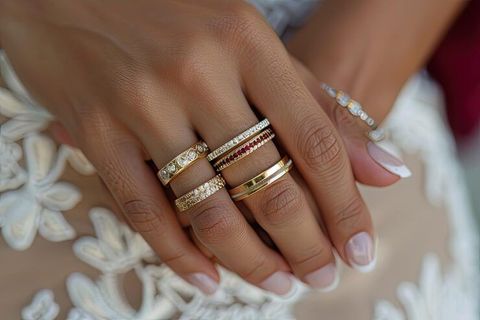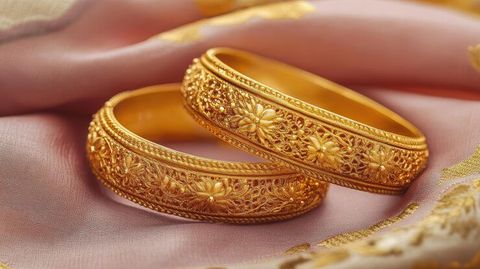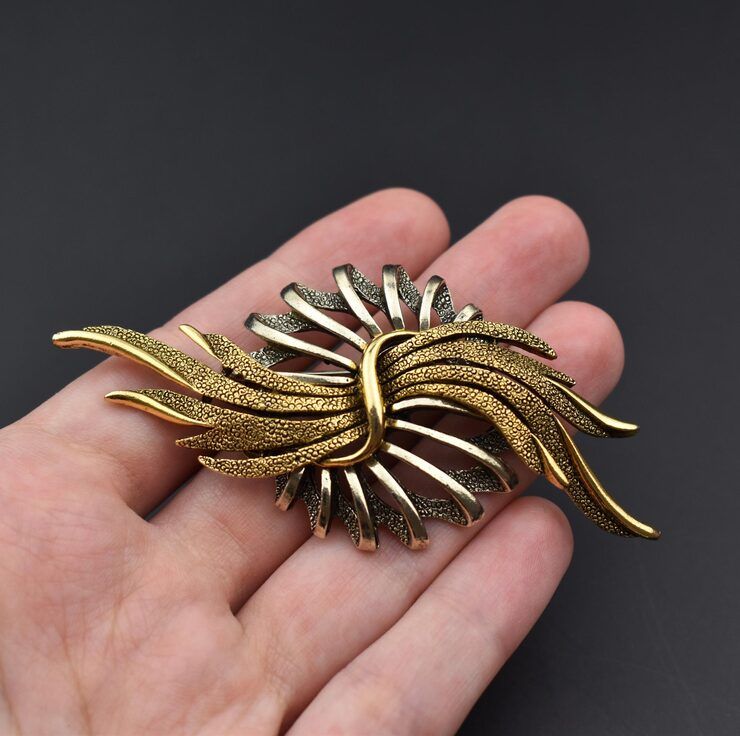
Designer brooches are decorative accessories designed to fasten to clothing while adding visual detail, artistic expression, or symbolic meaning. They can feature precious metals, gemstones, enamel, pearls, intricate metalwork, or contemporary materials. Their designs range from traditional floral motifs and animal figures to abstract shapes, geometric patterns, and sculptural pieces.
Brooches have been used across different cultures and historical periods. Early fastening objects served practical purposes, while later designs became important elements of personal adornment, ceremonial clothing, and fashion. Modern designer brooches combine these historical functions with contemporary jewelry design.
Unlike many accessories that are worn around the neck or wrist, a brooch can be positioned on jackets, coats, scarves, hats, dresses, and other suitable fabrics. Its appearance depends on the design, material, placement, and relationship with the rest of an outfit.
Understanding Designer Brooch Designs
Designer brooches vary in shape, construction, materials, and intended use. Some emphasize craftsmanship and precious gemstones, while others focus on artistic form, enamel colors, or unusual combinations of materials.
Common design categories include:
Floral brooches: Inspired by flowers, leaves, branches, and botanical forms.
Animal brooches: Representing birds, insects, mammals, and other creatures.
Geometric brooches: Featuring circles, squares, lines, and abstract arrangements.
Vintage-inspired brooches: Drawing on design periods such as Art Nouveau and Art Deco.
Gemstone brooches: Incorporating diamonds, sapphires, emeralds, pearls, or colored stones.
Statement brooches: Using larger forms or distinctive shapes to create a visual focal point.
Minimalist brooches: Emphasizing simple outlines, restrained decoration, and clean geometry.
Each category reflects different approaches to proportion, texture, color, and visual balance.
Materials and Craftsmanship
The material used in a brooch influences its appearance, durability, maintenance requirements, and documented value.
Gold and platinum are common precious metals in fine jewelry. Sterling silver is another established material, while brass, stainless steel, and other alloys are frequently used in fashion accessories.
Gemstones introduce additional design possibilities. Diamonds provide brilliance, colored gemstones create contrast, and pearls offer a softer surface appearance.
Enamel is also important in brooch design because it allows the use of detailed patterns and vivid colors. Depending on the technique, enamel can produce glossy, translucent, or opaque finishes.
Craftsmanship involves more than the visible decoration. The fastening mechanism, stone settings, soldered connections, surface finishing, and overall balance all affect the quality and practical use of the piece.
Importance of Designer Brooches in Contemporary Fashion
Designer brooches remain relevant because they combine personal expression, decorative function, traditional craftsmanship, and the ability to change the appearance of existing clothing.
Personal Style and Versatility
A brooch can introduce color or texture to an otherwise simple outfit. It may also communicate an interest in nature, architecture, history, or a particular artistic style.
Common placements include:
On a jacket lapel
Near the collar of a shirt
On a coat
At the shoulder of a dress
On a scarf or shawl
On a suitable hat or bag
Placement should account for the brooch's weight and fastening mechanism. Heavy pieces can pull on lightweight fabric, while sharp pins may damage delicate textiles.
Jewelry Craftsmanship
Brooches provide designers with opportunities to explore three-dimensional forms, movable elements, stone arrangements, and detailed metalwork.
Some pieces require several specialized techniques, including casting, engraving, polishing, stone setting, and enamel application. These methods connect contemporary jewelry with longstanding craft traditions.
Heritage and Collecting
Historical brooches can provide information about changing fashions, metalworking techniques, cultural symbols, and artistic movements.
Collectors may examine hallmarks, maker's marks, provenance, construction methods, and the condition of the fastening mechanism when researching a piece. Such details can help establish historical context, although they do not independently guarantee authenticity.
Recent Trends and Developments in Designer Brooches
During 2025 and 2026, jewelry discussions continued to emphasize expressive accessories, sculptural designs, vintage references, and the use of brooches beyond traditional formal clothing.
Statement Accessories
Larger decorative pieces and sculptural forms have remained visible in contemporary fashion styling. Designers use brooches to introduce a focal point to tailored jackets, coats, dresses, and layered outfits.
Botanical forms, abstract metalwork, and animal-inspired motifs provide different ways to incorporate decorative detail without changing an entire outfit.
Vintage-Inspired Jewelry
Interest in historical jewelry aesthetics continues to influence modern designs. Art Deco geometry, mid-century motifs, floral ornamentation, and antique-inspired finishes appear in contemporary brooch collections.
Vintage-inspired does not necessarily mean historically old. A newly manufactured brooch may use traditional visual elements while incorporating modern materials and production techniques.
Material Transparency and Responsible Sourcing
Jewelry discussions increasingly include the origin of precious metals and gemstones, recycled materials, and traceability documentation.
Responsible sourcing can involve reviewing supplier records, gemstone documentation, metal certifications, and information about manufacturing practices. The availability and reliability of such records vary by material and producer.
Digital Jewelry Research
Digital catalogs and museum collections make it easier to compare brooch designs across historical periods. High-resolution images can help researchers examine shapes, decorative techniques, and hallmarks, although physical inspection may still be necessary for authentication.
Laws and Policies Affecting Designer Brooches
Jewelry regulations vary by country. Requirements may cover precious-metal descriptions, gemstone disclosures, consumer protection, product safety, and the use of environmental or ethical claims.
Precious Metal Hallmarking
Hallmarking systems help communicate the precious-metal content of eligible jewelry items.
In the United Kingdom, hallmarking requirements apply to specified precious-metal articles, subject to legal exemptions and thresholds. Buyers and collectors can use official hallmark information to understand fineness marks and the role of authorized assay offices.
In India, the Bureau of Indian Standards administers the gold and silver hallmarking framework. Applicability depends on the relevant metal, product category, and current regulations.
A hallmark provides information about metal fineness and related identification, but it does not automatically establish the authenticity of gemstones or the identity of a designer.
Gemstone and Material Descriptions
Jewelry descriptions should accurately distinguish natural gemstones, laboratory-grown stones, treated materials, imitations, and composite products.
In the United States, the Federal Trade Commission's Jewelry Guides explain how businesses should describe precious metals, gemstones, laboratory-grown diamonds, and related materials. These guidelines are intended to reduce misleading product descriptions.
For antique or vintage brooches, age and provenance claims should also be supported by appropriate evidence.
Import and Export Considerations
International movement of jewelry may involve customs declarations, import duties, restrictions on certain materials, and documentation requirements.
Pieces containing protected wildlife materials, such as certain ivory or coral, may be subject to additional restrictions. Requirements depend on the material, its origin, the destination country, and applicable conservation laws.
Tools and Resources for Jewelry Research
Several resources can help with design research, material identification, care, and documentation.
Hallmark and Gemstone Resources
Useful research sources include:
National hallmarking authorities for precious-metal fineness information
Gemological laboratories for gemstone identification and grading reports
Museum collections for historical jewelry references
Jewelry conservation specialists for cleaning and preservation guidance
Manufacturer documentation for materials and fastening mechanisms
Brooch Evaluation Checklist
| Evaluation Factor | What to Examine |
|---|---|
| Metal | Hallmarks, fineness marks, and material documentation |
| Gemstones | Identification, treatments, and available reports |
| Fastening | Pin condition, hinge, clasp, and locking mechanism |
| Craftsmanship | Stone settings, soldering, finish, and symmetry |
| Provenance | Receipts, historical records, and ownership documentation |
| Condition | Missing stones, scratches, repairs, and wear |
| Design | Period, maker's marks, and stylistic characteristics |
A checklist helps organize observations but cannot replace a qualified jewelry appraisal when specialist assessment is required.
Jewelry Care
Care requirements depend on the materials and construction. Soft gemstones, pearls, enamel, and antique settings may require different treatment from durable metals and stones.
Practical precautions include storing brooches separately to reduce scratches, checking fastenings periodically, and avoiding harsh chemicals. Professional assessment is appropriate when stones are loose, pins are bent, or antique components appear fragile.
Frequently Asked Questions
What distinguishes a designer brooch from a regular brooch?
A designer brooch is generally associated with a particular design approach, maker, fashion house, or jewelry brand. Its characteristics may include distinctive styling, specialized craftsmanship, unusual materials, or documented design provenance. The term alone does not guarantee a particular level of quality or value.
Which materials are commonly used in designer brooches?
Common materials include gold, platinum, sterling silver, other metal alloys, diamonds, colored gemstones, pearls, and enamel. Contemporary pieces may also incorporate ceramic, glass, wood, or other materials.
How can the authenticity of a designer brooch be assessed?
Assessment may involve examining maker's marks, hallmarks, construction, documented provenance, materials, and design details. Specialist evaluation can help when authenticity or historical attribution is uncertain.
How should designer brooches be stored?
Brooches should generally be stored separately in a dry, protected environment. Delicate gemstones, pearls, enamel, and antique pieces may need additional precautions to prevent scratches, moisture damage, or pressure on the fastening mechanism.
Can brooches be worn with everyday clothing?
Yes. Brooches can be worn with jackets, coats, scarves, shirts, and other suitable garments. The weight, pin design, and fabric thickness should be considered to avoid stretching or damaging the material.
Conclusion
Designer brooches combine decorative function, artistic expression, and jewelry craftsmanship. Their forms range from understated geometric designs to elaborate gemstone pieces inspired by historical styles.
Understanding materials, construction, fastening mechanisms, and design history helps explain how brooches differ in appearance and practical use. Recent interest in expressive accessories, vintage-inspired forms, and material transparency also demonstrates how traditional jewelry continues to evolve.
Hallmarking rules, gemstone descriptions, import restrictions, and conservation practices are important considerations when researching or caring for these accessories. By consulting reliable documentation and applying appropriate storage and maintenance practices, collectors and fashion enthusiasts can better understand the craftsmanship and historical context of designer brooches.