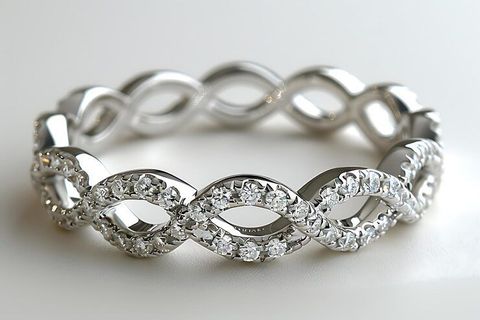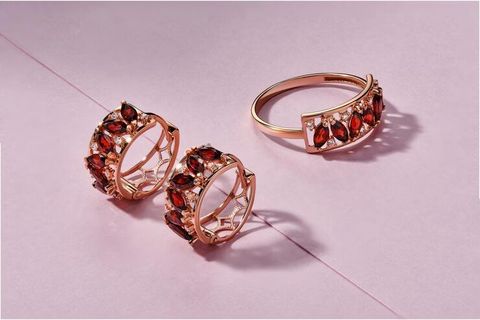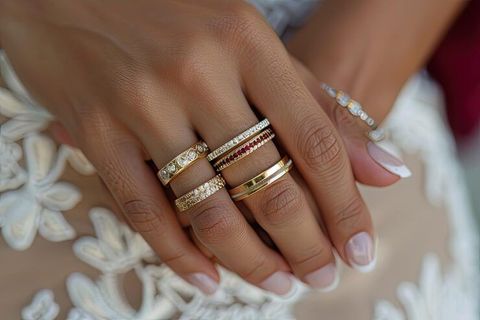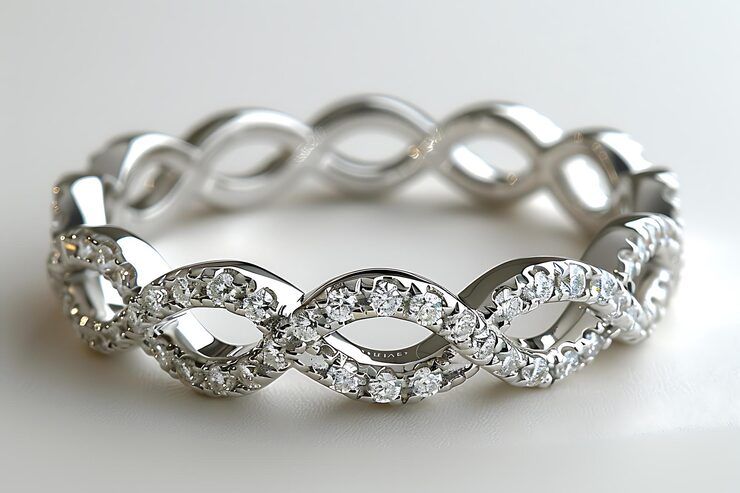
Platinum bracelets are jewelry pieces made primarily from platinum, a naturally occurring precious metal valued for its durability, density, and silvery-white appearance. They range from simple chain bracelets and solid bangles to gemstone bracelets, tennis bracelets, and detailed handcrafted designs.
Platinum has a long history in jewelry and is used in pieces intended for regular wear as well as special occasions. Its naturally white color makes it suitable for designs featuring diamonds and colored gemstones, while its physical properties distinguish it from other precious metals such as gold and silver.
Understanding platinum bracelets involves more than examining their appearance. Metal purity, construction, clasp design, gemstone settings, maintenance, and recognized quality standards can all influence the characteristics of an individual piece.
Understanding Platinum Purity
Platinum jewelry is usually made from an alloy containing platinum and smaller quantities of other metals. Alloying can influence hardness, manufacturing characteristics, and suitability for different jewelry designs.
Common platinum purity markings include:
950 platinum: Contains 95% platinum and 5% other metals.
900 platinum: Contains 90% platinum and 10% other metals.
850 platinum: Contains 85% platinum and 15% other metals.
The availability and legal recognition of particular fineness grades vary by country. A stamped number should be interpreted alongside applicable hallmarking requirements and supporting documentation.
Popular Platinum Bracelet Designs
Platinum bracelets come in several styles, each with different construction methods and practical characteristics.
Platinum chain bracelets consist of connected metal links. Their flexibility depends on the link pattern, thickness, and manufacturing quality.
Platinum bangles are rigid or semi-rigid bracelets that may have a solid circular structure or a hinged opening. Their shape makes fit and opening mechanisms important considerations.
Platinum tennis bracelets typically feature a continuous arrangement of diamonds or other gemstones held in individual settings. The flexibility of the bracelet and the security of each setting are important design considerations.
Platinum cuff bracelets have an open-ended shape and are often designed with a wider profile or sculptural appearance.
Gemstone platinum bracelets incorporate stones such as diamonds, sapphires, or rubies. The platinum setting provides a white-metal background that can complement different gemstone colors.
Platinum Compared With Other Jewelry Metals
Platinum and white gold can appear similar, but they differ in composition and physical behavior. White gold is an alloy of gold with other metals and may receive a rhodium coating to create a bright white surface.
Platinum is naturally white and does not require rhodium plating to maintain its basic color. However, its surface can develop fine scratches and a matte appearance through everyday use.
| Characteristic | Platinum | White Gold | Sterling Silver |
|---|---|---|---|
| Main metal | Platinum | Gold alloy | Silver alloy |
| Typical appearance | Naturally white | White, sometimes rhodium-plated | Bright silver-white |
| Common purity markings | 950, 900, 850 | 750, 585, 375 | 925 |
| Surface changes | Scratches and patina | Scratches and possible coating wear | Tarnishing |
| Relative density | High | Varies by alloy | Lower than platinum |
| Maintenance | Cleaning and occasional inspection | Cleaning and possible replating | Cleaning and tarnish management |
These characteristics are general comparisons. Actual performance depends on alloy composition, bracelet construction, surface treatment, and how the piece is worn.
Why Platinum Bracelets Matter in Fine Jewelry
Platinum bracelets are valued for their combination of appearance, material properties, and suitability for detailed jewelry construction.
Durability and Everyday Wear
Platinum is dense and generally resistant to corrosion under ordinary wearing conditions. These properties make it useful for jewelry designed to remain in regular use.
However, platinum is not scratch-proof. Repeated contact with hard surfaces can leave marks, and clasps, joints, and gemstone settings still require appropriate care.
Gemstone Security
Platinum is commonly used in jewelry featuring diamonds and other precious gemstones. Its working properties make it suitable for intricate settings when manufactured by skilled professionals.
The security of a gemstone depends on the design and condition of the setting rather than the metal alone. Regular inspection is important for tennis bracelets and other pieces containing multiple stones.
Design Versatility
Platinum can be shaped into fine links, smooth bangles, geometric cuffs, and elaborate decorative structures.
Its neutral color works with minimalist designs as well as more detailed jewelry featuring diamonds or colored gemstones.
Recent Developments and Jewelry Trends
During 2025 and 2026, fine jewelry discussions continued to emphasize personal design choices, durable materials, understated styling, and the documentation of precious-metal quality.
Minimalist Platinum Jewelry
Slim platinum chains, understated bangles, and simple geometric bracelets remain relevant within minimalist jewelry styling. These designs emphasize metal quality, proportions, and craftsmanship rather than elaborate decoration.
Their practical characteristics vary according to thickness, clasp design, and the intended frequency of wear.
Mixed-Metal Styling
Combining white metals with yellow or rose gold has remained a visible styling approach in contemporary jewelry. Platinum bracelets can be worn alongside other metal colors, although differences in hardness and surface wear may affect how pieces age when they repeatedly rub against one another.
Gemstone and Diamond Designs
Tennis bracelets and platinum bracelets featuring diamonds or colored gemstones continue to be established categories within fine jewelry.
Design considerations include stone size, setting structure, bracelet flexibility, and the security of the clasp. The appearance of a finished bracelet also depends on gemstone quality and the arrangement of the stones.
Material Traceability
Jewelry manufacturers and industry organizations have continued to discuss responsible sourcing, recycled precious metals, and supply-chain documentation. These subjects are relevant to platinum because mining, refining, and metal recovery involve environmental and material-traceability considerations.
Claims about recycled content or responsible sourcing should be supported by documentation rather than inferred from the appearance or purity marking of a bracelet.
Laws, Hallmarking, and Consumer Protection
Rules governing platinum jewelry vary across countries. Hallmarking systems can help identify precious-metal fineness and provide information about the origin or verification of a jewelry item.
Platinum Hallmarking in the United Kingdom
The United Kingdom has a statutory hallmarking framework for qualifying precious-metal articles. Platinum items within the applicable legal scope must meet the relevant requirements, subject to exemptions and specific conditions.
Hallmarks can include a sponsor's mark, a fineness mark, and an assay office mark. These marks help identify the responsible party and the declared precious-metal standard.
Jewelry Standards in the United States
In the United States, platinum jewelry markings and advertising claims are subject to applicable federal consumer-protection requirements. The Federal Trade Commission's Jewelry Guides address representations concerning precious metals, including platinum content and descriptions.
A marking such as PT950 generally indicates a platinum fineness of 950 parts per thousand, but buyers should consider the applicable rules and any accompanying documentation.
Hallmarking in India
India's Bureau of Indian Standards operates hallmarking frameworks for specified precious metals. Gold hallmarking is widely recognized, while the availability and applicable arrangements for platinum should be verified through current official standards and recognized testing facilities.
For platinum jewelry in any country, consumers should examine the purity declaration, manufacturer documentation, and relevant certification rather than assuming that all pieces follow the same marking system.
Tools and Resources for Evaluating Platinum Bracelets
Reliable information can help consumers understand metal quality, design characteristics, and care requirements.
Precious-Metal Purity Calculator
A simple purity calculation can estimate the quantity of platinum represented by a fineness grade.
For example, a bracelet containing 20 grams of a 950 platinum alloy would contain approximately 19 grams of platinum by mass, assuming the stated fineness accurately describes the entire alloy.
The calculation is:
Pure platinum content = Total alloy mass × Platinum fineness
This calculation describes metal content only. It does not establish the bracelet's overall quality, craftsmanship, or market valuation.
Official Standards and Documentation
Useful resources include:
National hallmarking and assay authorities
Precious-metal standards published by recognized standards organizations
Manufacturer specifications
Jewelry care instructions
Gemstone grading documentation
Product descriptions identifying metal fineness and alloy composition
Jewelry Inspection Checklist
Before evaluating a bracelet, consider the following:
Confirm the stated platinum purity.
Examine the clasp and connecting links.
Check gemstone settings for movement or damage.
Review the dimensions and bracelet fit.
Read care and maintenance instructions.
Keep purchase and certification documentation.
Request professional inspection when structural damage is suspected.
Frequently Asked Questions
What is the most common platinum purity used in bracelets?
Platinum 950, containing 95% platinum, is a widely used jewelry grade. Other fineness grades may also be available depending on the manufacturer and the market.
Do platinum bracelets scratch?
Yes. Platinum can develop surface scratches through normal wear. These marks do not necessarily indicate that the metal has lost its overall integrity, although deep damage or loose components should be examined professionally.
Are platinum bracelets suitable for everyday wear?
Many platinum bracelets are suitable for regular wear, provided their design matches the intended activity. Delicate chains and gemstone settings may require more care than solid, simple designs.
How should a platinum bracelet be cleaned?
For many plain platinum bracelets, gentle cleaning with lukewarm water, mild soap, and a soft brush is appropriate. Gemstone settings, treated stones, and mixed-material designs may require different methods, so manufacturer guidance should be followed.
How can platinum purity be verified?
Purity can be assessed through applicable hallmarks, manufacturer documentation, and testing by a recognized assay or precious-metal testing facility. A stamp alone should not be treated as a complete guarantee without considering the relevant verification standards.
Conclusion
Platinum bracelets combine a naturally white precious metal with a wide range of jewelry designs, from simple chains and bangles to diamond tennis bracelets and detailed gemstone settings. Their density, corrosion resistance, and suitability for fine craftsmanship make platinum an established material in the jewelry industry.
Understanding purity grades, construction quality, clasp design, gemstone security, and maintenance requirements helps explain the differences between individual bracelets. Recent styling trends also show continued interest in minimalist designs, mixed-metal combinations, gemstone settings, and responsible material sourcing.
Hallmarking and consumer-protection rules vary by country, making accurate documentation important when assessing platinum content. With appropriate care, reliable purity information, and attention to construction quality, platinum bracelets can remain useful and distinctive pieces within a fine jewelry collection.