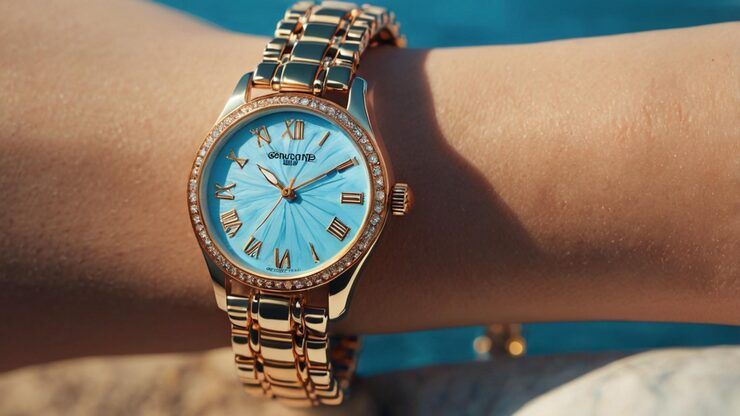
Swiss enamel watches combine traditional decorative craftsmanship with the precision engineering associated with Swiss watchmaking. Their defining feature is an enamel dial, created by applying specially formulated glass-based material to a metal surface and heating it at high temperatures until it forms a durable, smooth finish.
Enamel has been used in decorative arts and timekeeping for centuries. In watchmaking, it provides a distinctive appearance, depth of color, and a surface that can retain its visual character for generations when properly made and protected.
Swiss enamel watches can range from simple designs with clean white dials to elaborate pieces featuring miniature paintings, multiple colors, or intricate patterns. Their production requires specialized skills because enamel can crack, bubble, or become uneven during firing.
Understanding Enamel Watch Dials
Watch enamel is generally made from powdered glass combined with mineral-based colorants. The material is applied to a suitable metal base and heated in a kiln. During firing, the powder melts and forms a glass-like layer.
The process may involve several applications and firings to achieve the desired thickness, color, and surface quality. The dial must then be finished and fitted with the appropriate markings, hands, and movement components.
A key characteristic of enamel is that its appearance comes from the material itself rather than from an ordinary painted coating.
Common enamel techniques include:
Grand feu enamel: Enamel fired at high temperatures to create a smooth, durable surface.
Champlevé enamel: Recesses are formed in the metal and filled with enamel.
Cloisonné enamel: Thin metal wires create separate compartments that hold different enamel colors.
Miniature enamel painting: Fine designs are painted with enamel pigments and developed through controlled firing.
Flinqué enamel: Transparent enamel is applied over an engraved or guilloché-patterned surface.
Each technique produces a different visual effect and requires different levels of technical control.
How Swiss Enamel Watches Are Made
Producing an enamel watch dial involves a sequence of carefully controlled operations.
Preparation: The metal base is cleaned and prepared to support the enamel.
Application: Enamel powder or a prepared enamel mixture is placed on the surface. Depending on the design, multiple layers or separate colors may be needed.
Firing: The dial is heated in a kiln. Temperature, timing, material composition, and cooling conditions affect the final result.
Inspection: The dial is checked for defects such as cracks, bubbles, uneven coloration, and surface irregularities.
Finishing and assembly: Once the dial meets the required standards, it is fitted to the watch with its hands, movement, case, and other components.
Because enamel is brittle, a small defect may require the dial maker to repeat earlier stages or discard the unfinished piece. This helps explain why elaborate enamel dials can require substantial time and specialist expertise.
Why Swiss Enamel Watches Matter
Swiss enamel watches are important because they preserve a specialized craft within a modern precision-manufacturing industry. They combine materials science, artistic design, mechanical engineering, and traditional finishing techniques.
Craftsmanship and Cultural Heritage
Swiss watchmaking developed through centuries of technical innovation and skilled decorative work. Enamel dials represent a connection between contemporary timekeeping and older artistic traditions.
Unlike mass-produced dial finishes, elaborate enamel work may require repeated firing, close inspection, and the involvement of specialist artisans. Techniques such as cloisonné and miniature enamel painting also allow watchmakers to incorporate artistic subjects into functional timepieces.
Durability and Visual Characteristics
Properly fired enamel can retain its color and resist many forms of surface deterioration. Unlike some surface coatings, it does not fade simply because the underlying glass-like material ages under normal conditions.
However, enamel is brittle. A sharp impact, sudden temperature change, or accidental dropping can cause cracking or chipping. Durability therefore depends on both the quality of manufacture and how the watch is handled.
Mechanical Engineering and Decorative Design
The enamel dial is only one part of a complete watch. Swiss enamel watches may contain automatic or manually wound mechanical movements, quartz movements, and complications such as calendars or moon-phase displays.
Feature | Main Function | Important Consideration |
|---|---|---|
Enamel dial | Provides the display surface | Brittle if struck |
Mechanical movement | Measures and displays time | Requires appropriate maintenance |
Sapphire crystal | Protects the dial | Can still be damaged by severe impact |
Watch case | Houses and protects components | Material affects weight and durability |
Water-resistance system | Limits water entry | Depends on seals and construction |
A decorative dial does not automatically indicate a particular movement quality, accuracy level, or water-resistance rating. These characteristics must be evaluated separately.
Recent Developments and Trends
During 2025 and 2026, Swiss watchmaking continued to balance traditional craftsmanship with modern production methods, material research, and changing consumer preferences.
Renewed Interest in Traditional Craft
Traditional decorative techniques remain relevant in the high-end watch segment, particularly for limited-production pieces and watches featuring intricate dial designs.
Enamel remains technically demanding because firing results can vary according to material composition, temperature, and kiln conditions. Manufacturers therefore combine experienced handwork with controlled production processes to improve consistency.
Personalization and Artistic Dials
Interest in distinctive watch designs has encouraged continued attention to colored enamel, miniature painting, decorative engraving, and patterned surfaces.
These techniques allow manufacturers to create watches that differ visually from conventional metallic or printed dials. The complexity of the design, the number of colors, and the required firing stages can all influence production time.
Materials and Responsible Manufacturing
Environmental considerations have also become more prominent across Swiss watchmaking. Manufacturers increasingly examine material sourcing, production efficiency, packaging, energy use, and the long-term maintenance of finished products.
Enamel itself is a glass-based material, but the environmental footprint of a complete watch depends on the metals, movement components, manufacturing processes, transport, and packaging involved.
There is no single manufacturing method used by every Swiss watchmaker. Developments should therefore be assessed according to the practices and technical information published by each manufacturer.
Swiss Laws, Regulations, and Quality Standards
Swiss enamel watches are influenced by national rules governing the use of the Swiss Made designation, intellectual property, product representations, and general manufacturing requirements.
Swiss Made Requirements
Switzerland introduced updated rules for the Swissness framework in 2017. Under the watch-specific provisions, a watch must satisfy defined criteria before it can legally be designated Swiss Made.
These requirements include the Swiss origin of the movement, casing-up and final inspection in Switzerland, and a minimum proportion of manufacturing costs attributable to Switzerland. Under the applicable framework, at least 60% of the manufacturing costs of the watch must be generated in Switzerland, alongside other requirements.
The designation does not mean that every individual component must originate in Switzerland. Nor does it automatically establish that a dial uses enamel, that a watch is handmade, or that it meets a particular accuracy standard.
Intellectual Property and Accurate Descriptions
Watchmakers may protect distinctive designs, logos, trademarks, and certain technical innovations through applicable intellectual property laws.
Descriptions of a watch should accurately represent its materials, production methods, movement, and country of origin. Terms such as grand feu, cloisonné, and hand-painted describe different techniques and should not be treated as interchangeable.
Product Care and Maintenance
Manufacturer instructions are important when caring for enamel watches. Cleaning methods, water resistance, servicing intervals, and handling precautions vary by construction.
A watch with an enamel dial should not be assumed to be waterproof merely because its case is sealed. Water resistance and impact resistance are separate properties.
Tools and Resources for Understanding Swiss Enamel Watches
Several resources can help readers understand watchmaking techniques, verify product specifications, and learn about traditional craftsmanship.
Swiss Watch Industry Resources
Industry organizations and Swiss watchmaking institutions publish information about manufacturing standards, horological history, technical terminology, and the Swiss Made designation.
These resources are useful for distinguishing country-of-origin requirements from claims about craftsmanship or component quality.
Watch Specification Guides
When researching a Swiss enamel watch, examine the manufacturer's published technical details, including:
Dial material and enamel technique
Movement type and movement origin
Case material and dimensions
Crystal material
Water-resistance rating
Power reserve, where applicable
Warranty and maintenance guidance
Country-of-origin designation
Horology and Conservation Resources
Horology museums and specialist publications explain historical enamel techniques, decorative dial construction, and mechanical watch development.
For antique watches, a qualified watchmaker or conservation specialist can help assess dial condition and identify appropriate preservation methods. Original enamel should not be polished or treated like an ordinary metal surface.
Frequently Asked Questions
What makes a Swiss enamel watch different from a regular watch?
Its dial uses a glass-based enamel material rather than relying solely on conventional paint, printing, or surface coatings. Swiss enamel watches may also combine this decorative technique with mechanical movements and traditional finishing.
Is grand feu enamel durable?
Grand feu enamel can remain visually stable for many years when correctly produced and protected. However, it is brittle and may crack or chip after an impact. Durability depends on manufacturing quality and careful handling.
Are all Swiss Made watches enamel watches?
No. Swiss Made describes a watch's compliance with Swiss origin requirements. It does not specify the dial material or require enamel craftsmanship.
What is the difference between cloisonné and grand feu enamel?
Grand feu refers to high-temperature enamel firing, while cloisonné describes a technique in which thin metal wires separate areas of enamel color. A cloisonné dial may also undergo high-temperature firing, so the terms describe different aspects of the process.
How should an enamel watch be maintained?
Follow the manufacturer's cleaning and maintenance instructions, protect the watch from sharp impacts and sudden temperature changes, and have its movement inspected when appropriate. Avoid abrasive cleaning products and do not assume the watch is water-resistant without checking its specifications.
Conclusion
Swiss enamel watches combine decorative artistry with the engineering traditions of Swiss horology. Their glass-like dials can display rich colors, intricate patterns, and detailed miniature artwork, while the production process requires careful control of application, firing, inspection, and finishing.
Developments in 2025 and 2026 demonstrate the continuing relevance of traditional craftsmanship alongside modern manufacturing methods and greater attention to responsible production. Swiss Made regulations also provide a defined framework for country-of-origin claims, although the designation alone does not guarantee a particular dial technique or performance level.
Understanding enamel techniques, movement specifications, manufacturing standards, and maintenance requirements helps readers evaluate these watches more accurately. Their lasting significance lies in the combination of material science, precision timekeeping, and artistic skill.