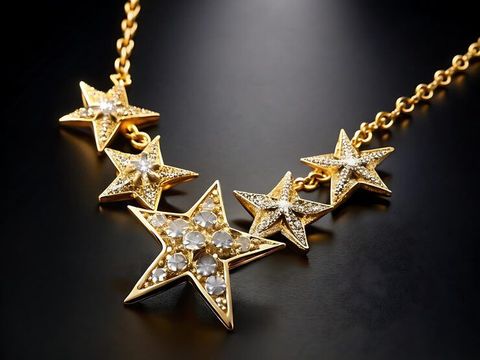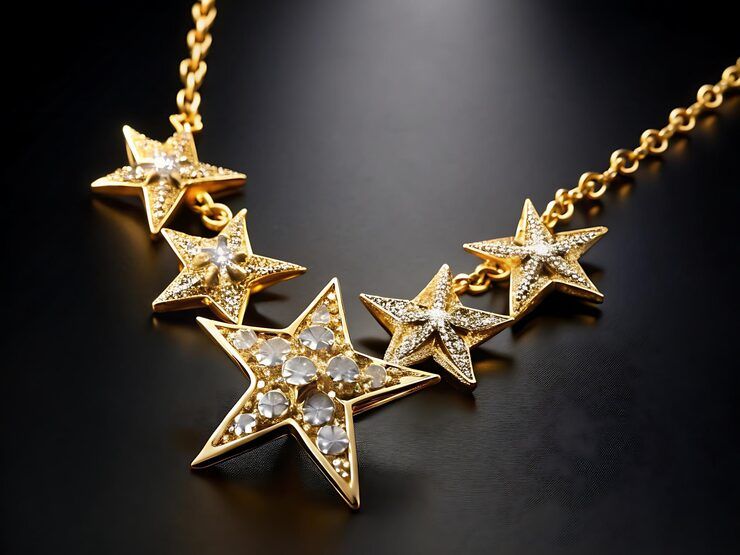
Star-themed jewellery is inspired by stars, constellations, celestial patterns, and the wider night sky. These designs appear in necklaces, earrings, rings, bracelets, brooches, and other accessories. Depending on the design, the star motif may be a simple geometric shape, a detailed astronomical illustration, or a decorative arrangement featuring gemstones and precious metals.
Star jewellery has a long cultural history. Stars have appeared in decorative arts, religious imagery, navigation symbols, and personal ornaments across different societies. In contemporary jewellery design, celestial motifs are used for their visual appeal and their associations with exploration, guidance, ambition, remembrance, and individuality.
Modern star-themed jewellery ranges from minimalist everyday pieces to elaborate designs featuring diamonds, coloured gemstones, enamel, and intricate metalwork. Understanding the materials, construction, symbolism, and care requirements helps explain the differences between these styles.
Understanding Star-Themed Jewellery Designs
Star motifs can be interpreted in many ways. A five-pointed star often appears in geometric jewellery, while eight-pointed stars, celestial clusters, and constellation patterns create more detailed visual arrangements.
Some designs use a raised metal outline, while others feature a solid star-shaped pendant or a gemstone positioned at the center. Small stars can also appear as repeating elements across a bracelet, necklace, or pair of earrings.
Common design categories include:
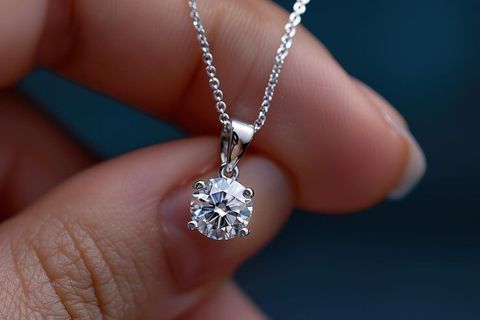
Star pendant necklaces: Feature one or more stars suspended from a chain.
Diamond star earrings: Use diamonds or other stones to create a sparkling star shape.
Celestial rings: Combine star motifs with moons, planets, or constellation patterns.
Star charm bracelets: Incorporate individual star-shaped decorative elements.
Constellation jewellery: Represents recognizable star arrangements associated with astronomical constellations.
Enamel star jewellery: Uses coloured enamel to create contrast and decorative detail.
Layered celestial necklaces: Combine several chains, pendants, and celestial symbols.
Each style has different construction requirements. Small, lightweight designs may use simple metalwork, while gemstone-set pieces require additional attention to stone placement, security, and durability.
Materials Used in Star Jewellery
The material influences a piece's appearance, durability, maintenance, and suitability for different occasions.
Gold is commonly used in fine jewellery because it can be shaped into detailed forms and combined with gemstones. Sterling silver provides a different appearance and can be used for both polished and oxidized finishes.
Platinum is another precious metal used in jewellery, particularly in designs that require a durable setting. Stainless steel and other metals are also used in contemporary fashion jewellery.
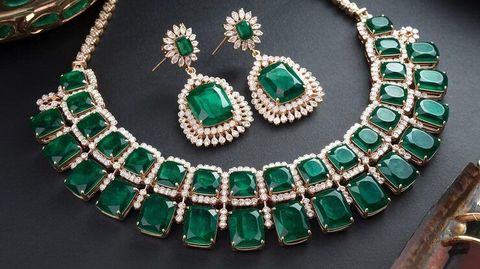
Gemstones add colour, texture, and contrast. Diamonds are commonly associated with sparkling celestial designs, while sapphires, rubies, emeralds, and other coloured stones can create different visual effects.
Why Star-Themed Jewellery Matters
Star-themed jewellery combines decorative design with personal meaning. Its appeal comes from the flexibility of the motif, which can be adapted to different materials, styles, age groups, and cultural contexts.
Personal Expression and Symbolism
Stars have different meanings across cultures and personal traditions. They can represent navigation, hope, achievement, memory, or an interest in astronomy.
However, symbolism is not universal. A star may have a particular meaning in one cultural or religious context and function simply as a decorative shape in another.
People may choose celestial jewellery to reflect a personal interest, commemorate an event, or complement an individual style.
Versatility Across Jewellery Categories
The star motif can be adapted to both subtle and elaborate designs.
Small star studs may suit everyday wear, while larger pendants or gemstone-set pieces can form the central feature of an outfit. Repeating stars can create a coordinated appearance across earrings, bracelets, and necklaces.
This versatility makes the motif relevant to jewellery design, fashion styling, gift planning, and personal collections.
Craftsmanship and Material Quality
The visual quality of star jewellery depends on more than the shape. Proportion, symmetry, surface finishing, gemstone placement, and the strength of connecting components can affect its appearance and longevity.
Important details to examine include:
Smooth and well-finished edges
Secure gemstone settings
Strong necklace clasps
Evenly aligned decorative elements
Clearly identified metal composition
Appropriate construction for the intended use
These considerations are particularly important for pieces with thin star points or small projecting elements that may catch on clothing.
Comparing Common Materials
| Material | Appearance | Main Care Consideration |
|---|---|---|
| Yellow gold | Warm metallic finish | Avoid scratches and harsh chemicals |
| White gold | Light-coloured metallic finish | Check whether periodic replating is needed |
| Sterling silver | Bright or oxidized finish | Tarnish prevention and gentle cleaning |
| Platinum | Naturally light-coloured metal | Professional inspection of settings |
| Stainless steel | Contemporary metallic appearance | Clean regularly and check surface damage |
| Diamonds | Transparent brilliance | Inspect settings and avoid hard impacts |
| Coloured gemstones | Varied colours and effects | Care depends on the specific gemstone |
Material suitability depends on alloy composition, workmanship, wear patterns, and the characteristics of any gemstones.
Recent Trends and Developments
Celestial motifs remain a recurring theme in jewellery design. During 2025 and 2026, industry coverage and seasonal collections continued to feature stars, moons, zodiac symbols, and astronomical imagery.
Celestial Jewellery and Personalization
Recent design approaches include combining small star motifs with initials, birthstones, engraved dates, and constellation patterns. These elements allow jewellery to reflect personal preferences without changing the basic celestial theme.
Minimalist star necklaces and small earrings coexist with more detailed pieces featuring multiple gemstones, textured metal surfaces, or layered celestial symbols.
Mixed Metals and Gemstone Combinations
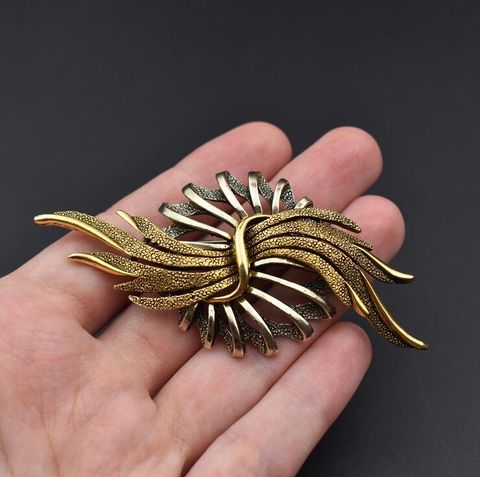
Contemporary jewellery design also incorporates contrasting materials. Yellow gold and white metals can be combined to create visual separation between the star outline and its decorative details.
Coloured gemstones can introduce additional contrast, while diamonds may be used as central accents or along the points of a star.
The suitability of these combinations depends on design preferences, metal compatibility, setting quality, and the intended use of the jewellery.
Digital Jewellery Design
Computer-aided design has become an important tool in modern jewellery production. Designers can create digital models of star pendants, inspect proportions, and test how gemstones fit within a setting before manufacturing begins.
Three-dimensional printing can also support prototype development and the production of detailed casting patterns. These technologies can improve design precision, although final quality still depends on materials, finishing, and manufacturing standards.
Responsible Material Sourcing
Jewellery manufacturers and consumers are paying greater attention to the origin of precious metals and gemstones. Recycled metals, documented supply chains, and responsible sourcing programs are increasingly relevant to discussions about jewellery production.
The environmental and social effects of a particular piece depend on its materials, manufacturing process, transportation, and supply chain. Sustainability claims should therefore be supported by clear documentation rather than general marketing language.
Laws, Standards, and Consumer Protection
Jewellery regulations differ between countries. They can cover precious-metal purity, gemstone descriptions, product labeling, origin claims, and the accuracy of advertising.
Precious-Metal Hallmarking
Hallmarking systems help identify the purity of precious metals. In countries such as the United Kingdom, recognized hallmarking arrangements provide information about the metal standard and the organization responsible for hallmarking.
In India, the Bureau of Indian Standards administers the hallmarking framework for covered gold jewellery and related articles. Buyers and jewellery professionals can consult official guidance to understand applicable hallmarking requirements and purity identification.
Requirements vary by product category and jurisdiction, so a particular piece should be assessed according to the rules that apply where it is manufactured or sold.
Diamond and Gemstone Descriptions
Diamond and gemstone descriptions should accurately represent the material being used. Natural diamonds, laboratory-grown diamonds, simulants, and imitation stones are different categories and should not be described interchangeably.
Gemstone reports from recognized gemological laboratories can provide information about characteristics and identification. Such reports should be reviewed alongside the actual item and its documentation.
Advertising Accuracy
Jewellery advertising should use accurate descriptions of metal purity, gemstone identity, dimensions, and other material characteristics. Claims about rarity, sustainability, origin, and durability should be supported by appropriate evidence.
Clear descriptions help consumers distinguish between precious-metal jewellery, plated pieces, laboratory-grown gemstones, and fashion accessories.
Tools and Resources for Star Jewellery
Several resources can help with jewellery research, design development, material identification, and maintenance.
Gemological Information
Gemological institutes publish educational material about diamonds, coloured gemstones, grading terminology, treatments, and gemstone identification.
These resources can help readers understand the differences between natural and laboratory-grown stones and why gemstone characteristics influence appearance and care requirements.
Jewellery Design Software
Computer-aided design applications allow jewellery designers to create digital models, examine proportions, and develop setting layouts.
Three-dimensional modeling can be particularly useful for star designs because thin points, repeated patterns, and small gemstone settings require careful attention to geometry.
Metal Purity and Hallmarking Resources
Official hallmarking authorities provide information about metal fineness, identification marks, testing, and applicable regulations.
These resources are useful when researching gold, silver, platinum, or other precious-metal jewellery.
Jewellery Care Checklist
Regular inspection can help preserve the condition of star-themed jewellery.
Check clasps and connecting rings.
Examine gemstone settings for movement.
Store pieces separately to reduce scratching.
Remove jewellery before activities that may cause impact.
Follow care instructions for the specific metal and gemstone.
Seek professional inspection when a setting appears loose.
Avoid cleaning chemicals that may damage stones, coatings, or finishes.
Some gemstones are sensitive to heat, chemicals, or sudden temperature changes. A single cleaning method should not be assumed suitable for every jewellery material.
Frequently Asked Questions
What is star-themed jewellery?
Star-themed jewellery includes necklaces, earrings, rings, bracelets, and other ornaments featuring star shapes, constellations, or related celestial imagery. Designs range from simple geometric pieces to detailed gemstone arrangements.
Which materials are commonly used in star jewellery?
Common materials include gold, sterling silver, platinum, stainless steel, diamonds, coloured gemstones, enamel, and other decorative materials. The choice depends on the intended appearance, durability, construction, and maintenance requirements.
What do stars symbolize in jewellery?
Stars can represent guidance, hope, ambition, remembrance, achievement, or an interest in astronomy. Their meaning varies between cultures and individuals, and some designs are purely decorative.
How can the quality of star jewellery be evaluated?
Examine the metal description, construction, finishing, clasp strength, and gemstone settings. For precious-metal pieces, check applicable hallmarking information. For significant gemstones, relevant gemological documentation can provide additional information.
How should star-themed jewellery be maintained?
Store pieces separately, clean them according to their material requirements, and inspect clasps and settings regularly. Avoid harsh chemicals and impacts, especially when jewellery contains delicate points or fragile gemstones.
Conclusion
Star-themed jewellery combines celestial imagery with a wide range of materials, craftsmanship techniques, and personal interpretations. Its designs can be minimalist or elaborate, featuring simple metal outlines, diamonds, coloured gemstones, enamel, and constellation-inspired details.
Recent design developments have continued to explore personalization, mixed metals, digital modeling, and responsible material sourcing. At the same time, metal purity identification, accurate gemstone descriptions, and appropriate care remain important considerations.
Understanding the materials, construction, symbolism, and applicable consumer-protection standards provides a clearer foundation for evaluating star jewellery. Whether a piece is intended for everyday wear, a personal collection, or a meaningful occasion, its long-term quality depends on sound design, suitable materials, careful workmanship, and proper maintenance.