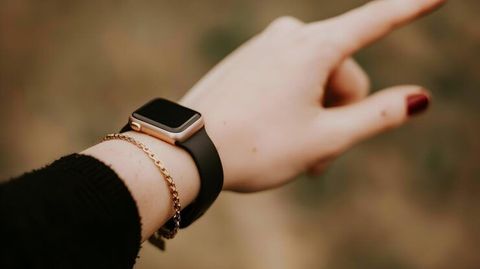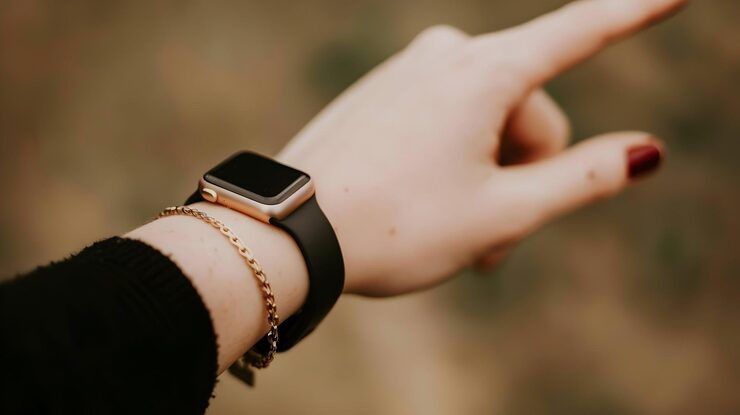
Smartwatch jewellery bands combine the practical features of wearable technology with the appearance of traditional jewellery. They allow people to personalize smartwatches using decorative bracelets, polished metal links, gemstone-inspired details, refined finishes, and designs that resemble conventional wrist accessories.
As smartwatches have become part of everyday clothing, their appearance has gained importance alongside battery life, health tracking, notifications, and connectivity. Jewellery-inspired bands address the desire to use one device across different settings, including workplaces, social gatherings, formal events, and everyday activities.
These bands are available in various materials and styles. Some resemble classic metal watch bracelets, while others incorporate decorative elements such as crystals, patterned links, pearl-like accents, or mixed-metal finishes. Their suitability depends on device compatibility, wrist comfort, durability, and the intended use.
Understanding Smartwatch Jewellery Bands
A smartwatch jewellery band replaces the standard strap with a decorative or jewellery-inspired alternative. The basic purpose remains the same: to secure the device to the wrist while changing its overall appearance.
Designs range from understated stainless-steel bracelets to elaborate accessories with decorative stones and adjustable chain links.
Common styles include:
Metal link bracelets: Traditional watch-style bands made from stainless steel or other metals.
Mesh bands: Fine woven metal designs with a lightweight appearance.
Chain-link bands: Bracelet-inspired arrangements of connected decorative links.
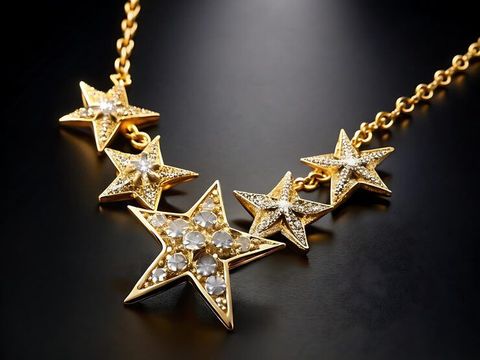
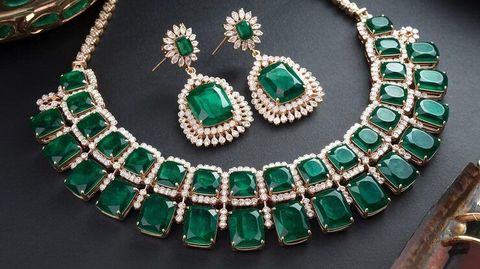
Crystal-accented bands: Designs featuring glass crystals or other decorative elements.
Pearl-inspired bands: Accessories incorporating pearl-like beads or similar details.
Mixed-material bands: Combinations of metal, silicone, leather, and decorative components.
Minimalist jewellery bands: Simple designs intended to complement formal and everyday clothing.
Some bands are designed specifically for particular smartwatch models, while others use interchangeable connectors or adjustable attachment systems.
Materials and Construction
Material selection affects appearance, weight, durability, comfort, and maintenance requirements.
Stainless steel is commonly used because it provides a polished appearance and generally resists corrosion under normal conditions. Titanium can provide a lighter alternative, while silicone and flexible polymers are often suitable for active use.
Decorative materials require additional consideration. Plating can wear with repeated friction, while adhesives and decorative settings may deteriorate when exposed to moisture, cosmetics, or cleaning chemicals.
The quality of the connector is also important. A decorative band must hold the smartwatch securely without placing excessive pressure on its attachment points.
Why Smartwatch Jewellery Bands Matter
Smartwatch jewellery bands reflect the growing connection between personal technology, fashion, and everyday convenience.
Combining Technology and Personal Style
A smartwatch can function as a fitness tracker, communication device, digital assistant, and timekeeping accessory. A jewellery-inspired band allows the same device to complement different clothing styles without changing the watch itself.
For example, a simple metal bracelet may suit professional clothing, while a crystal-accented design may be more appropriate for a formal gathering.
Everyday Versatility
Interchangeable bands can help users adapt their devices to different activities.
Metal bracelets can complement office or formal clothing.
Lightweight silicone bands can suit exercise and outdoor activities.
Mesh bands can provide a refined appearance with adjustable sizing.
Decorative chain designs can create a more jewellery-focused look.
However, decorative bands are not automatically suitable for swimming, high-intensity exercise, or prolonged exposure to sweat. Their construction and material specifications should determine their intended use.
Comfort and Skin Contact
A smartwatch band remains in contact with the skin for extended periods, making comfort an important consideration.
Metal edges, heavy decorative elements, tight clasps, and poorly adjusted links can cause discomfort. Some people may also experience skin irritation from particular metals, coatings, adhesives, or accumulated moisture.
A suitable band should allow enough room for comfortable movement while keeping the smartwatch securely positioned.
Comparing Common Materials
| Material | Main Characteristics | Important Considerations |
|---|---|---|
| Stainless steel | Durable, polished appearance | Weight and potential metal sensitivity |
| Titanium | Lightweight, corrosion-resistant | Surface finish and connector compatibility |
| Silicone | Flexible and easy to clean | May retain moisture against the skin |
| Leather | Classic, traditional appearance | Moisture sensitivity and maintenance |
| Metal mesh | Fine, adjustable structure | Possible snagging and clasp wear |
| Decorative crystals | Jewellery-inspired appearance | Setting durability and cleaning requirements |
Recent Trends and Developments
During 2025 and 2026, wearable technology continued to develop alongside fashion-oriented accessories. The broader trend involves making smartwatches adaptable to personal style while maintaining their technical functions.
Fashion-Oriented Wearable Technology
Smartwatches increasingly appear in settings traditionally associated with conventional watches and jewellery. This has encouraged interest in metal bracelets, refined finishes, neutral colours, and accessories that integrate with formal clothing.
Design approaches include slim profiles, mixed-metal details, minimalist links, and decorative elements that do not overwhelm the watch display.
These are broader fashion trends rather than evidence that every jewellery-band category has experienced the same level of growth.
Interchangeable Designs and Compatibility
Interchangeable bands remain an important feature of the smartwatch accessory market. Standardized connector widths can make replacement easier, but compatibility is not universal.
Different smartwatch generations may use different attachment mechanisms, case dimensions, and lug designs. Even bands with similar widths may not fit securely if their connectors are shaped differently.
Consumers should therefore verify the exact device model and attachment requirements before selecting an alternative band.
Materials and Durability
Interest in lightweight metals, recycled materials, and longer-lasting accessories has also influenced wearable product design.
Material selection can reduce unnecessary weight or improve durability, but environmental benefits depend on manufacturing processes, material sourcing, product lifespan, and end-of-life management.
Decorative bands also need to balance appearance with practical requirements, including secure clasps, reliable connectors, and resistance to normal wear.
Personalization and Digital Accessories
Smartwatch customization extends beyond physical bands. Watch faces, digital complications, display colours, and notification settings can be adjusted to complement a particular style.
Combining these settings with a jewellery-inspired band allows users to coordinate the appearance of the device without changing its core functionality.
Laws, Regulations, and Consumer Protection
Smartwatch jewellery bands are affected by product-safety requirements, chemical restrictions, consumer-protection rules, and material-disclosure obligations. The applicable requirements depend on the country where the product is manufactured, distributed, or used.
Product Safety and Materials
In the European Union, the General Product Safety Regulation, Regulation (EU) 2023/988, has applied since December 13, 2024, establishing safety obligations for consumer products within its scope.
Chemical restrictions may also apply under the REACH framework. Requirements relevant to jewellery and skin-contact accessories can include restrictions on certain substances, such as nickel release in specified applications.
Manufacturers and distributors should evaluate the materials used in metal components, coatings, adhesives, and decorative elements according to the applicable rules.
United States Consumer Protection
In the United States, consumer product requirements depend on the product category and the risks involved. The Consumer Product Safety Commission administers relevant federal consumer-product safety laws and regulations.
Accurate product descriptions, appropriate safety information, and compliance with applicable material restrictions are important when decorative accessories are distributed to consumers.
Privacy and Health Data
A jewellery band itself does not normally collect health information. However, the smartwatch attached to it may record activity, heart rate, sleep information, location, or other personal data.
Privacy obligations therefore depend largely on the smartwatch, its applications, and how data is collected and processed. Users should review device privacy settings and application permissions separately from the physical accessory.
Tools and Resources for Choosing Smartwatch Jewellery Bands
Several practical tools can help users evaluate compatibility, comfort, and material suitability.
Device Compatibility Guides
The smartwatch manufacturer's documentation is a useful starting point for identifying:
Exact watch model and generation
Case size
Connector type
Compatible band width
Attachment mechanism
Manufacturer-specific restrictions
A band should fit securely without obstructing sensors, buttons, charging arrangements, or other device functions.
Wrist Measurement
A flexible measuring tape can help determine wrist circumference. Some manufacturers also provide printable sizing guides or instructions for measuring a bracelet.
When selecting a metal link band, check whether links can be removed or adjusted. For chain designs, verify the available adjustment range and clasp security.
Material and Care Information
Material documentation can clarify whether the band contains stainless steel, titanium, plating, leather, silicone, or decorative stones.
Useful information includes:
Water-resistance limitations
Cleaning instructions
Metal composition
Skin-contact warnings
Clasp and connector design
Warranty and maintenance terms
Smartwatch Customization Tools
Official companion applications can help users change watch faces, display settings, and complications to complement their selected band.
These applications are generally separate from the physical accessory and may differ between smartwatch brands and operating systems.
Frequently Asked Questions
What are smartwatch jewellery bands?
Smartwatch jewellery bands are replacement straps or bracelets designed to give smartwatches a decorative appearance. They may use metal links, mesh, crystals, pearl-inspired details, or mixed materials while securing the device to the wrist.
Are jewellery-inspired smartwatch bands compatible with every smartwatch?
No. Compatibility depends on the watch model, case size, connector design, and attachment mechanism. Always verify the exact model and manufacturer's specifications before selecting a band.
Which material is suitable for everyday use?
Stainless steel and titanium can be suitable for everyday wear, while silicone may be more appropriate for activities involving sweat or frequent washing. The best choice depends on comfort, material sensitivity, construction, and the manufacturer's care instructions.
Can smartwatch jewellery bands be worn during exercise?
Some can, but decorative metal or crystal-accented bands may be heavy, less flexible, or more difficult to clean. For exercise, a secure, lightweight, sweat-resistant band is generally more practical unless the manufacturer specifies otherwise.
How should a smartwatch jewellery band be maintained?
Follow the manufacturer's cleaning instructions, remove accumulated dirt, dry the band after moisture exposure, and inspect the clasp and connectors regularly. Avoid harsh chemicals that may damage plating, adhesives, leather, or decorative components.
Conclusion
Smartwatch jewellery bands bring together wearable technology, personal style, and traditional bracelet design. Metal links, mesh structures, decorative crystals, and mixed-material combinations allow users to adapt the appearance of their smartwatches to different settings.
Choosing a suitable band requires more than considering its appearance. Compatibility, weight, skin comfort, clasp security, material quality, and maintenance requirements all influence long-term usability.
Developments in wearable technology and fashion continue to encourage personalization, while product-safety regulations and material requirements remain important considerations. By checking device specifications, understanding material characteristics, and following appropriate care instructions, users can select jewellery-inspired smartwatch bands that balance appearance with practical everyday use.