Electronic Component Suppliers play an important role in manufacturing, electronics development, and industrial production. Choosing an appropriate supplier involves evaluating product authenticity, technical specifications, inventory availability, and supply chain transparency. Many businesses search for reliable sourcing options to maintain consistent production and avoid component-related problems. Understanding the evaluation process helps procurement teams make informed decisions.
Key Takeaways
Verify component authenticity through manufacturer documentation and traceability records.
Compare supplier capabilities, inventory availability, and delivery arrangements.
Review quality certifications and applicable regulatory requirements before procurement.
Evaluate technical knowledge and communication throughout the sourcing process.
Related Searches
How to choose reliable electronic component suppliers
What to check before selecting an electronics distributor
Authorized vs independent electronic component suppliers
How to identify counterfeit electronic components
What certifications should electronic component suppliers have?
Electronic component sourcing explained for manufacturers
In This Guide
Understanding Electronic Component Suppliers
Why Choosing the Right Supplier Matters
Recent Trends in Electronic Component Supply Chains
Indian Laws and Policies for Electronic Components
Comparison of Different Supplier Types
Tools and Resources for Supplier Evaluation
Frequently Asked Questions
Understanding Electronic Component Suppliers
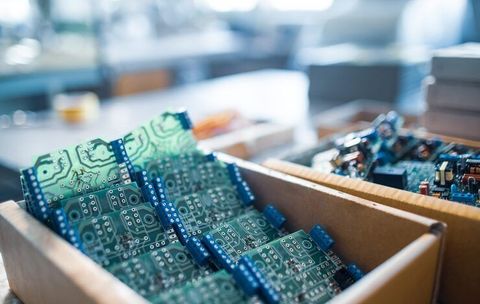
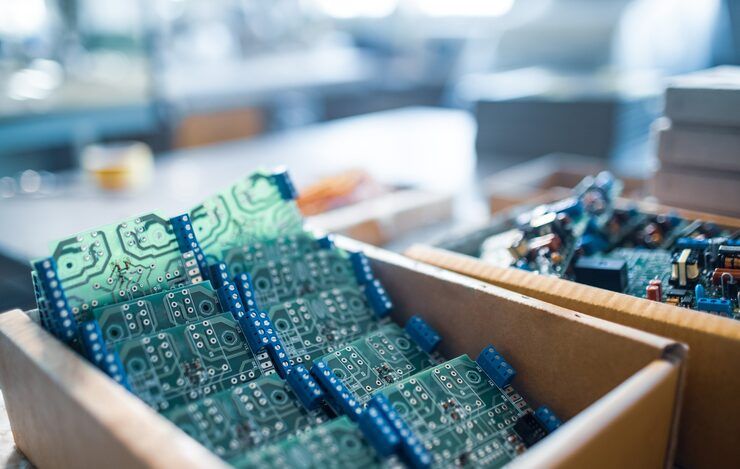
Electronic components are individual parts used to construct electrical and electronic equipment. They include resistors, capacitors, integrated circuits, connectors, transistors, sensors, diodes, and semiconductor devices. These components are used in products ranging from household appliances and communication equipment to industrial machinery and automotive electronics.
Electronic Component Suppliers connect manufacturers with the components required for production and development. They operate through different distribution channels, including original component manufacturers, authorized distributors, independent distributors, and specialized electronic parts distributors.
The electronic distribution industry developed alongside the expansion of electronics manufacturing. As electronic products became more complex, manufacturers required organized supply networks to obtain components in different quantities and technical specifications.
What Do Electronic Component Suppliers Actually Provide?
Their primary responsibility involves supplying electronic parts that match specified technical requirements. Depending on their business model, suppliers may also maintain inventory records, provide product documentation, coordinate deliveries, and communicate component availability.
Common component categories include:
Passive components: Resistors, capacitors, and inductors used in electrical circuits.
Semiconductors: Integrated circuits, microprocessors, diodes, and transistors.
Electromechanical components: Relays, switches, connectors, and terminal blocks.
Sensors: Temperature, pressure, motion, and proximity detection devices.
Power components: Power modules, voltage regulators, and switching devices.
Understanding these categories helps manufacturers identify suppliers that handle the specific components required for their applications.
Why Choosing the Right Supplier Matters
Electronic components directly influence equipment performance, product reliability, and manufacturing continuity. A component that does not match its required electrical characteristics can create circuit failures, overheating, communication problems, or unexpected equipment interruptions.
Supplier selection also affects how consistently manufacturers receive components. Production facilities often depend on multiple electronic parts, and a shortage of even one essential component can interrupt an entire assembly process.
How Does Supplier Selection Affect Product Quality?
Component authenticity and specification accuracy are important considerations during procurement. Counterfeit or incorrectly identified components may not meet the original manufacturer's electrical and mechanical requirements.
Manufacturers should examine:
Original manufacturer identification and complete part numbers.
Available certificates of conformity and product documentation.
Lot numbers, date codes, and packaging information.
Quality management procedures and inspection records.
Storage conditions and handling arrangements.
These checks help identify potential problems before components enter production.
Why Is Supply Chain Reliability Important?
Electronic component availability can change because of semiconductor shortages, transportation interruptions, manufacturing capacity, and changing market demand.
A supplier with clear inventory information and established sourcing arrangements can help manufacturers understand possible delays. Communication about discontinued products and changing delivery schedules is also important for long-term production planning.
Recent Trends in Electronic Component Supply Chains
Electronic component distribution continues to change as manufacturers introduce new technologies and adjust their procurement strategies. Several developments between 2024 and 2026 have influenced how companies evaluate suppliers and manage component availability.
Growing Interest in Supply Chain Visibility
Manufacturers increasingly examine where components originate and how they move through distribution networks. Traceability records, inventory information, and manufacturer identification have become important parts of supplier evaluation.
Digital inventory systems also help procurement teams monitor component quantities and identify potential shortages earlier.
Expansion of Semiconductor Applications
Artificial intelligence computing, electric vehicles, industrial automation, and connected devices have increased demand for specialized semiconductor components.
These applications require different processing capabilities, power characteristics, and communication technologies. Consequently, manufacturers often need suppliers familiar with specific component categories.
Greater Attention to Counterfeit Prevention
Counterfeit electronic components remain a supply chain concern, particularly when sourcing discontinued or difficult-to-obtain products.
Manufacturers increasingly examine supplier verification procedures, documentation, physical inspection, and appropriate laboratory testing. Authorized distribution channels remain an important consideration for reducing sourcing uncertainty.
Digital Procurement and Inventory Management
Electronic procurement platforms and component databases are becoming more common in manufacturing operations. These systems help teams compare technical specifications, monitor inventory, organize procurement records, and identify alternative components.
Indian Laws and Policies for Electronic Components
Electronic component procurement and electronics manufacturing in India involve several regulatory frameworks. Their applicability depends on the component category, intended application, manufacturing activity, and whether products are imported or placed on the Indian market.
What Does BIS Registration Mean?
The Bureau of Indian Standards (BIS) administers product certification and compulsory registration requirements for notified product categories.
Under the Compulsory Registration Order (CRO), certain electronics and information technology products must meet applicable Indian standards and obtain registration before being placed on the Indian market.
Not every individual electronic component automatically falls under the same registration requirement. Manufacturers and importers should verify whether their particular product category appears in the relevant notification.
Understanding India's E-Waste Management Rules
The Ministry of Environment, Forest and Climate Change introduced the E-Waste (Management) Rules, 2022, which established an extended producer responsibility framework.
These rules cover specified electrical and electronic equipment and establish responsibilities for producers, manufacturers, refurbishers, and recyclers within their respective roles.
Electronic component suppliers should understand whether their activities involve products or operations covered by these requirements.
Additional Regulatory Considerations
Depending on the product and business activity, relevant considerations may include:
MeitY: Electronic and information technology product notifications and related requirements.
BIS: Applicable Indian standards and compulsory registration.
DGFT: Import and export requirements under India's foreign trade framework.
RoHS: Restrictions on certain hazardous substances in applicable electrical and electronic equipment.
Regulatory requirements should be checked against the latest official notifications before procurement or distribution.
Comparison of Different Electronic Component Supplier Types
Electronic Component Suppliers operate through several distribution models. Each has different characteristics regarding sourcing, documentation, inventory, and product availability.
Supplier type | Main characteristics | Important considerations |
|---|---|---|
Original manufacturer | Produces components directly | Product specifications and original documentation |
Authorized distributor | Distributes manufacturer-approved products | Authorization and traceability |
Independent distributor | Sources components through various channels | Inventory origin and authenticity checks |
Specialist distributor | Focuses on particular component categories | Technical knowledge and product range |
Online distributor | Provides digital product catalogues and ordering systems | Stock accuracy and documentation |
Authorized vs Independent Distributors: What Is the Difference?
Authorized distributors operate with manufacturer approval for specified product categories or regions. Their distribution arrangements generally provide a clearer connection to the original manufacturer.
Independent distributors obtain components through different commercial channels, including excess inventory and secondary markets. They may be relevant when particular components are discontinued or unavailable through normal distribution channels.
The appropriate channel depends on product availability, application requirements, documentation, and the level of traceability needed.
Tools and Resources for Supplier Evaluation
Several digital resources help manufacturers and procurement teams examine component specifications and supplier information.
Electronic Component Databases
Platforms such as Octopart, Findchips, and SiliconExpert provide electronic component information. Depending on their available features, users can examine manufacturer part numbers, technical specifications, lifecycle information, and distribution availability.
Manufacturer Websites
Original manufacturer websites contain important technical documents, including:
Product datasheets.
Component lifecycle notifications.
Application notes.
Technical specifications.
Product change notifications.
These documents help confirm whether a component matches the intended application.
Supplier Evaluation Checklist
A structured checklist helps procurement teams assess potential suppliers consistently.
Evaluation area | What to examine |
|---|---|
Company identity | Registration and business information |
Product authenticity | Manufacturer identification and documentation |
Technical knowledge | Understanding of component specifications |
Inventory | Available quantity and stock condition |
Traceability | Lot numbers and source documentation |
Quality management | Relevant certifications and inspection procedures |
Delivery | Shipping arrangements and estimated timelines |
Communication | Clarity of technical and procurement information |
Keeping these records makes supplier comparisons more organized and supports future procurement decisions.
Frequently Asked Questions
How Do I Choose Electronic Component Suppliers?
Examine manufacturer authorization, product authenticity, technical knowledge, inventory availability, documentation, and delivery arrangements. Evaluate these factors according to the intended application.
What Certifications Should Electronic Component Suppliers Have?
ISO 9001 indicates a quality management system. Other relevant credentials depend on the supplier's distribution activities, industry, and customer requirements.
Are Authorized Electronic Component Suppliers Different From Independent Distributors?
Yes. Authorized distributors have manufacturer-approved distribution arrangements, while independent distributors source components through different commercial channels.
How Can I Identify Counterfeit Electronic Components?
Examine manufacturer markings, packaging, lot information, traceability documents, and electrical characteristics. Additional laboratory testing may be appropriate for higher-risk components.
Why Is Component Traceability Important?
Traceability helps establish a component's origin and distribution history. It also supports quality investigations, inventory management, and regulatory documentation.
Conclusion
Choosing electronic component suppliers requires careful consideration of authenticity, technical specifications, inventory, and supply chain transparency. Different distribution models have different characteristics, making supplier evaluation important for manufacturers and procurement teams. Indian regulatory requirements, quality documentation, and component traceability also influence sourcing decisions. A structured evaluation process provides a clear basis for understanding supplier capabilities and procurement requirements.