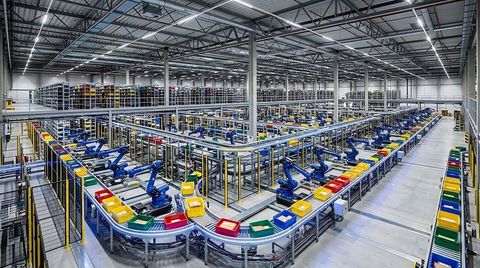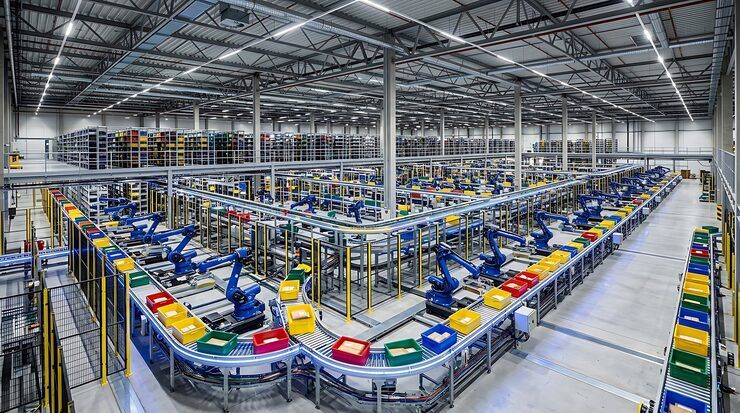
Industrial Processing Units in China play an important role in global manufacturing, production, and industrial supply chains. These facilities produce machinery and equipment used in industries such as food processing, chemicals, textiles, metals, and pharmaceuticals. Businesses researching Chinese industrial equipment often want to understand manufacturing capabilities, processing technologies, quality standards, and international trade requirements. Understanding these factors helps explain how industrial processing operations work and what businesses should consider when evaluating equipment.
Key Takeaways
China manufactures processing equipment for several industrial and manufacturing sectors.
Industrial units combine machinery, automation, and material handling systems.
Equipment selection depends on production capacity and technical requirements.
Indian importers must understand applicable machinery safety and certification regulations.
Related Searches
Industrial processing equipment manufacturers in China
How do industrial processing units in China work?
Types of industrial processing machinery manufactured in China
China industrial equipment manufacturing process explained
Industrial processing machinery quality standards in China
Importing industrial processing equipment from China to India
In This Guide
Understanding Industrial Processing Units in China
Why Industrial Processing Units Matter Today
Recent Trends in China's Industrial Processing Sector
Indian Laws and Policies for Imported Industrial Machinery
Types of Industrial Processing Units: A Comparison
Tools and Resources for Understanding Industrial Equipment
Frequently Asked Questions
Conclusion
Understanding Industrial Processing Units in China
What Are Industrial Processing Units and How Do They Work?
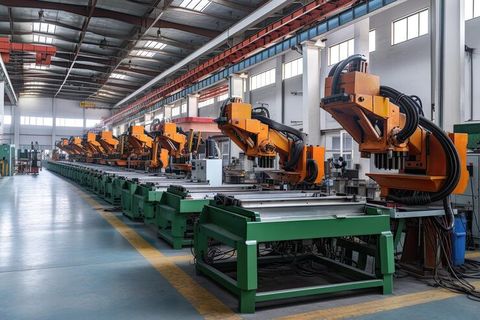
Industrial processing units are facilities or integrated production systems designed to transform raw materials into finished or semi-finished products. They use machinery, mechanical equipment, electrical systems, and controlled production processes to handle different materials.
In China, these facilities support a wide range of manufacturing activities. They include food production plants, chemical processing facilities, textile manufacturing operations, metal treatment plants, and industrial packaging facilities.
A typical processing unit contains several interconnected components:
Material handling equipment: Moves raw materials between production stages.
Processing machinery: Performs activities such as mixing, grinding, heating, cutting, or filtering.
Control systems: Monitor operating conditions and regulate production activities.
Storage equipment: Holds raw materials, intermediate products, and finished goods.
Quality inspection systems: Help identify defects and maintain production consistency.
Why Does China Have a Large Industrial Processing Sector?
China's industrial development has been supported by manufacturing infrastructure, technical expertise, industrial supply networks, and substantial production capacity.
Industrial clusters have developed across different regions. Guangdong is associated with electronics and advanced manufacturing, Zhejiang has a diverse machinery and manufacturing base, and Jiangsu supports several industrial equipment and processing sectors.
These regional manufacturing networks connect component producers, machinery manufacturers, engineering companies, and industrial facilities. This structure allows different stages of equipment production to operate within established industrial ecosystems.
Why Industrial Processing Units Matter Today
Industrial processing units are important because they help manufacturers convert materials into usable products through organized and repeatable processes. They also support production planning, material efficiency, and consistent output.
Which Industries Use Chinese Processing Equipment?
Several industries depend on processing machinery manufactured in China.
Food and beverage: Processing units handle washing, sorting, grinding, cooking, drying, filling, and packaging. Different machines are used depending on the product and required hygiene conditions.
Chemical manufacturing: Chemical processing equipment includes reactors, storage tanks, filtration systems, heat exchangers, and mixing units. These systems support controlled chemical operations.
Textile production: Textile processing machinery performs activities such as dyeing, washing, drying, spinning, and fabric finishing.
Metal processing: Industrial units use cutting machines, furnaces, rolling equipment, surface treatment systems, and metal forming machinery.
Pharmaceutical manufacturing: Specialized equipment supports material preparation, mixing, granulation, drying, and packaging under controlled production conditions.
What Problems Do Processing Units Address?
Industrial processing systems address several operational challenges:
Repeated manual operations can create inconsistent production results.
Poor material handling can interrupt manufacturing activities.
Inadequate temperature control can affect product characteristics.
Limited production monitoring can make quality problems difficult to identify.
Unorganized production stages can increase material losses.
Modern processing equipment addresses these issues through automation, monitoring systems, and controlled operating procedures. However, actual performance depends on equipment design, maintenance, operating conditions, and staff training.
Recent Trends in China's Industrial Processing Sector
China's industrial machinery sector continues to develop through automation, digital manufacturing, energy management, and improvements in production technology.
How Is Automation Changing Industrial Processing?
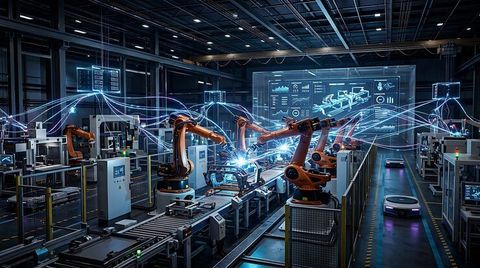
Automated production systems are becoming more common in manufacturing facilities. Programmable logic controllers, industrial sensors, robotic equipment, and computer-based monitoring systems help coordinate production activities.
These technologies allow operators to monitor operating temperatures, machine speeds, pressure levels, and material movement. Automated monitoring can also help identify unusual operating conditions before they interrupt production.
What Is the Role of Artificial Intelligence in Processing Units?
Artificial intelligence is increasingly being explored for industrial monitoring and predictive maintenance.
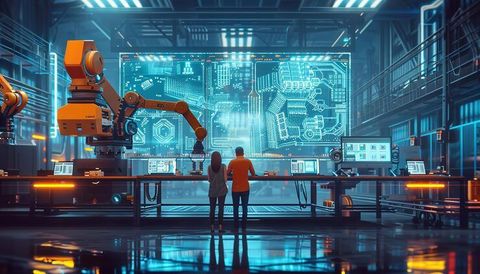
Some manufacturing systems use operational data to identify equipment patterns, detect possible faults, and schedule maintenance activities. Computer vision can also support product inspection by identifying visible defects during production.
However, the level of AI integration varies between manufacturers and equipment categories.
How Are Energy and Environmental Considerations Changing?
Manufacturers are paying greater attention to electricity consumption, water usage, waste management, and emissions.
Common developments include:
Energy monitoring systems for industrial machinery.
Water recycling equipment in processing facilities.
Improved heat recovery arrangements.
Dust collection and industrial filtration systems.
Automated monitoring of production resources.
These developments reflect broader efforts to improve manufacturing efficiency and environmental management.
Indian Laws and Policies for Imported Industrial Machinery
Businesses importing industrial processing equipment from China into India need to understand the regulatory requirements applicable to their particular machinery.
What Indian Regulations Apply to Industrial Equipment?
Several Indian authorities and regulatory frameworks are relevant.
Bureau of Indian Standards (BIS): BIS develops Indian Standards and administers compulsory certification requirements for specified products. Certain imported machinery and electrical equipment may require applicable certification under Quality Control Orders.
Machinery and Electrical Equipment Safety Regulations: The Machinery and Electrical Equipment Safety (Omnibus Technical Regulation) Order, 2024 was introduced by the Ministry of Heavy Industries. Its implementation was subsequently amended, and the original order was rescinded in January 2026. Businesses should check the latest applicable notifications rather than assume its earlier implementation schedule remains valid.
Directorate General of Foreign Trade (DGFT): DGFT administers India's foreign trade framework. Importers need to check applicable import policies, restrictions, and documentation requirements.
Central Pollution Control Board (CPCB): Environmental requirements may apply to industrial operations involving emissions, wastewater, hazardous materials, and waste generation.
What Documents Should Importers Understand?
Common import documentation includes:
Commercial invoice and packing list.
Bill of lading or airway bill.
Import Export Code, where applicable.
Product specifications and technical documentation.
Country of origin information.
Applicable conformity certificates and test reports.
Customs classification and import declarations.
Requirements differ according to equipment type, intended application, and applicable regulations.
Types of Industrial Processing Units: A Comparison
Industrial processing equipment differs according to its purpose, materials, operating conditions, and production requirements.
Processing unit | Main function | Common industries |
|---|---|---|
Food processing units | Prepare and transform food materials | Food and beverage |
Chemical processing units | Handle chemical reactions and mixtures | Chemicals and materials |
Textile processing units | Treat and finish fabrics | Textiles and clothing |
Metal processing units | Shape, cut, and treat metals | Engineering and automotive |
Pharmaceutical units | Prepare and process pharmaceutical materials | Pharmaceutical manufacturing |
Plastic processing units | Shape and manufacture plastic products | Packaging and consumer goods |
Continuous Processing vs Batch Processing: What Is the Difference?
Continuous processing involves materials moving through production equipment without frequent interruptions. It is commonly used in operations requiring consistent production flows.
Batch processing handles a defined quantity of material during each production cycle. It is useful when manufacturers need different formulations, product variations, or separate production runs.
The appropriate arrangement depends on material characteristics, production volume, processing time, and operational requirements.
Tools and Resources for Understanding Industrial Equipment
Several technical platforms and reference materials help businesses understand industrial processing machinery and manufacturing requirements.
Bureau of Indian Standards: Provides information about Indian Standards, product certification, and applicable Quality Control Orders.
DGFT Trade Resources: Provides information about import policies, trade classifications, and foreign trade documentation.
India Customs ICEGATE: Provides electronic customs-related information and facilities for import documentation and declarations.
International Organization for Standardization (ISO): Publishes international standards covering quality management, industrial processes, and equipment safety.
China National Bureau of Statistics: Provides information about China's industrial production, manufacturing sectors, and economic developments.
Equipment specification sheets: Technical documents describe machine capacity, operating temperature, electrical requirements, dimensions, materials, and production characteristics.
Businesses can also use equipment inspection checklists, production capacity calculators, maintenance schedules, and technical comparison spreadsheets to organize equipment assessments.
Frequently Asked Questions
What Are Industrial Processing Units in China?
Industrial Processing Units in China are manufacturing facilities and integrated machinery systems used to transform raw materials into finished or semi-finished products across different industries.
Which Industries Use Industrial Processing Equipment in China?
Food processing, chemicals, textiles, pharmaceuticals, metalworking, plastics, and packaging are among the industries that use Chinese industrial processing equipment.
How Does Industrial Processing Machinery Work?
Industrial machinery performs operations such as mixing, heating, filtering, cutting, grinding, drying, and packaging through mechanical, electrical, and automated systems.
What Should Indian Businesses Check Before Importing Chinese Machinery?
They should examine technical specifications, applicable BIS requirements, customs classification, import documentation, equipment safety, and environmental regulations.
What Is the Difference Between Batch and Continuous Processing?
Batch processing handles materials in separate production quantities, while continuous processing moves materials through interconnected production stages.
Conclusion
Industrial processing units in China support manufacturing across several important industrial sectors. Their equipment ranges from conventional mechanical systems to automated and digitally monitored production technologies. Understanding machinery specifications, production methods, quality requirements, and international trade regulations is important when evaluating industrial equipment. For Indian businesses, applicable import rules and machinery certification requirements remain important considerations.