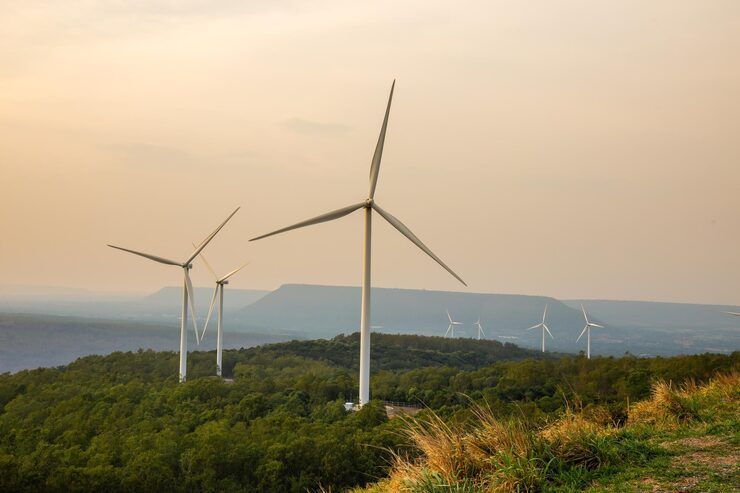
Wind turbines are machines that convert the kinetic energy of moving air into mechanical energy and then into electricity. They are an important part of renewable energy systems because wind is naturally replenished and can generate electricity without burning fuel during operation.
Wind turbines are used in onshore wind farms, offshore installations, agricultural settings, industrial facilities, and selected small-scale energy systems. Their size and configuration depend on wind conditions, electricity requirements, available land or marine space, and connection to the electrical grid.
Modern wind energy technology combines aerodynamic engineering, electrical generators, control systems, monitoring software, and structural design. These components work together to capture wind energy safely and convert it into electricity suitable for homes, businesses, and industrial applications.
Understanding Wind Turbine Technology
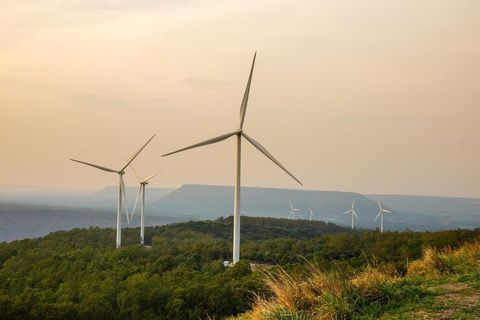
A typical horizontal-axis wind turbine has three main blades connected to a rotor. The rotor turns when wind passes across the blades, transferring mechanical energy through a drivetrain or directly to an electrical generator.
The generated electricity passes through electrical equipment that regulates its characteristics before it enters a local distribution network or transmission grid.
Important wind turbine components include:
Rotor blades: Capture energy from moving air.
Hub: Connects the blades to the rotating assembly.
Nacelle: Houses the generator and other major mechanical or electrical components.
Tower: Supports the rotor and nacelle at an appropriate height.
Generator: Converts mechanical rotation into electrical energy.
Gearbox: In geared turbines, increases rotational speed for the generator.
Control system: Adjusts operation according to wind conditions and equipment requirements.
Power converter: Helps regulate electrical output and grid compatibility.
Not all turbines use the same configuration. Direct-drive designs, for example, can operate without a conventional gearbox.
Main Types of Wind Turbines
Wind turbines are generally classified according to their installation environment and intended use.
Onshore wind turbines are installed on land, often in open plains, agricultural regions, mountain passes, and other locations with suitable wind conditions.
Offshore wind turbines operate in marine environments. They can use fixed foundations in suitable water depths or floating platforms where deeper water makes conventional foundations less practical.
Small wind turbines are designed for selected distributed-energy applications. Their performance depends on local wind conditions, installation height, surrounding obstacles, and electricity requirements.
How Wind Turbines Generate Electricity
Wind turbine operation follows several connected stages.
First, wind moves across the rotor blades, producing aerodynamic lift and causing the rotor to turn. The rotating assembly transfers mechanical energy to the generator through a gearbox or direct-drive arrangement.
The generator produces electricity, which is then conditioned by electrical equipment. Transformers may increase voltage to support transmission, while protection and control systems help maintain safe operation.
Modern turbines also use sensors to monitor wind speed, vibration, temperature, rotational speed, and other operating conditions.
Why Wind Turbines Matter Today
Wind power contributes to electricity generation, energy diversification, and efforts to reduce greenhouse gas emissions.
Renewable Electricity Generation
Unlike coal or natural gas power stations, wind turbines do not require fuel combustion to generate electricity during normal operation. This can reduce operational carbon emissions when wind power replaces electricity from fossil-fuel generation.
However, turbines still have environmental impacts associated with manufacturing, transportation, installation, maintenance, and eventual decommissioning.
Energy Security and Grid Planning
Wind energy can diversify a country's electricity supply and reduce dependence on a single fuel source. Its effectiveness depends on wind availability, transmission capacity, electricity demand, and coordination with other power sources.
Because wind output varies, grid operators may combine wind generation with solar power, hydropower, energy storage, flexible generation, and demand management.
Industrial and Agricultural Applications
Wind turbines support several areas of economic activity, including:
Electricity generation
Industrial power systems
Rural energy planning
Offshore engineering
Electrical infrastructure
Renewable energy research
Environmental monitoring
Grid modernization
Wind farms can also share land with certain agricultural activities, although access roads, foundations, safety zones, and maintenance requirements influence how surrounding land can be used.
Factors Affecting Wind Turbine Performance
| Factor | Effect on Performance |
|---|---|
| Wind speed | Strongly influences available wind power |
| Blade design | Affects aerodynamic efficiency |
| Hub height | Influences access to local wind conditions |
| Air density | Affects the energy available in moving air |
| Turbine availability | Determines how often equipment can operate |
| Grid connection | Influences whether generated electricity can be delivered |
| Maintenance | Helps preserve reliability and operating performance |
Wind power varies with the cube of wind speed under simplified aerodynamic conditions. This means relatively small changes in wind speed can substantially change the power available in the wind, although actual turbine output is limited by its operating characteristics and rated capacity.
Recent Developments in Wind Energy
Wind turbine technology has continued to develop through larger offshore turbines, improved forecasting, advanced materials, digital monitoring, and changing electricity-market policies.
Global Wind Capacity Expansion
According to the Global Wind Energy Council's 2025 Global Wind Report, the world added approximately 117 gigawatts of new wind power capacity during 2024, bringing cumulative installed wind capacity to more than 1,100 gigawatts.
These figures demonstrate the continuing expansion of wind energy across multiple regions. Annual installations vary according to permitting, grid infrastructure, project financing, supply chains, and national energy policies.
Offshore Wind Technology
Offshore wind development continues to focus on larger turbines, improved foundations, and floating-platform technology.
Floating wind systems can potentially expand wind generation into deeper waters where fixed-bottom foundations are less suitable. However, these projects face engineering challenges involving mooring systems, marine conditions, installation methods, and grid connections.
Digital Monitoring and Predictive Maintenance
Wind farm operators increasingly use sensors, remote monitoring, weather forecasting, and data analytics to evaluate turbine performance.
Predictive maintenance systems can identify unusual vibration, temperature changes, or component behavior before some failures occur. Their effectiveness depends on data quality, suitable analytical models, and maintenance procedures.
Recycling and Sustainable Materials
Wind turbine blade recycling remains an important industry challenge because many blades use composite materials designed for strength and durability.
Researchers and manufacturers are examining improved composite designs, material recovery techniques, and processes that can support reuse or recycling at the end of a turbine's operational life.
Laws, Regulations, and Renewable Energy Policies
Wind turbine development is governed by national energy policies, environmental legislation, land-use requirements, electrical standards, and aviation or maritime rules where applicable.
Wind Energy Policy in India
India's wind energy sector operates within the country's broader renewable energy framework. The Ministry of New and Renewable Energy develops national policies and programs supporting renewable electricity generation, while the Central Electricity Authority and electricity regulators have responsibilities relating to power systems and regulatory requirements.
Wind energy projects may require land permissions, environmental assessments where applicable, grid connectivity approvals, and compliance with electrical and structural standards.
The exact requirements depend on the project location, capacity, ownership structure, and applicable state regulations.
Environmental Assessment
Wind projects may need assessments covering wildlife, bird and bat activity, noise, shadow flicker, land use, visual effects, and impacts on nearby communities.
Offshore developments may also require consideration of marine ecosystems, shipping routes, fisheries, seabed conditions, and coastal infrastructure.
Grid Connection and Electrical Safety
Wind turbines connected to public electricity networks must comply with relevant grid codes and electrical safety standards.
These requirements help maintain voltage and frequency performance, protection coordination, and reliable interaction between renewable generation and the wider power system.
Tools and Resources for Wind Energy Planning
Several technical resources can help researchers, engineers, project planners, and students understand wind energy systems.
Wind Resource Assessment
Wind resource tools help evaluate wind speed, direction, seasonal patterns, and expected energy production.
Useful information includes:
Average wind speed
Wind-speed distribution
Wind direction
Air density
Terrain characteristics
Turbulence
Hub-height wind conditions
Reliable measurements and suitable modeling are essential when estimating the potential output of a proposed wind energy project.
Energy Production Calculators
Wind power calculators can provide preliminary estimates of available wind power using air density, rotor swept area, and wind speed.
A simplified equation is:
Wind power = ½ × air density × rotor area × wind speed³
This represents the power available in the wind before accounting for aerodynamic efficiency, mechanical losses, electrical losses, and turbine operating limits.
Industry and Government Resources
Useful sources include:
Ministry of New and Renewable Energy, India
Global Wind Energy Council
International Energy Agency
National Renewable Energy Laboratory
International Electrotechnical Commission
National and regional electricity regulators
These organizations publish information on wind energy technology, standards, research, installed capacity, and renewable energy policies.
Frequently Asked Questions
How does a wind turbine generate electricity?
Wind turns the turbine blades and rotor, transferring mechanical energy to a generator. The generator converts that energy into electricity, which electrical equipment prepares for use or delivery to the grid.
What is the difference between onshore and offshore wind turbines?
Onshore turbines are installed on land, while offshore turbines operate in marine environments. Offshore projects can benefit from strong winds in some locations but require specialized foundations, marine installation equipment, and underwater electrical infrastructure.
How long can a wind turbine operate?
Many modern wind turbines are designed around an operational life of approximately 20 to 30 years. Actual service life depends on operating conditions, maintenance, component replacement, and structural assessments.
Are wind turbines environmentally friendly?
Wind turbines generate electricity without fuel combustion during normal operation, helping reduce operational greenhouse gas emissions. However, projects can affect wildlife, landscapes, and local communities, and their materials require responsible management throughout their life cycle.
What determines wind turbine electricity output?
Electricity output depends mainly on wind speed, rotor size, turbine design, operating conditions, and equipment availability. Grid restrictions and maintenance can also influence the amount of electricity ultimately delivered.
Conclusion
Wind turbines are an important technology for renewable electricity generation. By converting moving air into electrical energy, they contribute to energy diversification and can reduce dependence on fossil-fuel generation.
Developments in offshore engineering, digital monitoring, predictive maintenance, and material recycling are expanding the technical possibilities of wind power. At the same time, successful deployment requires careful wind resource assessment, reliable grid infrastructure, environmental planning, and compliance with relevant regulations.
Understanding turbine components, operating principles, performance factors, and maintenance requirements helps explain how wind energy systems function. Combining sound engineering with responsible project planning can support the continued development of wind power as part of a broader, more diversified electricity system.