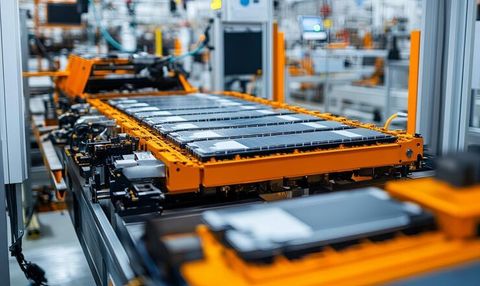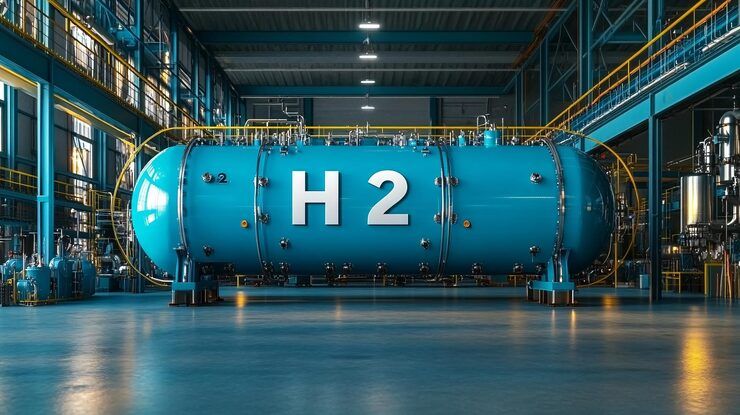
Hydrogen electrolyzers are systems that use electricity to split water into hydrogen and oxygen. When the electricity comes from renewable sources such as solar or wind, the resulting hydrogen is commonly described as renewable or green hydrogen.
lyzers Matter Today
Hydrogen is already used extensively in industries such as refining, ammonia production, methanol production, and other chemical processes. Conventional hydrogen production is predominantly based on fossil fuels.
Electrolyzers provide another pathway by using electricity and water as the primary inputs. The environmental performance depends heavily on the source of electricity.
Renewable Hydrogen
An electrolyzer powered by electricity from wind, solar, hydropower, nuclear generation, or another low-carbon source can produce hydrogen with substantially different emissions characteristics from hydrogen produced using unabated fossil-fuel processes.
This makes electrolyzers relevant to green hydrogen production, hydrogen energy systems, renewable hydrogen plants, industrial hydrogen production, and hydrogen infrastructure.
Potential Industrial Applications
Hydrogen produced through electrolysis can be used in:
Ammonia production
Petroleum refining
Steel manufacturing
Synthetic fuel production
Chemical processing
Long-duration energy storage
Heavy transport
Maritime applications
Power-system balancing
Industrial heating
Hydrogen can also be converted into derivatives such as ammonia or synthetic fuels for applications where direct hydrogen use may be difficult.
Efficiency Considerations
Electrolyzer performance depends on several variables, including electricity consumption, operating temperature, pressure, water quality, stack efficiency, system design, and operating conditions.
A simplified comparison is useful:
| Factor | Why It Matters |
|---|---|
| Electricity consumption | Major determinant of hydrogen-production efficiency |
| Stack efficiency | Determines electrochemical performance |
| Operating pressure | Influences downstream compression requirements |
| Water purity | Protects electrodes and membranes |
| Temperature | Affects reaction efficiency |
| Load factor | Influences annual hydrogen output |
| Renewable-power profile | Determines operating pattern |
| Stack lifetime | Influences long-term plant performance |
Recent Hydrogen Electrolyzer Developments
The hydrogen sector continued to receive significant policy and industrial attention during 2025 and 2026, with particular focus on electrolyzer manufacturing, renewable hydrogen production, infrastructure, and industrial applications.
India’s Green Hydrogen Mission
India's National Green Hydrogen Mission remains a central policy framework for developing a domestic green hydrogen ecosystem. The Ministry of New and Renewable Energy describes the mission as supporting green hydrogen production, demand creation, manufacturing, infrastructure, and related ecosystem development.
The mission includes a Strategic Interventions for Green Hydrogen Transition Programme, commonly known as SIGHT, which includes support mechanisms for electrolyzer manufacturing and green hydrogen production.
Electrolyzer Manufacturing in India
The SIGHT programme's electrolyzer manufacturing component is intended to build domestic manufacturing capability. MNRE publishes information regarding awarded capacity and implementation under the programme.
This policy direction is relevant because the hydrogen economy requires not only hydrogen production facilities but also a supply chain for electrolyzer stacks, power electronics, membranes, electrodes, balance-of-plant equipment, and related components.
Global Electrolyzer Manufacturing
The International Energy Agency has continued tracking global electrolyzer manufacturing capacity and hydrogen project development. Its Global Hydrogen Review and related hydrogen analysis highlight the rapid expansion of announced electrolyzer manufacturing capability relative to current deployment.
The difference between manufacturing capacity and actual deployed projects remains an important consideration when evaluating the pace of hydrogen-sector development.
Technology Development
Research and industrial development continue across several areas:
Higher-current-density PEM systems
Larger alkaline stacks
Improved catalyst utilization
Lower-cost membrane materials
Better dynamic operation
Advanced power electronics
Higher-temperature SOEC systems
Improved hydrogen purification
Automated stack monitoring
Longer operating lifetimes
These developments aim to improve efficiency, reliability, flexibility, and overall system performance.
Laws, Regulations and Policies in India
India provides an important regulatory example because hydrogen production intersects with energy policy, renewable electricity, industrial safety, water management, environmental rules, and standards.
National Green Hydrogen Mission
The National Green Hydrogen Mission was approved by the Government of India in January 2023 with an initial outlay of ₹19,744 crore through FY 2029–30. The mission seeks to establish India as a major producer and supplier of green hydrogen and its derivatives.
The mission's framework includes:
Green hydrogen production
Electrolyzer manufacturing
Renewable-energy integration
Pilot projects
Infrastructure development
Standards and regulations
Research and innovation
Skill development
Green Hydrogen Standard
India notified its Green Hydrogen Standard in August 2023. The standard establishes the emissions threshold used to define green hydrogen in India and includes hydrogen produced through electrolysis using renewable electricity.
The standard is important because the environmental classification of hydrogen depends on how it is produced rather than simply on the use of an electrolyzer.
Safety and Industrial Requirements
Hydrogen is highly flammable and requires appropriate engineering controls. Industrial facilities need to consider ventilation, hydrogen detection, electrical equipment, pressure systems, storage, piping, emergency controls, and separation distances.
Applicable requirements can involve multiple Indian authorities and standards depending on the project configuration. Operators should therefore assess the complete facility rather than treating the electrolyzer as an isolated machine.
Renewable-Energy Integration
Because green hydrogen depends on renewable electricity, project developers also need to consider electricity sourcing, renewable-energy accounting, grid connection, and applicable certification requirements.
The exact regulatory framework can vary according to project location, electricity source, hydrogen application, storage configuration, and whether hydrogen or derivatives are exported.
Tools and Resources for Hydrogen Electrolyzers
Electrolyzer projects require engineering calculations, energy analysis, water planning, safety assessment, and regulatory research.
Useful Tools
Hydrogen production calculators: Estimate hydrogen output from electrolyzer capacity and operating hours.
Electrolyzer efficiency calculators: Convert electricity consumption into estimated hydrogen production.
Renewable-energy modeling tools: Analyze solar and wind generation profiles.
Hydrogen compression calculators: Estimate downstream compression requirements.
Water-demand calculators: Estimate water requirements based on hydrogen output and system configuration.
Process simulation software: Model hydrogen-production systems and energy flows.
Techno-economic analysis tools: Evaluate project assumptions and financial scenarios.
Life-cycle assessment tools: Compare emissions across hydrogen-production pathways.
MNRE resources: Provide Indian green-hydrogen policy, standards, and programme information.
IEA hydrogen reports: Provide global information about hydrogen production, electrolyzers, infrastructure, and market development.
Important Parameters to Compare
When researching industrial hydrogen electrolyzers, useful specifications include:
Electrolyzer technology
Rated capacity
Specific electricity consumption
Operating pressure
Current density
Operating temperature
Hydrogen purity
Dynamic response
Stack lifetime
Water requirements
Power-electronics configuration
Footprint
Monitoring capabilities
Safety systems
Rated megawatt capacity alone does not describe the complete performance of an electrolyzer plant. Actual hydrogen output depends on electricity availability, efficiency, operating conditions, downtime, and system configuration.
Frequently Asked Questions
What is a hydrogen electrolyzer?
A hydrogen electrolyzer is an electrochemical system that uses electricity to split water into hydrogen and oxygen. Different electrolyzer technologies use different electrolyte and membrane arrangements.
What is green hydrogen?
Green hydrogen generally refers to hydrogen produced using renewable energy through processes such as water electrolysis. The exact definition depends on the applicable standard or certification system.
What is the difference between alkaline and PEM electrolyzers?
Alkaline systems use a liquid alkaline electrolyte, while PEM systems use a polymer membrane. PEM systems can respond quickly to changing electricity input, while alkaline technology has a long industrial operating history.
How much water does an electrolyzer need?
The theoretical water requirement is approximately 9 kilograms of water for every kilogram of hydrogen produced. Actual system water requirements can be higher because additional purified water may be needed for system operation and treatment.
Does an electrolyzer automatically produce green hydrogen?
No. An electrolyzer only describes the production technology. The hydrogen's environmental classification depends largely on the electricity source and the applicable definition or certification standard.
Conclusion
Hydrogen electrolyzers are central technologies in the development of renewable and low-carbon hydrogen systems. By using electricity to split water into hydrogen and oxygen, they can connect electricity generation with industrial hydrogen production and energy-storage applications.
Alkaline, PEM, SOEC, and emerging AEM technologies each have different operating characteristics. The most appropriate technology depends on electricity availability, required production profile, material requirements, operating temperature, pressure, scale, and downstream application.
Developments during 2025 and 2026 show continued investment in electrolyzer manufacturing, green hydrogen infrastructure, and advanced electrochemical technologies. India's National Green Hydrogen Mission and its SIGHT programme are particularly important to the country's strategy for developing domestic electrolyzer manufacturing and green hydrogen production.
For organizations researching hydrogen electrolyzers, the most important factors include technology type, electricity consumption, hydrogen output, operating flexibility, stack lifetime, water requirements, safety systems, renewable-energy sourcing, and applicable standards.
The long-term development of hydrogen electrolysis will depend not only on improvements in individual stacks but also on renewable-power availability, infrastructure, industrial demand, standards, financing, and the ability to integrate hydrogen production into broader energy systems.