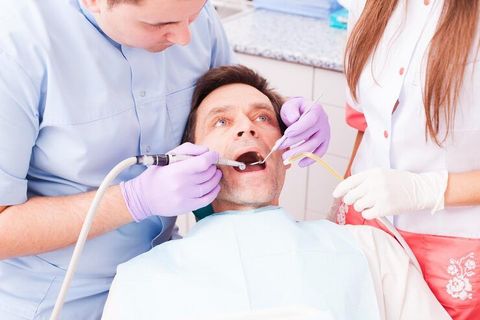
Oral infections occur when bacteria, fungi, or viruses affect tissues in the mouth. They may involve the teeth, gums, tongue, inner cheeks, or other soft tissues. Some infections remain localized, while others can spread into surrounding tissues and require urgent medical or dental attention.
The mouth naturally contains many microorganisms. Most are part of the normal oral environment, but changes in oral hygiene, damage to teeth, gum inflammation, certain medical conditions, or a weakened immune system can allow harmful organisms to multiply.
Oral infection treatment depends on the underlying cause. A bacterial tooth abscess may require drainage and treatment of the affected tooth, while oral thrush generally requires an antifungal medicine. Viral conditions require different approaches, so identifying the cause is important before choosing treatment.
Common Types of Oral Infections
Several conditions can cause infection or inflammation in the mouth.
Dental abscess: A collection of pus caused by a bacterial infection, often associated with untreated tooth decay, a damaged tooth, or advanced gum disease. Symptoms can include persistent toothache, swelling, sensitivity, and pain when chewing.
Gum infections: Bacterial plaque can contribute to gum inflammation and periodontal disease. More advanced infections may damage the tissues and bone supporting the teeth.
Oral thrush: A fungal infection usually caused by an overgrowth of Candida yeast. It may produce white patches, redness, soreness, or an altered taste.
Viral infections: Viruses such as herpes simplex can cause painful blisters or ulcers around the mouth. Other viral illnesses may produce sores inside the mouth.
Pericoronitis: Inflammation and infection around a partially erupted tooth, often a wisdom tooth. Food and bacteria can become trapped beneath the surrounding gum tissue.
Symptoms and Warning Signs
Symptoms vary depending on the affected tissue and the organism involved. Common signs include:
Toothache or persistent mouth pain
Swollen, red, or tender gums
Pus or an unpleasant taste
White patches on the tongue or inner cheeks
Pain when chewing or swallowing
Mouth ulcers or blisters
Bad breath that persists despite oral hygiene
Facial swelling or tenderness
Fever or swollen lymph nodes
Not every mouth ulcer or area of redness is caused by an infection. Irritation, injuries, medication effects, and other medical conditions can produce similar symptoms.
A dental professional can examine the affected area and determine whether imaging, laboratory testing, or another assessment is needed.
Treatment Options for Oral Infections
Treatment depends on the infection's cause, location, severity, and whether it has spread beyond the original area. A dental examination helps determine the appropriate approach.
Dental Abscess Treatment
A dental abscess generally requires prompt dental treatment. Depending on the findings, a dentist may recommend:
Drainage: Removing accumulated pus when appropriate.
Root canal treatment: Cleaning and disinfecting the infected tissue inside a tooth to preserve it when possible.
Tooth extraction: Removing a tooth that cannot be restored.
Gum treatment: Cleaning infected areas around the teeth when periodontal disease is involved.
Antibiotics may be necessary when an infection is spreading or causes systemic symptoms. However, antibiotics alone usually cannot eliminate the source of a dental abscess.
Oral Thrush Treatment
Oral thrush is usually treated with an antifungal medicine prescribed or recommended by a qualified healthcare professional. The choice depends on the severity of the infection, the person's medical history, and possible interactions with other medicines.
If thrush repeatedly returns, a clinician may assess contributing factors such as diabetes, immune-system conditions, recent antibiotic use, or inhaled corticosteroid use.
Gum Infection Treatment
Early gum inflammation can often improve with effective brushing, cleaning between teeth, and professional dental assessment.
More advanced periodontal disease may require scaling and root planing, which removes plaque and hardened deposits from around and below the gumline. Additional treatment depends on the depth of gum pockets, bone damage, and response to initial care.
Managing Pain Safely
While waiting for dental assessment, appropriate pain relief may help control discomfort. Medicines such as paracetamol or ibuprofen may be suitable for some adults, but their safety depends on age, medical conditions, pregnancy, allergies, and other medications.
Do not place aspirin directly on the gums, attempt to drain an abscess yourself, or use leftover antibiotics. These actions can cause harm or delay effective treatment.
Recent Medical Guidance and Research
Developments during 2026 have continued to emphasize appropriate antibiotic prescribing and prevention-focused dental care.
In April and September 2026, the US Centers for Disease Control and Prevention published updated educational materials addressing antibiotic use for dental pain and swelling. The guidance emphasizes identifying the source of infection and prioritizing appropriate dental treatment rather than routinely prescribing antibiotics for every case of toothache or localized swelling.
In 2026, the American Dental Association also highlighted antibiotic stewardship through updated professional guidance. The central principle is that antibiotics should be used when clinically indicated, with the selection and duration determined by the patient's condition and applicable clinical recommendations.
The World Health Organization also discussed updated guidance on minimally invasive dental care and appropriate antibiotic use during a webinar on July 22, 2026. Minimally invasive approaches aim to preserve healthy tooth structure while managing dental disease where clinically appropriate.
These developments reflect a broader emphasis on evidence-based treatment, prevention, and reducing unnecessary antibiotic exposure. They do not mean that antibiotics are never needed; spreading infections and certain high-risk conditions require appropriate medical assessment and treatment.
Laws, Policies, and Patient Safety
Rules governing oral infection treatment differ between countries. They generally address professional licensing, medicine prescribing, infection control, patient safety, and access to dental care.
Antibiotic Prescribing
In many countries, systemic antibiotics require a prescription from an authorized healthcare professional. Dentists must consider the suspected organism, severity of infection, patient allergies, medical history, and risk of complications.
Antibiotic stewardship policies aim to reduce unnecessary prescribing because inappropriate use can cause adverse reactions and contribute to antimicrobial resistance.
Patients should take prescribed medicines according to their clinician's instructions and should not share antibiotics or use another person's prescription.
Dental Infection Control
Dental practices follow infection-prevention procedures intended to reduce transmission of microorganisms. These may include instrument sterilization, hand hygiene, protective equipment, environmental cleaning, and appropriate handling of contaminated materials.
Professional regulatory bodies and public health authorities establish applicable requirements according to local legislation.
When Emergency Care Is Necessary
Some oral infections can spread rapidly into facial or neck tissues. Seek emergency medical care immediately if there is difficulty breathing or swallowing, rapidly increasing swelling in the mouth or neck, or swelling that affects the eye or vision.
Facial swelling accompanied by fever, severe weakness, or worsening pain also requires urgent assessment. People with weakened immune systems should seek prompt advice when infection is suspected.
Tools and Resources for Oral Health
Reliable information and routine monitoring can help people recognize symptoms and maintain oral hygiene.
Oral Health Tracking
A simple oral health diary can record:
When pain or swelling began
The location and severity of symptoms
Changes in temperature or general health
Medicines already taken
Recent dental procedures
Questions for the dentist
This information can help a clinician understand how symptoms have developed.
Dental Hygiene Tools
Useful everyday tools include:
A soft-bristled toothbrush
Fluoride toothpaste
Dental floss or appropriately sized interdental brushes
A tongue-cleaning tool when appropriate
A toothbrush timer
A reminder application for daily oral care
A dentist can recommend suitable products according to individual needs.
Reliable Information Sources
Public health agencies, dental associations, and recognized medical institutions publish educational material about oral infections, medication safety, gum disease, and preventive dentistry.
When researching treatment, prioritize guidance from qualified dental professionals and official health authorities rather than unverified home remedies or online medication recommendations.
Frequently Asked Questions
What are the most common oral infections?
Common conditions include dental abscesses, gum infections, oral thrush, viral mouth sores, and infections around partially erupted wisdom teeth. Symptoms and treatment differ depending on the underlying cause.
Can an oral infection heal without treatment?
Some minor mouth sores resolve naturally, but a dental abscess generally requires professional treatment. Persistent pain, pus, swelling, or worsening symptoms should not be ignored because untreated infections can spread.
Do antibiotics cure every dental infection?
No. Antibiotics are useful for certain bacterial infections, particularly when there is spreading infection or systemic involvement. Many localized dental infections require treatment of the affected tooth or surrounding tissue to eliminate the source.
How can oral infections be prevented?
Prevention includes brushing twice daily with fluoride toothpaste, cleaning between teeth, limiting frequent exposure to sugary foods and drinks, avoiding tobacco, and attending regular dental assessments. Addressing tooth decay and gum inflammation early can reduce the likelihood of complications.
When should someone seek urgent dental or medical care?
Seek prompt dental assessment for persistent toothache, pus, gum swelling, or suspected abscess. Difficulty breathing or swallowing, rapidly increasing facial or neck swelling, or eye involvement requires emergency medical attention.
Conclusion
Oral infections range from localized gum problems to serious dental abscesses that can spread into surrounding tissues. Recognizing symptoms early and obtaining an appropriate diagnosis are important steps toward effective treatment.
Treatment may involve drainage, root canal procedures, periodontal care, antifungal medicines, or antibiotics when clinically indicated. The correct approach depends on the cause and severity of the infection, so self-diagnosis and leftover medication should be avoided.
Developments in 2025 and 2026 continue to emphasize preventive dentistry, evidence-based treatment, and responsible antibiotic use. Consistent oral hygiene, timely dental assessment, and awareness of emergency warning signs remain important parts of maintaining oral health.