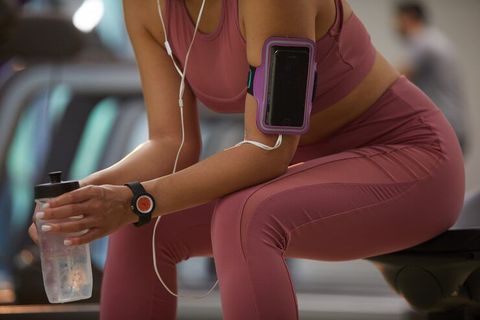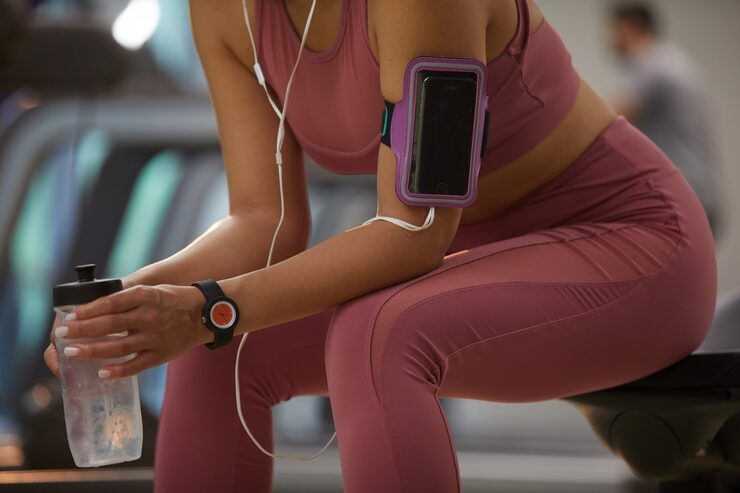
Fitness trackers and gadgets are electronic devices designed to record physical activity, monitor selected body measurements, and help people understand their daily movement patterns. They include fitness bands, smartwatches, heart rate monitors, smart rings, GPS sports watches, and other connected wearable devices.
These technologies have developed alongside improvements in miniature sensors, wireless connectivity, battery efficiency, and mobile applications. Many devices can count steps, estimate distance, record workouts, measure heart rate, and provide summaries of sleep patterns or activity levels.
Fitness tracking technology is used by people with different goals, including recreational walking, running, cycling, strength training, and general activity awareness. The usefulness of a device depends on its sensors, software, fit, battery life, and the accuracy required for a particular activity.
Understanding Fitness Tracking Technology
Most wearable fitness devices combine several sensors with software that interprets the collected measurements.
An accelerometer detects changes in movement and helps estimate steps and activity. A gyroscope measures rotational movement and can support exercise recognition. Optical sensors commonly use light to estimate heart rate by detecting changes in blood volume near the skin.
Some devices also include GPS, skin-temperature sensors, barometers, or electrical sensors designed for specific measurements.
Common fitness tracking features include:
Step counting and movement monitoring
Heart rate measurement
Workout duration and intensity estimates
GPS-based distance and route recording
Sleep-duration estimates
Daily activity summaries
Exercise reminders
Recovery and training-load estimates
Smartphone notifications
Water-resistance ratings for selected activities
Not every device contains all these features. Specifications should be checked carefully because similarly named functions can use different measurement methods.
Main Types of Fitness Gadgets
Fitness bands generally focus on everyday movement, basic workout recording, and selected health-related measurements. Their compact designs can suit users who prefer a smaller wearable.
Smartwatches combine activity tracking with smartphone notifications, applications, GPS, and other connected functions. Some models include additional sensors for measurements such as blood oxygen estimates or electrocardiograms.
GPS sports watches are designed for activities where route information, pace, elevation, and training data are important. Features vary according to the sport and device.
Smart rings use a compact form factor to monitor selected measurements, often emphasizing sleep, resting heart rate, and general activity patterns.
Chest-strap heart rate monitors measure electrical signals associated with heartbeats and are commonly used when continuous exercise heart-rate data is important.
Why Fitness Trackers Matter Today
Fitness trackers make daily movement easier to observe by converting activity into understandable measurements. They can help users recognize patterns, set personal goals, and review changes in their exercise routines over time.
Activity Awareness and Exercise Planning
Many people spend long periods sitting because of work, travel, or screen-based activities. Activity trackers can provide reminders to move and summaries of daily movement, helping users become more aware of their routines.
For runners and cyclists, GPS tracking and workout summaries can help compare pace, distance, and training duration across sessions.
Understanding Sleep and Recovery
Some wearable devices estimate sleep duration, sleep stages, resting heart rate, and other indicators associated with recovery. These measurements can provide general information about patterns over time.
However, consumer sleep tracking is not equivalent to a clinical sleep assessment. Results can vary between devices, and a single reading should not be treated as a medical conclusion.
Comparing Common Features
Feature | Typical Purpose | Important Consideration |
|---|---|---|
Step counter | Estimates daily movement | Accuracy varies with activity |
Heart rate sensor | Tracks pulse patterns | Fit and movement affect readings |
GPS | Records location and distance | Signal quality affects accuracy |
Sleep tracking | Estimates sleep patterns | Not a diagnostic assessment |
Battery monitoring | Shows remaining charge | Runtime depends on usage |
Water resistance | Indicates resistance under specified conditions | Does not guarantee suitability for every water activity |
ECG function | Records electrical heart signals on supported devices | Availability and interpretation vary |
Recent Developments in Fitness Tracking Technology
Wearable technology continues to evolve through improvements in sensors, artificial intelligence, software, and integration with health-related applications.
Wearable Technology Trends in 2025–2026
During 2025 and 2026, manufacturers continued developing wearable devices that combine activity monitoring with broader wellness features. These include longer-term trend summaries, improved workout recognition, recovery estimates, and more detailed sleep insights.
Artificial intelligence is also being incorporated into selected fitness applications to summarize activity patterns and provide personalized exercise suggestions. The usefulness of these features depends on the underlying data, the software model, and how clearly the results communicate uncertainty.
Greater Emphasis on Sensor Accuracy
Manufacturers continue refining optical heart rate sensors, GPS systems, and motion-detection algorithms. Better sensor placement and software processing can improve measurements under some conditions, although no wearable is accurate in every situation.
Wrist-based heart rate readings may be less reliable during rapid changes in exercise intensity or activities involving repeated wrist movement. Users who need precise exercise measurements should consider the type of sensor and the intended activity.
Integration With Health Applications
Fitness devices increasingly synchronize with smartphone health platforms, allowing users to view activity records from multiple sources in one place.
Depending on the device and application, this may include exercise history, sleep summaries, heart rate trends, and daily movement. Compatibility can vary between operating systems, device manufacturers, and software versions.
Because product specifications and software features change frequently, users should verify current capabilities before selecting a device.
Laws, Policies, and Data Privacy
Fitness trackers collect personal information, which may include location history, activity records, heart rate measurements, and sleep-related data. The rules governing this information depend on the country, the company processing it, and the purpose for which it is used.
Data Protection in the United States
In the United States, the Federal Trade Commission enforces consumer protection laws that can apply to misleading health-related claims and certain privacy practices.
The Health Breach Notification Rule can apply to qualifying health applications and connected devices that are not covered by the Health Insurance Portability and Accountability Act. Its application depends on the organization and the type of information involved.
Users should review privacy notices to understand how information is collected, stored, shared, and deleted.
Data Protection in the European Union
The General Data Protection Regulation establishes requirements for processing personal data in the European Union. Health-related information can receive additional protection as a special category of personal data under the regulation.
The precise obligations depend on the organization, its activities, and the legal basis for processing information.
Safe Use of Fitness Data
Before connecting a wearable to an application, consider the following:
Review location-tracking permissions.
Check whether health information is shared with third parties.
Use strong account authentication.
Disable unnecessary data collection.
Review data-retention and deletion options.
Understand who can access shared activity records.
Fitness information should be treated as personal data rather than simply as a collection of numbers displayed on a screen.
Tools and Resources for Choosing Fitness Gadgets
Selecting a fitness tracker requires comparing practical features rather than relying on a single specification.
Smartphone Compatibility
Check whether the wearable supports the smartphone's operating system and whether the required application is available in the user's region.
Some features may require a specific phone model, software version, or account configuration.
Battery Life and Charging
Battery life depends on screen brightness, GPS use, continuous heart rate monitoring, notifications, and other active features.
A device used for long outdoor activities may require different battery characteristics from one primarily used for daily step tracking.
Fitness Goals and Device Features
Use the following checklist to compare devices according to intended use.
User Priority | Features to Consider |
|---|---|
Everyday activity | Step counting and movement reminders |
Running and cycling | GPS, pace, distance, and workout recording |
Sleep awareness | Overnight tracking and long-term summaries |
Strength training | Workout modes and exercise recording |
Outdoor recreation | Navigation, battery life, and durability |
General smartwatch use | Notifications, applications, and compatibility |
Data privacy | Permission controls and account security |
Accuracy and Independent Evaluation
Independent product testing can help users understand how devices perform under different conditions. Look for comparisons that explain the testing method, the activity being measured, and the limitations of the results.
For medical concerns, a consumer wearable should not replace an appropriate clinical assessment or a medical-grade device recommended by a qualified professional.
Frequently Asked Questions
What is the difference between a fitness tracker and a smartwatch?
A fitness tracker generally emphasizes movement and exercise measurements. A smartwatch typically includes those functions alongside notifications, applications, and other connected features. The distinction varies because many devices combine both categories.
Are fitness trackers accurate?
Accuracy depends on the measurement, sensor design, device fit, activity, and software. Step counts and resting heart rate may be useful for observing general patterns, but measurements can become less reliable during certain exercises or under difficult conditions.
Can fitness trackers monitor sleep?
Many devices estimate sleep duration and stages using movement and physiological signals. These estimates can help users observe general patterns but should not be treated as definitive measurements of sleep quality or as a diagnosis of a sleep disorder.
Do fitness trackers require a smartphone?
Many models use a smartphone application for setup, detailed reports, and software updates. Some devices can record activities independently, particularly those with built-in GPS, but available functions and data synchronization vary.
How should users protect fitness tracker data?
Users should review privacy settings, restrict unnecessary permissions, secure their accounts, and check how applications handle location and health information. It is also useful to review data-sharing options before connecting a wearable to other platforms.
Conclusion
Fitness trackers and gadgets provide practical ways to observe daily activity, record exercise, and understand selected patterns in movement and sleep. Their capabilities range from basic step counting to GPS-based sports tracking and more specialized physiological measurements.
Recent developments in sensor technology, software analysis, and health application integration have expanded the range of information available to users. Nevertheless, measurement accuracy, battery life, compatibility, privacy, and device limitations remain important considerations.
Choosing an appropriate wearable begins with identifying the activities and information that matter most. By comparing specifications, understanding the limits of consumer measurements, and reviewing data privacy settings, users can make informed decisions about incorporating fitness technology into their everyday routines.