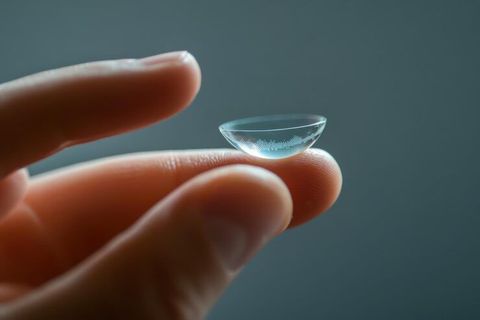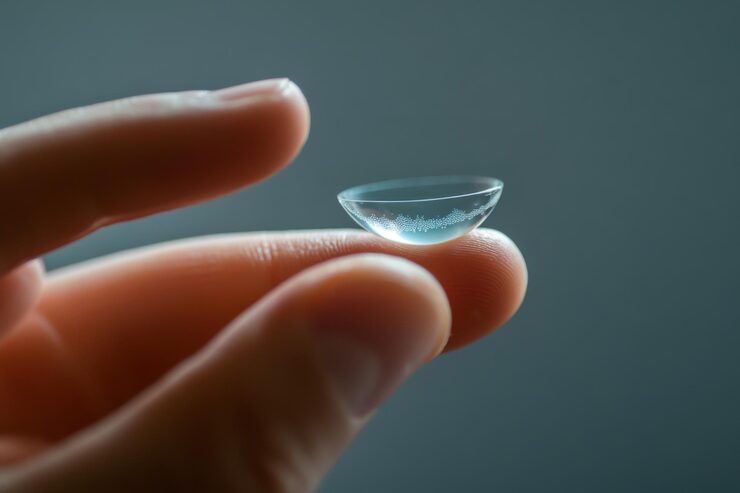
Contact lenses are thin medical devices placed directly on the surface of the eye to correct vision or, in some cases, provide cosmetic or therapeutic benefits. They are used by people with refractive errors such as nearsightedness, farsightedness, and astigmatism. Although contact lenses can provide clear vision without conventional eyeglasses, their safe use depends on appropriate fitting, hygiene, handling, and replacement.
Contact lens safety refers to the practices that reduce the risk of eye irritation, infection, corneal injury, and other complications associated with wearing lenses. These practices include washing hands before handling lenses, following the prescribed wearing schedule, using suitable cleaning products, and attending regular eye examinations.
Understanding Different Types of Contact Lenses
Contact lenses vary according to their material, intended purpose, and replacement schedule. Understanding these differences helps users follow the appropriate care instructions.
Daily disposable lenses: Designed for one day's use and discarded after removal.
Reusable soft lenses: Designed for repeated use with a specified replacement schedule and appropriate cleaning.
Rigid gas-permeable lenses: Made from firm materials that allow oxygen to reach the cornea and require specific care procedures.
Toric lenses: Designed to correct astigmatism.
Multifocal lenses: Designed to support vision at different distances.
Cosmetic contact lenses: Used to change eye appearance and may also require a prescription, even when they do not correct vision.
The correct lens depends on eye measurements, vision requirements, eye health, lifestyle, and professional assessment. Different lens types do not necessarily share the same cleaning or replacement instructions.
How Contact Lens Safety Works
Safe contact lens use combines professional guidance with consistent daily habits.
Before handling lenses, wash hands with soap and water and dry them using a clean, lint-free towel. Avoid touching lenses with unwashed hands, as microorganisms and debris can transfer to the lens and eye.
Reusable lenses should be cleaned and disinfected using the solution recommended for that lens system. Water, saliva, and homemade cleaning mixtures are not suitable substitutes for approved lens-care products.
Users should also follow the prescribed wearing schedule and avoid sleeping in lenses unless the eye care professional has specifically approved the lens and wearing arrangement.
Why Contact Lens Safety Matters
Contact lens safety is important because the cornea, the transparent front surface of the eye, requires a healthy environment to remain clear and function properly.
Contact lenses can interfere with the normal movement of oxygen and tears around the cornea. Poor hygiene, excessive wearing time, inappropriate cleaning, or sleeping in lenses can increase the risk of complications.
Preventing Eye Infections
Microorganisms can accumulate on lenses, storage cases, and hands. When contaminated lenses come into contact with the eye, they can contribute to infections, including microbial keratitis, a potentially serious corneal infection.
Important preventive habits include:
Washing and drying hands before lens handling
Using fresh disinfecting solution for reusable lenses
Never topping up old solution in a lens case
Keeping lenses away from tap water and saliva
Replacing lens cases according to professional guidance
Following the prescribed replacement schedule
Avoiding swimming or showering while wearing lenses
Water exposure deserves particular attention because certain organisms, including Acanthamoeba, can cause serious eye infections. Contact lenses should not be exposed to tap water, swimming pools, lakes, or hot tubs.
Recognizing Warning Signs
Contact lens users should remove their lenses and seek prompt professional assessment if they develop:
Eye pain or significant discomfort
Unusual redness
Sensitivity to light
Blurred or reduced vision
Excessive tearing or discharge
A persistent sensation of something inside the eye
Pain, redness, light sensitivity, or changes in vision can indicate a potentially serious problem. Lenses should not be reinserted until the issue has been assessed and appropriate guidance has been provided.
Recent Developments in Contact Lens Safety
Contact lens safety continues to receive attention from public health authorities, researchers, manufacturers, and eye care professionals.
Ongoing Emphasis on Hygiene
During 2025 and 2026, public eye health guidance continued to emphasize hand hygiene, avoiding water exposure, following replacement schedules, and recognizing symptoms of infection.
These recommendations remain important because contact lens complications are often associated with preventable handling and wearing practices. Disposable lenses can simplify some cleaning requirements, but they do not eliminate infection risk when used incorrectly.
Advances in Lens Materials
Contact lens research continues to examine oxygen permeability, surface properties, comfort, and the interaction between lens materials and the tear film.
Newer materials and lens designs may improve specific aspects of lens performance, but suitability depends on the individual eye and the intended use. A material marketed as highly breathable does not remove the need to follow prescribed wearing schedules.
Digital Eye Care and Patient Education
Digital reminders, electronic prescription records, and educational resources can help users remember replacement dates and routine eye examinations.
However, digital tools cannot independently determine whether a lens fits correctly or whether an eye has developed an infection. Symptoms still require appropriate clinical assessment.
For current safety announcements, users should consult official information from national health regulators and recognized eye care organizations.
Laws, Regulations, and Eye Care Policies
Contact lens regulations vary by country. Many jurisdictions regulate lens classification, manufacturing quality, labeling, prescription requirements, and the distribution of corrective and cosmetic lenses.
Regulations in the United States
In the United States, the Food and Drug Administration regulates contact lenses as medical devices. Contact lenses intended for vision correction or cosmetic purposes are subject to applicable federal requirements.
The FDA emphasizes that decorative lenses are not risk-free simply because they are used for appearance rather than vision correction. Incorrectly fitted or improperly handled lenses can cause corneal scratches, infections, and vision-threatening complications.
Prescription requirements and distribution rules also apply to contact lenses in the United States.
Regulations in the European Union
In the European Union, contact lenses are regulated under the Medical Device Regulation, Regulation (EU) 2017/745, according to their classification and intended purpose.
Applicable requirements address areas such as conformity assessment, safety, performance, labeling, and post-market monitoring.
Contact Lens Safety in India
In India, medical device regulation is administered through the Central Drugs Standard Control Organisation under the applicable Drugs and Cosmetics Act framework and Medical Devices Rules, 2017.
The specific regulatory requirements depend on the type of lens and its classification. Users should follow their eye care professional's instructions and obtain products through appropriate, legitimate channels.
Across jurisdictions, regulations support product safety, but they do not replace proper fitting, hygiene, and regular eye care.
Tools and Resources for Contact Lens Care
Several practical resources can help users maintain safer lens-wearing habits.
Lens Replacement Reminders
Calendar applications and reminder tools can help users track the replacement date for reusable lenses and remember when to arrange an eye examination.
Daily disposable lenses should be discarded after the intended period of use rather than stored for another day.
Contact Lens Care Checklist
| Task | Recommended Practice |
|---|---|
| Hand hygiene | Wash and dry hands before handling lenses |
| Lens cleaning | Use the recommended disinfecting solution |
| Storage | Use a clean case and fresh solution when applicable |
| Water exposure | Keep lenses away from water |
| Replacement | Follow the prescribed schedule |
| Overnight wear | Avoid unless specifically approved |
| Eye examinations | Attend appointments as recommended |
| Warning signs | Remove lenses and seek prompt assessment |
Official Health Information
The following organizations provide educational material and regulatory information:
US Food and Drug Administration: Contact lens safety and medical device information.
Centers for Disease Control and Prevention: Guidance on contact lens hygiene and infection prevention.
American Academy of Ophthalmology: Educational information about eye health and contact lens complications.
Central Drugs Standard Control Organisation: Indian medical device regulations and related guidance.
European Commission: Information about medical device legislation in the European Union.
These resources can help users distinguish established safety guidance from unsupported claims.
Frequently Asked Questions
Can contact lenses be worn while sleeping?
Sleeping in contact lenses increases the risk of eye infections, including microbial keratitis. Some lenses are approved for extended wear, but overnight use should occur only when specifically prescribed and supervised by an eye care professional.
Can contact lenses be cleaned with tap water?
No. Tap water is not an appropriate cleaning or storage medium for contact lenses. Water exposure can introduce microorganisms that may cause serious infections. Use the recommended lens-care system for reusable lenses.
How often should contact lenses be replaced?
Replacement depends on the lens type and the prescribed schedule. Daily disposable lenses are discarded after one use, while reusable lenses must be replaced according to their specified interval and professional instructions.
What should someone do if their eyes become red while wearing lenses?
Remove the lenses and avoid reinserting them. Redness accompanied by pain, light sensitivity, discharge, or blurred vision requires prompt eye care assessment because it may indicate an infection or another serious complication.
Are cosmetic contact lenses safe without a prescription?
Cosmetic lenses can still cause injury or infection if they do not fit correctly or are handled improperly. Applicable prescription and regulatory requirements vary by country, and professional fitting is important even when lenses are used only to change eye appearance.
Conclusion
Contact lens safety depends on proper fitting, consistent hygiene, appropriate cleaning, and adherence to the prescribed wearing and replacement schedule. These practices help reduce the risk of infections, corneal injury, and other complications.
Developments in lens materials and digital eye care tools continue to support improvements in contact lens management, but no lens technology eliminates the need for responsible use. Regulatory frameworks in the United States, European Union, and India also establish requirements intended to support product quality and user safety.
By following professional instructions, avoiding water exposure, recognizing warning signs, and maintaining regular eye examinations, contact lens users can make informed decisions about their eye health and reduce preventable risks.