A heart attack, medically known as a myocardial infarction, occurs when blood flow to part of the heart muscle becomes severely reduced or blocked. Without sufficient oxygen-rich blood, the affected heart muscle can begin to sustain damage. Rapid medical assessment and treatment are important because delays can increase the amount of damage.
Heart attacks can affect people of different ages and backgrounds. Although chest discomfort is the best-known warning sign, symptoms can also include shortness of breath, sweating, nausea, unusual fatigue, and discomfort in other parts of the upper body. Some people experience mild symptoms rather than sudden, severe pain.
Recognizing possible warning signs is an important part of cardiovascular health education. Understanding the symptoms can help people respond promptly instead of waiting for the condition to become more serious.
Common Heart Attack Warning Signs
Heart attack symptoms vary between individuals. They may begin suddenly or develop gradually, and they can come and go.
Common warning signs include:
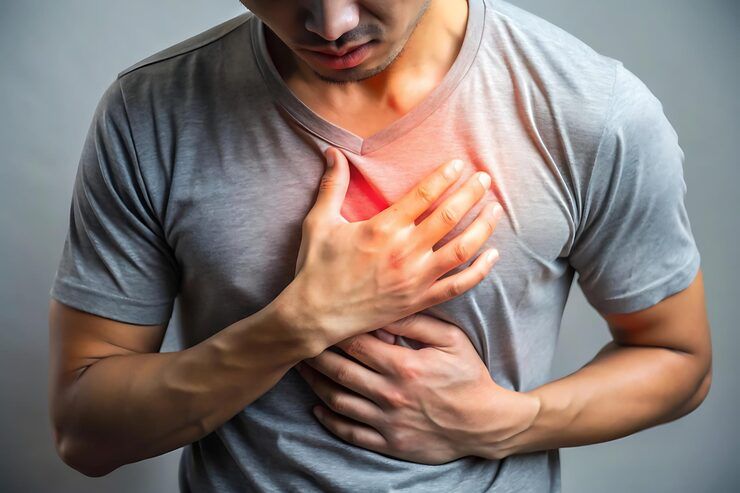
Chest discomfort: Pressure, squeezing, tightness, fullness, heaviness, or pain in the center or left side of the chest.
Pain beyond the chest: Discomfort that spreads to one or both arms, the shoulders, back, neck, jaw, or upper abdomen.
Shortness of breath: Difficulty breathing that may occur with or without chest discomfort.
Cold sweating: Unexpected sweating that occurs alongside other concerning symptoms.
Nausea or vomiting: Feeling sick to the stomach or vomiting.
Dizziness or lightheadedness: A feeling of weakness, faintness, or instability.
Unusual fatigue: Sudden or unexplained exhaustion, sometimes developing before more recognizable symptoms.
These symptoms do not always indicate a heart attack, but their sudden appearance or combination can signal a medical emergency.
Less Obvious Symptoms
Not every heart attack produces the dramatic chest pain commonly shown in films or television. Some people experience symptoms that are less specific and may initially mistake them for indigestion, muscle strain, anxiety, or ordinary tiredness.
Women can experience chest discomfort as well as shortness of breath, nausea, back or jaw discomfort, and unusual fatigue. Older adults and people with diabetes may also experience less typical symptoms.
A heart attack can sometimes occur with few noticeable symptoms. This is sometimes called a silent heart attack, although damage to the heart muscle can still occur.
It is important not to use gender, age, or symptom intensity alone to rule out a heart attack.
Heart Attack Symptoms Compared With Other Conditions
Chest discomfort can have several causes, including digestive problems, muscle injuries, lung conditions, and cardiovascular disease. Symptoms alone cannot reliably determine the cause.
| Symptom | Possible Significance | Recommended Response |
|---|---|---|
| Chest pressure with sweating | Possible heart attack | Seek emergency medical assistance |
| Chest discomfort with shortness of breath | Possible cardiac or lung emergency | Seek immediate assessment |
| Sudden weakness with faintness | Several possible causes, including a cardiac emergency | Obtain urgent medical help if severe or sudden |
| Burning after eating | May be digestive, but symptoms can overlap with cardiac problems | Seek emergency help if a heart attack is possible |
| Sudden severe chest pain with breathing difficulty | Potentially serious heart or lung condition | Call emergency services immediately |
This comparison is educational, not a diagnostic tool. A person should not delay emergency care because symptoms resemble indigestion or another less serious condition.
Why Recognizing Heart Attack Symptoms Matters
Cardiovascular diseases are the leading cause of death globally. The World Health Organization reported on July 31, 2025, that an estimated 19.8 million people died from cardiovascular diseases in 2022, representing approximately 32% of deaths worldwide. Heart attacks and strokes accounted for most of these cardiovascular deaths.
Recognizing symptoms matters because heart muscle damage can progress while a person waits for help. Prompt emergency assessment can enable clinicians to identify the cause and begin appropriate treatment.
Who May Be at Risk?
Heart attacks can occur in people with known heart disease as well as those who have not previously received a diagnosis.
Important risk factors include:
High blood pressure
High LDL cholesterol
Diabetes
Tobacco use
Physical inactivity
Excess body weight
Family history of early cardiovascular disease
Increasing age
Unhealthy dietary patterns
Certain chronic inflammatory conditions
Having one or more risk factors does not mean a heart attack will definitely occur. However, identifying and managing these factors can help reduce cardiovascular risk.
Recent Medical Developments and Guidelines
Medical guidance continues to emphasize rapid recognition, emergency response, and evidence-based treatment for acute coronary syndromes, a group of conditions that includes heart attacks.
Updated Heart Attack Treatment Guidance
On February 27, 2025, the American Heart Association published information accompanying its 2025 acute coronary syndromes guideline. The guidance emphasizes recognizing chest discomfort, shortness of breath, nausea, lightheadedness, and pain affecting the arms, back, neck, or jaw.
It also highlights the importance of rapid emergency assessment and appropriate treatment to reduce complications.
Emergency Response Awareness
In an April 15, 2025, article, the American Heart Association emphasized calling emergency medical responders rather than attempting to drive oneself to a hospital when heart attack or stroke symptoms occur.
Emergency personnel can assess a person's condition and begin appropriate care before arrival at the hospital. They can also respond if the person develops a life-threatening rhythm disturbance or cardiac arrest during transport.
Global Cardiovascular Prevention
The World Health Organization's July 2025 cardiovascular disease fact sheet reiterated the importance of early detection, blood pressure management, healthy dietary patterns, physical activity, and tobacco control.
These measures are relevant to heart attack prevention because coronary artery disease can develop over many years before an acute event occurs.
Laws, Policies, and Emergency Response
Heart attack care is influenced by national emergency systems, public health programs, hospital protocols, and clinical guidelines. The exact arrangements differ between countries.
Emergency Medical Response in India
India's Emergency Response Support System uses 112 as its nationwide emergency number for police, fire, health, and other emergencies.
If a person experiences possible heart attack symptoms in India, calling 112 is an important way to request emergency assistance. People should explain the symptoms clearly and provide their location. They should follow the emergency operator's instructions and avoid delaying the call to search for additional information.
Clinical Guidelines and Hospital Care
Medical professionals use established clinical guidelines to assess suspected heart attacks. Hospital assessment may include an electrocardiogram (ECG), blood tests for cardiac biomarkers such as troponin, monitoring, and other investigations.
The treatment depends on the type of heart attack, the timing of symptoms, the patient's condition, and the availability of appropriate facilities.
Public information should not replace clinical assessment. A person experiencing possible heart attack symptoms should not attempt to diagnose the condition using an online checklist.
Public Health and Prevention Programs
Government health programs may support cardiovascular screening, tobacco control, hypertension management, diabetes detection, and public awareness.
The World Health Organization encourages countries to strengthen prevention and management of cardiovascular diseases, particularly through early detection and access to appropriate treatment.
Tools and Resources for Heart Health
Reliable health information and emergency planning can help people understand cardiovascular risks and recognize when medical attention is necessary.
Heart Health Information
The following resources provide educational information about heart attack symptoms, risk factors, and prevention:
World Health Organization: Global cardiovascular disease information and prevention guidance.
American Heart Association: Heart attack warning signs, emergency response information, and heart health education.
India Emergency Response Support System: Information about the nationwide 112 emergency number.
Local hospitals and public health authorities: Information about cardiac assessment, emergency departments, and cardiovascular prevention programs.
These resources are intended to support health education, not replace emergency medical evaluation.
Useful Health Measurements
Regular medical assessments can help identify risk factors before symptoms develop.
| Measurement | What It Helps Assess |
|---|---|
| Blood pressure | Risk associated with hypertension |
| LDL cholesterol | Cholesterol-related cardiovascular risk |
| Blood glucose or HbA1c | Diabetes and blood sugar control |
| Body weight and waist measurement | Certain weight-related risk factors |
| Smoking history | Tobacco-related cardiovascular risk |
| Family medical history | Potential inherited risk patterns |
The meaning of each result depends on a person's age, medical history, and other clinical factors. A healthcare professional can interpret the findings and determine appropriate next steps.
Preparing for an Emergency
A simple emergency plan can help reduce confusion during a suspected heart attack.
Know the local emergency number.
Keep essential medical information accessible.
Know the names of prescribed medicines and relevant allergies.
Explain the symptoms and when they began to emergency responders.
Follow professional instructions while waiting for help.
If the person becomes unresponsive and is not breathing normally, begin CPR and use an automated external defibrillator (AED) if available, following emergency dispatcher instructions.
Frequently Asked Questions
What is the most common warning sign of a heart attack?
Chest discomfort is a common warning sign. It may feel like pressure, squeezing, tightness, fullness, or pain. However, some heart attacks cause symptoms such as shortness of breath, nausea, unusual fatigue, or discomfort in the back, neck, jaw, or arms.
Can a heart attack occur without severe chest pain?
Yes. Some people experience mild discomfort, less typical symptoms, or very few noticeable symptoms. The absence of severe chest pain does not rule out a heart attack.
How long can heart attack warning signs last?
Symptoms can persist for several minutes, disappear and return, or develop gradually. There is no reliable duration that distinguishes a harmless symptom from a heart attack. Seek emergency assistance immediately when a heart attack is suspected rather than waiting to see whether symptoms resolve.
What should someone do if they suspect a heart attack?
Call the local emergency number immediately and follow the operator's instructions. Do not drive yourself to the hospital. If the person becomes unresponsive and is not breathing normally, begin CPR and use an AED if available.
Can heart attacks be prevented?
Not every heart attack can be prevented, but cardiovascular risk can often be reduced. Measures include avoiding tobacco, managing blood pressure and cholesterol, controlling diabetes, maintaining physical activity, following a balanced diet, and taking prescribed medication as directed.
Conclusion
Heart attack warning signs can vary from person to person. Chest pressure, shortness of breath, sweating, nausea, dizziness, and discomfort in the arms, back, neck, or jaw may all indicate a serious cardiovascular problem.
Recognizing these symptoms and responding quickly can help reduce delays in medical care. Emergency assessment is important even when symptoms are mild, unusual, or intermittent.
Long-term prevention also matters. Monitoring blood pressure, cholesterol, and blood glucose, together with appropriate lifestyle changes and medical care, can help reduce cardiovascular risk.
The most important principle is straightforward: if a heart attack is suspected, seek emergency medical assistance immediately rather than waiting for symptoms to become severe.