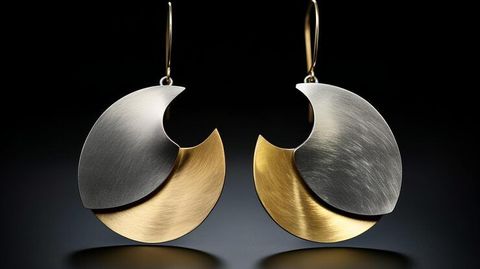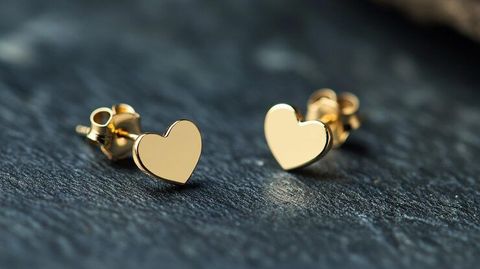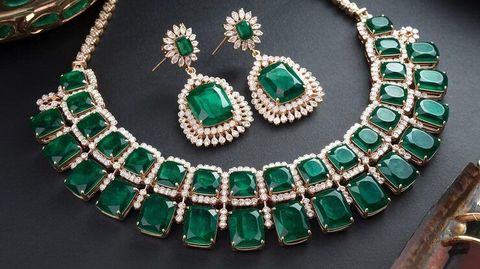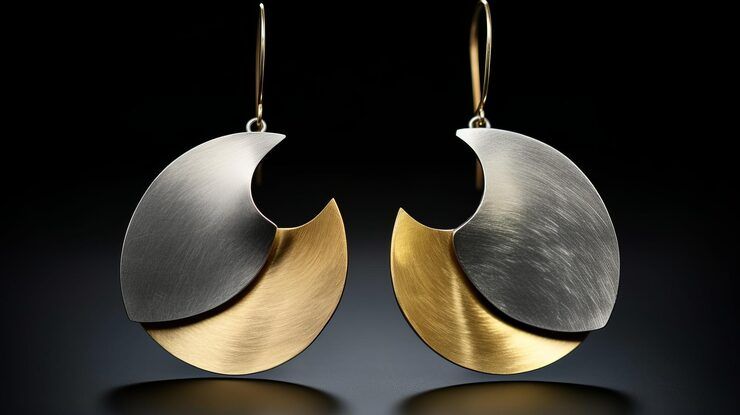
Dual tone metal jewellery combines two different metal colours within a single piece of jewellery. Common combinations include yellow gold and white gold, silver and gold, rose gold and white gold, and contrasting finishes on the same metal surface. These designs create visual contrast while allowing jewellery to coordinate with different clothing styles, accessories, and other pieces.
Dual tone jewellery appears in rings, necklaces, bracelets, earrings, pendants, watches, and decorative accessories. Depending on the design, the two colours may be arranged in separate sections, woven together, layered, or incorporated into geometric patterns.
The appearance of dual tone jewellery depends on the base metal, surface treatment, alloy composition, and manufacturing technique. Understanding these characteristics helps explain the differences between solid precious-metal jewellery, plated designs, and jewellery made from mixed materials.
Understanding Dual Tone Jewellery Materials
Dual tone jewellery can be created using several materials and manufacturing methods. The appearance alone does not establish the metal's purity or composition.
Common materials include:
Yellow gold: Provides a warm golden colour and is commonly alloyed with other metals for strength.
White gold: Gold combined with other metals to produce a lighter appearance, sometimes finished with rhodium plating.
Rose gold: A gold alloy containing copper, which creates a pink or reddish tone.
Sterling silver: An alloy containing 92.5% silver by mass, commonly used for jewellery.
Stainless steel: A durable metal used in contemporary jewellery designs.
Gold-plated metals: Base metals or other substrates covered with a layer of gold.
Mixed metal constructions: Pieces made by combining separate metal components or alloys.
A design combining yellow gold and white gold can create two distinct colours without relying on surface plating, provided both sections are made from their respective gold alloys. Other designs achieve a similar appearance through plating or surface finishing.
Common Dual Tone Jewellery Designs
Dual tone jewellery is available in many forms, each using colour contrast differently.
Rings: Two-tone rings may combine gold colours in interlocking bands, twisted patterns, or contrasting edges. Wedding bands and other ring designs often use this approach to create visual variation.
Necklaces and pendants: Chains may combine different metal colours, while pendants can feature a contrasting central element, border, or decorative pattern.
Bracelets: Linked metal components, alternating sections, and mixed finishes can produce a layered appearance without requiring multiple separate accessories.
Earrings: Dual tone earrings can combine contrasting hoops, geometric shapes, polished surfaces, or decorative metal sections.
Watches: Watch cases, bracelets, bezels, and crowns may use different metal colours to create a coordinated design.
Why Dual Tone Metal Jewellery Matters
Dual tone jewellery offers flexibility because one piece can incorporate colours traditionally associated with different jewellery styles. This makes it useful for people who prefer to coordinate accessories without restricting themselves to a single metal colour.
Versatility and Personal Style
Gold-coloured jewellery is often associated with warm tones, while silver-coloured jewellery creates a cooler visual effect. Combining these colours can help bridge the difference between the two styles.
Dual tone designs can also coordinate with mixed metal watches, rings, bracelets, and necklaces. The result depends on the proportions, surface finish, and arrangement of the materials.
Design and Manufacturing Considerations
Manufacturers must account for differences in hardness, melting behaviour, expansion, and wear resistance when joining different metals.
Some pieces use soldering, welding, mechanical connections, or separate components assembled during manufacturing. Plated jewellery requires additional attention to coating thickness, surface preparation, and adhesion.
The final design should balance appearance with structural integrity, particularly where different metal sections meet or where jewellery experiences repeated friction.
Comparing Common Materials
| Material | Appearance | Important Consideration |
|---|---|---|
| Yellow gold | Warm golden colour | Purity and alloy composition |
| White gold | Silvery-white appearance | Alloy composition and possible rhodium coating |
| Rose gold | Pink or reddish colour | Copper content and alloy formulation |
| Sterling silver | Bright silver appearance | Tarnishing and maintenance |
| Stainless steel | Silver-grey appearance | Grade and surface finish |
| Gold-plated metal | Gold-coloured surface | Coating thickness and wear |
These materials have different properties, and their suitability depends on the intended design and how the jewellery will be worn.
Recent Developments and Design Trends
During 2025 and 2026, jewellery design continued to include mixed metals, sculptural forms, contrasting finishes, and combinations of traditional and contemporary materials. Dual tone designs fit into this broader interest in jewellery that combines different colours and textures.
Mixed Metal Styling
Combining gold and silver colours has become an established styling approach rather than a strict exception to traditional matching rules. Contemporary jewellery styling often uses mixed metal rings, layered necklaces, and coordinated bracelets to create a unified appearance.
Designers may use one metal colour as the main structure and the second as a smaller accent. Other pieces divide the two colours more evenly to create a stronger contrast.
Geometric and Minimalist Designs
Geometric shapes, clean lines, and sculptural forms remain common approaches in contemporary jewellery. Dual tone finishes can make these shapes more visually distinct without requiring additional gemstones or decorative elements.
Examples include interlocking circles, twisted bands, asymmetrical earrings, and bracelets with alternating polished and matte sections.
Material Transparency and Durability
Consumers and manufacturers are also paying attention to material composition, responsible sourcing, repairability, and product longevity.
For dual tone jewellery, these considerations include identifying the base metal, understanding whether a surface is plated, and determining whether individual components can be repaired or refinished.
Because jewellery trends vary across regions and designers, no single style represents the entire international market.
Jewellery Laws, Hallmarks, and Consumer Protection
Jewellery regulations differ by country. Rules may cover precious-metal purity, hallmarking, product descriptions, advertising claims, and disclosure of plated materials.
Precious Metal Hallmarking
Hallmarking systems help identify the purity of precious metals. In countries with established hallmarking frameworks, jewellery may carry marks indicating gold or silver fineness and information about the responsible manufacturer or testing authority.
For example, India's Bureau of Indian Standards operates a hallmarking framework for gold jewellery and artefacts. Applicable requirements can depend on the product category and current regulations.
Consumers should check the relevant national hallmarking authority when evaluating precious-metal jewellery. A colour combination alone does not prove that a piece contains solid gold or silver.
Metal Composition and Plating
Product descriptions should accurately distinguish solid precious metal, metal alloys, plated surfaces, and base-metal construction.
Gold plating consists of a layer of gold deposited onto another material. Its durability depends on factors including coating thickness, surface preparation, friction, and exposure to chemicals.
White gold may also have a rhodium surface coating, which can gradually wear with use. These differences matter when evaluating the long-term appearance and maintenance requirements of a piece.
Nickel Sensitivity
Some jewellery alloys contain nickel, which can cause allergic contact dermatitis in sensitive individuals. Nickel restrictions apply to certain jewellery and items that contact the skin in jurisdictions such as the European Union.
People with known metal sensitivities should review the material composition and relevant product disclosures rather than relying on colour or appearance alone.
Tools and Resources for Jewellery Selection
Several resources can help people compare dual tone jewellery materials and understand their care requirements.
Hallmark Verification
National hallmarking authority websites can provide information about precious-metal purity marks, applicable standards, and verification procedures.
When assessing a piece, examine its hallmark and documentation where available. If composition remains uncertain, an appropriately qualified jeweller or testing laboratory may be able to assess the material.
Jewellery Care Resources
Manufacturer care instructions can help determine which cleaning methods are appropriate for a particular combination of metals and coatings.
Useful care practices include:
Removing jewellery before swimming or using household chemicals.
Avoiding abrasive cleaners on plated surfaces.
Storing separate pieces to reduce scratching.
Keeping jewellery away from unnecessary moisture.
Following material-specific cleaning instructions.
Arranging professional inspection when settings or joints become loose.
Different metals and coatings may require different treatments, so one cleaning method is not appropriate for every dual tone design.
Design and Style Planning
Digital jewellery catalogues and design applications can help compare metal colours, proportions, shapes, and finishes.
When evaluating a design, consider the dominant metal colour, the amount of contrast, the intended occasion, and compatibility with existing accessories.
Frequently Asked Questions
What is dual tone metal jewellery?
Dual tone metal jewellery combines two metal colours in a single piece. Common examples include yellow gold with white gold, gold with silver, and rose gold with a contrasting metal finish.
Does dual tone jewellery always contain two precious metals?
No. Some pieces combine two precious-metal alloys, while others use plating, stainless steel, or a base metal with contrasting finishes. Material descriptions and appropriate hallmarks help clarify the composition.
Does gold plating wear away?
Yes. Gold plating can gradually wear through friction, repeated use, chemical exposure, and cleaning. The rate depends on coating thickness, construction, and wearing conditions.
How should dual tone jewellery be cleaned?
Cleaning depends on the materials and finishes. A soft cloth and appropriate jewellery-cleaning method may be suitable for some pieces, but plated jewellery and delicate coatings may require special care. Follow the manufacturer's instructions.
Can gold and silver jewellery be worn together?
Yes. Gold and silver colours can be combined to create a coordinated mixed metal style. Repeating one or both colours across rings, necklaces, bracelets, or watches can help create a visually consistent arrangement.
Conclusion
Dual tone metal jewellery combines contrasting colours, materials, and finishes to create versatile designs across rings, necklaces, bracelets, earrings, and watches. Its appearance can result from two precious-metal alloys, mixed metal components, plating, or contrasting surface treatments.
Understanding these differences is important when evaluating durability, maintenance, material purity, and long-term appearance. Hallmarks, accurate product descriptions, and suitable care practices can help clarify what a piece contains and how it should be maintained.
As jewellery design continues to incorporate mixed metals, geometric forms, and varied finishes, dual tone pieces remain a practical way to combine different colour preferences within one design. The most suitable choice depends on material composition, construction quality, personal style, and intended use.