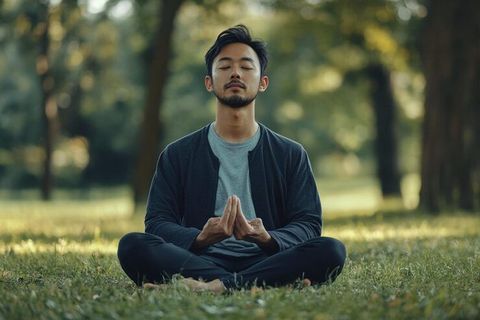
Mindfulness meditation is a practice that involves paying attention to the present moment with openness and without immediately judging thoughts, feelings, or physical sensations. It commonly involves observing the breath, noticing bodily sensations, listening to surrounding sounds, or recognizing thoughts as they arise.
The practice has roots in several contemplative traditions and is now also used in secular education, healthcare research, workplace wellness, and personal development. Modern mindfulness programs often focus on attention, awareness, and the relationship between thoughts and reactions.
Mindfulness does not require a particular religious belief or a completely empty mind. Instead, the aim is to notice what is happening in the present moment and gently return attention when it wanders.
Understanding Mindfulness Meditation
During a mindfulness exercise, a person might sit comfortably, focus on breathing, and observe the sensations associated with each inhalation and exhalation. When attention shifts toward a memory, concern, or plan, the person notices the distraction and redirects attention without self-criticism.
This process is repeated throughout the practice. The purpose is not to prevent thoughts from occurring but to develop a more deliberate relationship with them.
Common forms include:
Breath awareness: Observing natural breathing without trying to control it.
Body scan meditation: Paying attention to sensations in different parts of the body.
Mindful walking: Noticing movement, balance, surroundings, and contact with the ground.
Open awareness: Observing thoughts, sounds, and sensations without focusing exclusively on one object.
Mindful daily activities: Paying attention while eating, washing dishes, or completing routine tasks.
Guided meditation: Following spoken instructions that help structure a practice.
People may practice independently, use recorded guidance, or participate in structured mindfulness programs.
How a Typical Session Works
A beginner's session can last between five and ten minutes. A quiet environment may help, but complete silence is not necessary.
A simple session usually follows these steps:
Sit in a stable, comfortable position.
Notice the natural rhythm of breathing.
Observe thoughts and sensations without trying to eliminate them.
When attention wanders, gently return to the breath.
End by noticing how you feel before resuming normal activities.
Consistency is generally more practical than trying to meditate for a long period immediately. The duration can gradually increase according to individual comfort and preference.
Why Mindfulness Meditation Matters
Mindfulness meditation has attracted attention because it provides a structured way to practice attention and awareness amid everyday demands.
Modern routines can involve frequent notifications, competing responsibilities, screen exposure, and limited opportunities for uninterrupted reflection. Mindfulness offers a way to pause and notice experiences before responding automatically.
Stress Management and Emotional Awareness
Research suggests that some mindfulness-based programs can help reduce perceived stress and may improve symptoms of anxiety or depression for certain people. Results vary according to the program, individual circumstances, and quality of the research.
Mindfulness is not a guaranteed solution to emotional difficulties, and it does not replace appropriate medical or psychological care.
Attention and Everyday Activities
Mindfulness exercises encourage people to recognize when attention has shifted away from the task at hand. Returning attention to breathing or another chosen focus provides an opportunity to practice deliberate attention.
Some people use these techniques before studying, during breaks, or when transitioning between activities. However, evidence does not establish that mindfulness improves every type of cognitive performance for every individual.
Sleep and Relaxation
Relaxation-oriented mindfulness practices may help some people settle before bedtime by directing attention away from repetitive thoughts and toward present sensations.
Sleep outcomes vary, and meditation alone may not resolve persistent sleep difficulties. Ongoing sleep problems can have multiple causes and may require professional assessment.
Potential Benefits and Limitations
| Area | Potential Contribution | Important Limitation |
|---|---|---|
| Stress management | May reduce perceived stress | Effects vary among individuals |
| Emotional awareness | Encourages recognition of thoughts and feelings | Difficult emotions may still occur |
| Attention | Practices returning focus to a chosen object | Does not guarantee better concentration |
| Sleep | May support relaxation before bedtime | Not a substitute for assessment of persistent sleep problems |
| Daily routines | Encourages intentional pauses | Benefits depend on context and individual response |
Recent Developments in Mindfulness Research
Mindfulness research continues to examine how meditation affects psychological well-being, healthcare outcomes, digital wellness, and everyday functioning.
Research on Mental Health
During 2025 and 2026, mindfulness-based approaches continued to be discussed in clinical research and mental health guidance. Researchers have focused on the effectiveness of structured programs, differences between meditation techniques, and the people most likely to benefit.
Mindfulness-based cognitive therapy and mindfulness-based stress reduction are established examples of structured programs that combine meditation exercises with education and guided practice.
These approaches differ from simply listening to a short meditation recording. Structured programs typically involve multiple sessions, regular exercises, and guidance from trained instructors.
Digital Meditation Tools
Digital mindfulness applications and guided audio programs have become common ways to organize personal practice. These tools can provide breathing exercises, timed sessions, reminders, progress tracking, and structured learning plans.
Research into digital mindfulness continues to examine engagement, accessibility, program quality, and whether improvements in self-reported well-being persist over time.
A digital application should be considered a practice aid rather than proof that a particular technique will produce a specific health outcome.
Greater Attention to Meditation Safety
Recent discussions in meditation research have also emphasized that experiences differ between individuals. Although many people find mindfulness manageable, some may experience discomfort, increased anxiety, or difficult memories during meditation.
Researchers and practitioners increasingly recognize the importance of appropriate instruction, individual choice, and adapting exercises when necessary.
People who experience distress during practice can stop, open their eyes, move around, or switch to a grounding activity. Professional guidance may be appropriate if difficult reactions persist.
Laws, Policies, and Professional Guidance
Mindfulness meditation is practiced internationally, and the rules surrounding it depend on the country, the setting, and the claims made about a particular program.
Healthcare and Mental Health Regulations
In countries such as the United States, meditation itself is generally a personal or educational practice. However, healthcare providers and organizations that advertise treatment for medical conditions may be subject to applicable professional, consumer-protection, and advertising rules.
For example, health-related advertising must not make deceptive or unsupported claims. Statements that mindfulness cures a disease or guarantees a particular mental health outcome can be misleading without appropriate evidence.
In India, healthcare-related activities are subject to applicable national and state laws, professional requirements, and consumer-protection rules. Mindfulness education should be distinguished from regulated clinical assessment and treatment.
Workplace and Educational Programs
Organizations may incorporate mindfulness exercises into wellness initiatives, classrooms, or employee development activities.
Participation arrangements should respect applicable workplace policies, privacy requirements, and individual choice. Mindfulness should not be presented as a replacement for appropriate organizational measures addressing excessive workloads, unsafe conditions, or other underlying problems.
Evidence-Based Practice
Public health and mental health information should distinguish between potential benefits supported by research and claims that remain uncertain.
Mindfulness programs vary in content, duration, instructor training, and intended purpose. People seeking help for persistent psychological symptoms should consider evidence-based professional guidance rather than relying exclusively on meditation.
Tools and Resources for Mindfulness Meditation
Several resources can help people understand meditation techniques and develop a routine that suits their circumstances.
Guided Meditation Applications
Meditation applications commonly include guided breathing, body scans, timed sessions, sleep-oriented exercises, and introductory courses.
When evaluating an application, consider:
The qualifications of its instructors
The clarity of its instructions
Privacy and data-handling practices
Accessibility features
The ability to adjust session length
Whether progress tracking is optional
A complicated tracking system is not necessary for mindfulness practice.
Public Health and Research Resources
Government health agencies, universities, and established research organizations publish educational information about meditation and mental well-being.
These resources can help readers understand what studies show, how mindfulness programs are structured, and where the evidence remains limited.
Simple Daily Practice Planner
A basic weekly schedule can help establish a manageable routine without making meditation feel like an obligation.
| Day | Suggested Practice | Duration |
|---|---|---|
| Monday | Breath awareness | 5 minutes |
| Tuesday | Body scan | 5–10 minutes |
| Wednesday | Mindful walking | 10 minutes |
| Thursday | Breath awareness | 5–10 minutes |
| Friday | Guided meditation | 10 minutes |
| Saturday | Mindful daily activity | 5–10 minutes |
| Sunday | Choose a comfortable practice | Flexible |
This is an example rather than a prescribed program. People can change the activities, shorten sessions, or take breaks according to their needs.
A Simple Mindfulness Journal
A short journal entry after meditation may include:
Which technique was practiced
How long the session lasted
What kinds of distractions appeared
Whether the exercise felt comfortable
What might be adjusted next time
The purpose is to observe patterns, not to judge performance or force a particular emotional response.
Frequently Asked Questions
What is mindfulness meditation?
Mindfulness meditation is a practice of paying attention to present-moment experiences, such as breathing, thoughts, and physical sensations, with openness and without immediate judgment.
How long should beginners meditate?
Beginners may start with five minutes and increase the duration if comfortable. There is no single session length that is appropriate for everyone.
Can mindfulness meditation reduce stress?
Research indicates that some mindfulness-based programs can reduce perceived stress for certain people. Results vary, and meditation is not a guaranteed treatment for stress-related or mental health conditions.
Is mindfulness meditation suitable for everyone?
Many people can practice mindfulness, but experiences differ. Some individuals may find particular exercises uncomfortable or distressing. Shorter sessions, alternative techniques, or guidance from a qualified professional may be appropriate.
Is guided meditation different from mindfulness meditation?
Guided meditation uses spoken instructions to structure a session. Mindfulness meditation describes the practice of present-moment awareness. A guided session can therefore be a form of mindfulness meditation, depending on its content.
Conclusion
Mindfulness meditation provides a structured way to practice present-moment awareness through breathing, body scans, mindful walking, and other exercises. It can help some people manage perceived stress, recognize emotional responses, and develop more deliberate daily routines.
Research continues to investigate the benefits and limitations of mindfulness-based programs, including their role in mental health, digital wellness, and relaxation. Results depend on individual circumstances, the technique used, and the structure of the program.
A practical approach is to begin with a short, comfortable exercise and adjust the routine according to personal experience. Mindfulness should remain a flexible practice rather than a performance target, and it should complement rather than replace appropriate professional care when health concerns require attention.