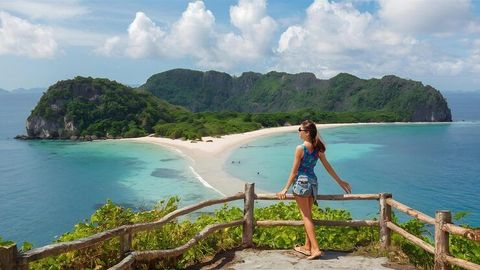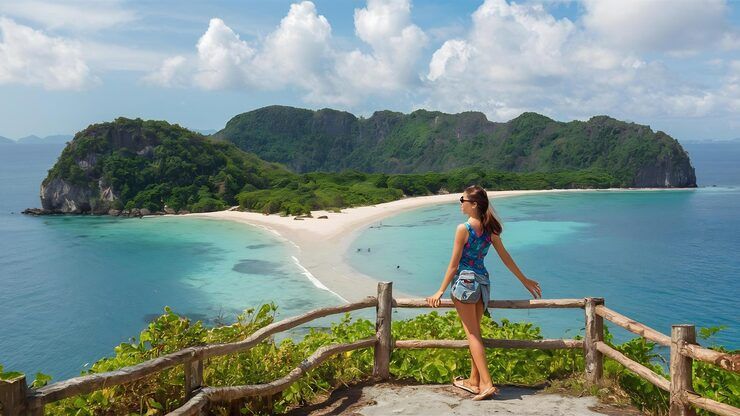
Malaysian island hopping is a travel activity that involves visiting multiple islands during one trip, usually by boat. Malaysia has coastlines along the South China Sea, the Strait of Malacca, and the Andaman Sea, creating opportunities to explore tropical beaches, coral reefs, fishing villages, rainforests, and marine parks.
The country's islands differ in landscape, accessibility, and visitor activities. Langkawi is known for its distinctive rock formations and coastal scenery, while the Perhentian Islands attract visitors interested in snorkeling and marine life. Redang is recognized for its clear waters and coral reefs, and the islands around Semporna in Sabah provide access to remarkable marine environments.
Popular Island-Hopping Destinations
Island experiences vary by location, weather, conservation rules, and the time of year.
Langkawi: An archipelago in northwestern Malaysia with beaches, limestone formations, mangroves, and boat excursions.
Perhentian Islands: Located off Terengganu, these islands are known for snorkeling, diving, and coastal scenery.
Redang Island: A marine destination with coral reefs, sandy beaches, and designated conservation areas.
Tioman Island: Located off the east coast of Peninsular Malaysia, Tioman combines rainforest landscapes with snorkeling and diving opportunities.
Pangkor Island: An island on the western coast known for fishing communities, beaches, and a more relaxed coastal atmosphere.
Semporna Islands: Islands and marine environments around Sabah, including destinations such as Mabul and Mataking, are popular for underwater exploration.
Each destination offers a different experience. Choosing suitable islands depends on travel time, boat connections, preferred activities, weather conditions, and environmental restrictions.
Why Malaysian Island Hopping Matters
Island hopping supports tourism, local livelihoods, cultural exchange, and awareness of marine conservation. It allows travelers to experience several coastal environments within one journey rather than remaining at a single destination.
Benefits for Travelers and Local Communities
Travelers can explore different landscapes, learn about island communities, and participate in outdoor activities. Local residents may benefit from visitor spending on accommodation, boat transport, food, cultural experiences, and locally produced goods.
Island tourism also creates opportunities to understand Malaysia's maritime heritage. Fishing traditions, traditional boat designs, regional cuisines, and village lifestyles contribute to the character of individual destinations.
The activity can also encourage environmental awareness. Guided snorkeling trips and marine education programs help visitors understand coral reef ecosystems, sea turtles, tropical fish, and the importance of protecting coastal habitats.
Choosing the Right Island Experience
Different destinations suit different travel interests.
For families: Consider islands with suitable accommodation, accessible beaches, and manageable boat journeys.
For snorkeling enthusiasts: Explore destinations known for shallow coral reefs and clear water when conditions permit.
For scuba diving: Research diving sites, certification requirements, and local marine protection rules.
For nature enthusiasts: Consider mangrove ecosystems, forest trails, birdwatching, and coastal wildlife.
For cultural experiences: Look for islands with established fishing communities and opportunities to learn about local traditions.
Before planning several stops, check the distance between islands. Some archipelagos are easy to explore within a day, while destinations in different regions of Malaysia may require separate transport arrangements.
Recent Developments in Malaysian Island Tourism
Malaysian island tourism continued to evolve during 2025 and 2026, with attention to seasonal reopening, environmental protection, visitor management, and sustainable tourism.
Mersing Island Tourism Reopened in April 2026
On April 6, 2026, reports confirmed that island tours, snorkeling, and scuba diving in the waters around Mersing, Johor, had resumed following the northeast monsoon season. Authorities also highlighted visitor management measures designed to protect marine environments.
Reported measures included daily limits on boat operations during different periods, rotation arrangements for selected islands, and reminders to use licensed operators. Visitors should verify the latest local restrictions because approved destinations and operating arrangements may change.
Marine Park Waste Rules in 2026
A requirement announced in November 2025 called for visitors to Malaysia's marine parks to take their rubbish back to land from January 1, 2026. The measure aims to reduce plastic pollution and protect marine habitats.
In June 2026, Malaysia's Fisheries Department also promoted reducing single-use plastics at marine parks. These initiatives reflect growing attention to responsible visitor behavior and the management of waste in sensitive coastal environments.
Tourism Growth and Conservation
Malaysia's tourism industry continued to expand in 2025. National tourism statistics released in September 2026 reported that the tourism industry generated RM323 billion in value added, representing 15.9% of the country's gross domestic product for 2025.
Although this figure covers the wider tourism industry rather than island hopping alone, it illustrates the importance of tourism to the national economy. Managing visitor numbers and protecting natural attractions remain important considerations for destinations that depend on healthy marine ecosystems.
Laws, Policies, and Travel Requirements
Island hopping in Malaysia is affected by marine conservation laws, protected-area rules, immigration requirements, and local boating regulations. Travelers should understand the rules that apply to each destination before boarding a boat or entering a protected area.
Marine Parks and Conservation Charges
Malaysia's Department of Fisheries manages marine parks and marine conservation activities in designated waters. These protected areas aim to preserve coral reefs, marine habitats, and aquatic wildlife.
Visitors to covered marine parks are generally required to pay a conservation charge. The published rates for Peninsular Malaysia's federal marine parks and certain other covered areas distinguish between Malaysian identity card holders and other visitors.
The applicable charge may depend on visitor category and location. Sabah and Sarawak have separate protected-area arrangements, so their requirements should be checked independently.
Environmental Rules for Visitors
Visitors should follow the regulations and instructions issued by park authorities. Common marine conservation practices include:
Avoid touching, standing on, or collecting coral.
Do not disturb, chase, feed, or capture marine wildlife.
Never leave rubbish on beaches or in the water.
Follow designated snorkeling, diving, and boat passage areas.
Respect fishing restrictions and protected zones.
Use designated mooring locations rather than anchoring on coral reefs.
Some activities may be prohibited entirely within particular protected areas. Rules should be confirmed locally rather than assumed to be identical across all Malaysian islands.
Entry Requirements and Maritime Safety
International visitors should check Malaysia's current passport, visa, and arrival documentation requirements before traveling. Requirements vary according to nationality and immigration status.
Boat passengers should use appropriate safety equipment, follow crew instructions, and check weather conditions before departure. During rough seas or monsoon periods, departures may be delayed, routes changed, or excursions suspended.
Travelers visiting eastern Sabah should also review current security advisories for islands and maritime areas, as guidance may differ by location.
Tools and Resources for Planning an Island-Hopping Trip
Careful planning helps travelers select suitable islands, understand transportation options, and avoid unnecessary disruption.
Useful Planning Tools
Digital maps: Help estimate distances between jetties, islands, accommodation areas, and airports.
Weather forecast apps: Provide forecasts for rainfall, wind, and storms that can affect boat journeys.
Marine weather forecasts: Help travelers understand sea conditions and possible travel disruptions.
Offline navigation maps: Provide useful reference information where mobile coverage is limited.
Travel itinerary templates: Help organize boat departures, accommodation dates, planned activities, and return journeys.
Packing checklists: Help prepare essentials such as sun protection, drinking water, suitable footwear, and reusable containers.
Snorkeling and diving checklists: Help travelers confirm equipment requirements, safety procedures, and relevant qualifications.
Example Three-Day Island-Hopping Itinerary
The following is an illustrative plan for the Langkawi archipelago. Actual routes, departure times, and available activities depend on weather and local arrangements.
Day | Suggested activities | Planning focus |
|---|---|---|
Day 1 | Explore Langkawi's coastline and nearby islands | Boat arrangements and weather |
Day 2 | Visit selected beaches and explore coastal scenery | Swimming conditions and environmental rules |
Day 3 | Explore mangroves or local cultural attractions | Return transport and departure timing |
Keep the itinerary flexible. Avoid scheduling a critical flight immediately after a boat excursion because weather-related delays can affect connections.
Frequently Asked Questions
What is the best time for Malaysian island hopping?
The suitable period depends on the destination. Islands on the east coast of Peninsular Malaysia, including Perhentian and Redang, are generally more accessible during the drier months outside the main northeast monsoon period. Langkawi and other western coastal destinations follow different seasonal patterns. Always check local forecasts and operating schedules.
How many islands can travelers visit in one day?
The number depends on the distance between islands, boat schedules, sea conditions, and the time available at each stop. Two or three nearby islands may be manageable on some excursions, but a slower itinerary can provide more time for swimming, snorkeling, and exploring.
Is island hopping suitable for families with children?
It can be suitable when the route, boat conditions, and activities match the children's ages and abilities. Families should confirm life jacket availability, journey duration, toilet access, shade, and swimming conditions before departure.
Are marine park conservation charges required?
Visitors to covered marine parks are generally required to pay the applicable conservation charge. Rates and exemptions depend on visitor category and location. Some protected areas have separate admission, permit, or activity requirements.
What should travelers bring on an island-hopping trip?
Useful items include drinking water, sun protection, a reusable water bottle, suitable footwear, a waterproof bag, personal medication, and a change of clothing. Bring only essential belongings and take all rubbish back to designated disposal facilities on land.
Conclusion
Malaysian island hopping offers an opportunity to explore tropical beaches, coral reefs, mangroves, coastal communities, and diverse marine environments. Destinations such as Langkawi, Perhentian, Redang, Tioman, Pangkor, and the islands around Semporna each provide different experiences.
A successful trip depends on selecting suitable destinations, understanding seasonal weather, planning reliable transport, and following local conservation requirements. Recent developments also highlight the importance of managing visitor numbers and reducing waste in protected marine environments.
By combining practical preparation with responsible travel habits, visitors can enjoy Malaysia's island landscapes while helping protect the natural and cultural resources that make these destinations distinctive.