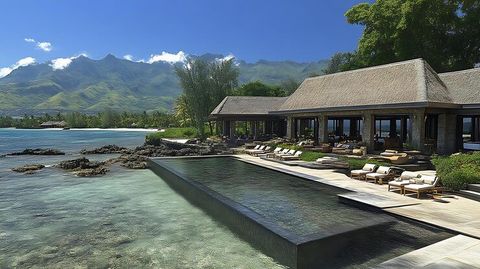
A 5-star resort escape is a holiday experience centered on high-quality accommodation, carefully designed surroundings, recreational facilities, and attentive hospitality. These resorts may be located beside beaches, among mountain landscapes, on tropical islands, near historic cities, or within peaceful countryside settings. They generally combine overnight accommodation with dining, leisure activities, wellness facilities, and opportunities to explore the surrounding destination.
The meaning of a five-star rating varies across countries and rating organizations. Some destinations use formal classification systems, while others rely on independent assessment programs or hospitality industry standards. Therefore, a five-star designation does not guarantee identical facilities or experiences at every property.
Common Features of Luxury Resorts
Five-star resorts often provide a combination of accommodation, recreation, dining, and personalized guest experiences. Their facilities depend on their location, size, design, and intended audience.
Typical features include:
Spacious guest rooms, suites, or private villas.
Restaurants offering regional and international cuisine.
Swimming pools, landscaped gardens, and outdoor recreation areas.
Spa facilities, fitness centers, and wellness programs.
Concierge assistance and organized local activities.
Meeting spaces, event facilities, and family recreation areas.
Transportation coordination and destination information.
Some resorts focus on privacy and relaxation, while others emphasize adventure, family activities, cultural experiences, or wellness retreats. Understanding these differences helps travelers identify a property that matches their interests.
Popular Types of Resort Escapes
Beach and island resorts appeal to travelers interested in coastal scenery, swimming, marine activities, and ocean views.
Mountain and nature resorts provide opportunities for hiking, wildlife observation, scenic photography, and outdoor recreation.
Wellness resorts emphasize relaxation through spa treatments, fitness activities, meditation, and health-oriented dining.
Family resorts typically feature children's activities, larger accommodation options, supervised recreation where available, and facilities suitable for different age groups.
Cultural and heritage resorts introduce visitors to local architecture, traditional cuisine, historical landmarks, and regional customs.
Each category offers a different approach to luxury travel. The most suitable option depends on the desired pace of the holiday, the destination's climate, accessibility, and the activities available during the intended travel dates.
Why 5-Star Resort Escapes Matter Today
Luxury resort travel reflects changing expectations about holidays. Many travelers now consider comfort, privacy, wellness, environmental responsibility, and meaningful local experiences alongside accommodation quality.
Resorts can also contribute to destination economies by supporting hospitality employment, local agriculture, transportation, cultural activities, and regional tourism infrastructure. However, the benefits depend on how tourism is managed and how much economic activity remains within the local community.
Choosing a Resort for Different Travel Needs
Different travelers may prioritize different facilities when evaluating luxury resort accommodation.
Couples: Privacy, scenic settings, dining experiences, and quiet recreational areas.
Families: Suitable room configurations, child-friendly facilities, accessible transportation, and varied activities.
Solo travelers: Convenient locations, clear safety information, organized excursions, and opportunities for independent exploration.
Wellness travelers: Fitness facilities, relaxation spaces, nutritious dining options, and structured wellness activities.
Business travelers: Reliable connectivity, quiet workspaces, meeting facilities, and convenient transport connections.
Travelers should evaluate the complete experience rather than relying on star ratings alone. Guest room descriptions, accessibility information, recent reviews, cancellation conditions, and the distance from major attractions can all influence the suitability of a resort.
Understanding the Total Travel Budget
Luxury resort planning involves more than comparing accommodation rates. The overall travel budget may include transportation, meals, local transfers, activities, taxes, and additional charges for selected facilities.
A simple planning table can help organize expected expenses.
Budget category | What to consider |
|---|---|
Accommodation | Room type, number of nights, applicable taxes |
Transportation | Flights, rail travel, airport transfers |
Dining | Included meals, restaurant visits, beverages |
Activities | Excursions, water sports, guided tours |
Wellness | Spa treatments and scheduled activities |
Other expenses | Travel insurance, gratuities, local fees |
Comparing these categories helps travelers understand the overall financial commitment and reduce unexpected expenses during the trip.
Recent Trends in Luxury Resort Travel
Luxury hospitality continues to evolve as travelers place greater emphasis on personal experiences, wellness, privacy, and environmental awareness. Industry outlooks published in late 2025 and early 2026 identify several developments shaping resort planning and guest expectations.
Personalized and Experience-Based Holidays
Travelers increasingly consider the activities and memories associated with a destination alongside the accommodation itself. Examples include private cultural tours, regional cooking experiences, guided nature walks, and locally inspired wellness programs.
A December 2025 luxury travel outlook from Expedia Group highlighted meaningful experiences, personalization, and conscious luxury as important industry themes for 2026.
Wellness and Restorative Travel
Wellness is becoming a more prominent part of resort planning. Some properties emphasize sleep-focused accommodation, meditation, thermal bathing, fitness programs, and nature-based relaxation.
The Global Wellness Institute's 2026 trends identified privacy, cooler-climate retreats, and personalized wellness experiences among emerging areas of interest.
Sustainability and Responsible Hospitality
Environmental awareness is influencing how resorts manage energy, water, waste, and relationships with nearby communities. Some properties use renewable energy, reduce disposable materials, maintain gardens with locally suitable plants, and support conservation projects.
Travelers should distinguish between independently verified environmental certifications and general sustainability statements. Individual practices and their effectiveness vary by property.
Digital Travel Planning
Digital platforms increasingly help travelers compare accommodation features, organize itineraries, and review travel arrangements. Artificial intelligence can assist with preliminary planning, but travelers should verify room details, entry requirements, cancellation conditions, and other important information before confirming arrangements.
Laws and Policies Affecting Luxury Resort Stays
Luxury resorts operate under national and local regulations covering accommodation, public safety, consumer protection, food hygiene, accessibility, environmental management, and tourism classification. Requirements differ considerably between destinations.
Hotel Classification in India
India's Ministry of Tourism operates a voluntary hotel classification framework covering several categories, including five-star and five-star deluxe hotels. The classification process involves the Hotel and Restaurant Approval and Classification Committee, which evaluates eligible properties under the applicable guidelines.
The Ministry's classification framework was described in an official government announcement dated April 3, 2025. Travelers should understand that a property's advertised rating and its official classification are not necessarily the same thing.
Important Travel and Accommodation Considerations
Before planning an international resort holiday, travelers should review:
Entry requirements: Passport validity, visa rules, and permitted length of stay.
Accommodation policies: Identification requirements, check-in times, cancellation terms, and deposits.
Health and safety: Local health guidance, emergency arrangements, and relevant travel insurance coverage.
Environmental restrictions: Rules governing protected coastlines, marine areas, wildlife, and natural reserves.
Consumer protection: Local procedures for addressing booking disputes, inaccurate descriptions, or unexpected charges.
Regulations may change, particularly during periods of public health concern or changes to immigration policy. Confirming the latest official requirements before departure helps travelers prepare appropriately.
Tools and Resources for Resort Planning
Travel planning tools help organize destinations, estimate budgets, compare accommodation features, and prepare for different travel conditions.
Useful Digital Resources
Travel planning applications: Organize daily activities, reservations, transport details, and travel documents.
Maps and navigation tools: Estimate distances between resorts, airports, restaurants, and attractions.
Weather applications: Provide forecasts that help travelers plan beach activities, hiking, and outdoor excursions.
Currency converters: Help estimate spending in the destination's local currency.
Travel budget spreadsheets: Track accommodation, transport, dining, activities, and contingency funds.
Official tourism websites: Provide information about local attractions, seasonal events, destination rules, and visitor guidance.
Hotel classification directories: Help verify whether a property has received formal recognition under an applicable rating scheme.
A Simple Resort Comparison Framework
Travelers can use a comparison table to evaluate properties against their priorities.
Evaluation factor | Questions to consider |
|---|---|
Location | Is the resort near the attractions you want to visit? |
Accommodation | Does the room configuration suit your travel group? |
Dining | Are suitable dietary options available? |
Recreation | Are the preferred activities available during your stay? |
Sustainability | Are environmental practices clearly documented? |
Accessibility | Are the rooms and facilities suitable for your needs? |
Travel arrangements | How convenient are airport transfers and local transport? |
Comparing several factors together gives a more complete picture than choosing accommodation based only on star ratings or photographs.
Frequently Asked Questions
What qualifies as a five-star resort?
A five-star resort generally provides a high standard of accommodation, facilities, guest comfort, and hospitality. Exact criteria vary by country and rating organization, so travelers should check how the rating was awarded.
Which destinations are suitable for luxury resort escapes?
Suitable destinations depend on personal interests, climate, travel time, and available activities. Coastal regions may appeal to beach travelers, mountain destinations may suit nature enthusiasts, and established cultural destinations can offer a combination of heritage, dining, and upscale accommodation.
When is the best time to plan a resort holiday?
The best time depends on the destination's climate, seasonal conditions, local events, and travel preferences. Researching rainfall patterns, temperatures, peak visitor periods, and seasonal closures can help travelers choose suitable dates.
What should travelers check before confirming a resort reservation?
Travelers should review the room category, included meals, cancellation conditions, applicable taxes, additional charges, accessibility information, and transportation arrangements. They should also confirm the property's location and read recent guest feedback.
Are five-star resorts always environmentally sustainable?
No. A five-star rating primarily reflects the applicable hospitality classification criteria, which may not establish a property's overall environmental performance. Travelers interested in sustainability should examine specific practices, recognized certifications, and independently verifiable environmental information.
Conclusion
Five-star resort escapes combine comfortable accommodation, recreation, dining, and destination experiences into a coordinated holiday. However, the quality and character of each stay depend on the property's facilities, location, classification, and approach to hospitality.
Current luxury travel trends highlight personalized experiences, wellness, privacy, cultural discovery, and environmental responsibility. Careful planning helps travelers compare accommodation options, understand relevant regulations, and organize their overall travel budget.
By evaluating practical needs alongside comfort and destination appeal, travelers can make informed decisions and plan a resort holiday that suits their interests, expectations, and available time.