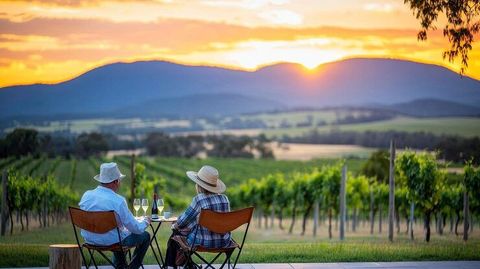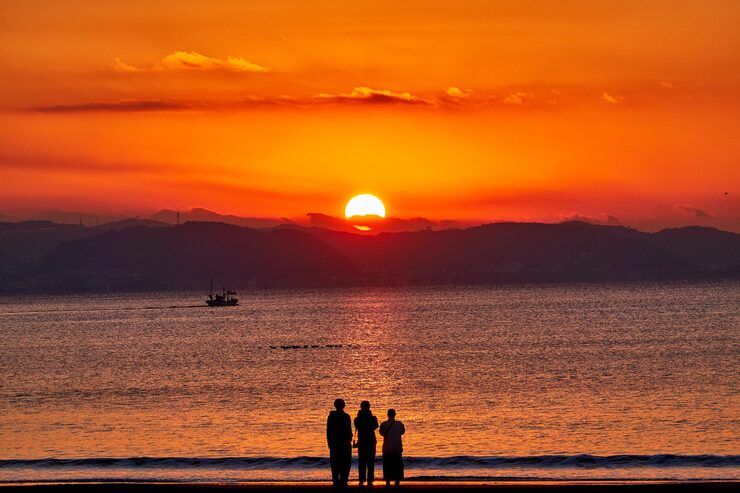
Sunset viewpoints are locations where travelers can observe the sun descending toward the horizon, often creating changing colors across the sky, mountains, coastlines, deserts, and city skylines. These places range from natural landscapes and elevated cliffs to historic monuments, waterfront promenades, and remote islands.
Sunset colors develop as sunlight travels through more of the atmosphere near the horizon. Atmospheric particles and gases scatter shorter wavelengths of light, allowing warmer shades of orange, red, and pink to become prominent under suitable conditions. Clouds, humidity, dust, and local weather influence how these colors appear.
The best sunset viewpoints worldwide offer different experiences depending on geography and season. Coastal destinations provide views across open water, while mountain locations reveal layered landscapes and changing shadows. Urban viewpoints combine the evening sky with illuminated buildings and architectural landmarks.
Notable Sunset Destinations
Several destinations are widely recognized for their scenery and distinctive geographic features.
Santorini, Greece: Whitewashed buildings and blue-domed churches overlook the Aegean Sea, particularly around Oia and Imerovigli.
Grand Canyon, United States: The canyon's layered rock formations display changing colors as sunlight reaches different sections of the landscape.
Uluwatu, Bali, Indonesia: Coastal cliffs provide views of the Indian Ocean, with temples and traditional cultural performances nearby.
Table Mountain, Cape Town, South Africa: Elevated viewpoints overlook the city, Atlantic coastline, and surrounding mountains.
Taj Mahal, Agra, India: The marble monument changes in appearance as the evening light shifts, although viewing conditions depend on the location and access arrangements.
Uluru, Australia: The sandstone formation displays changing tones under different lighting conditions across the surrounding desert.
Grand Teton National Park, United States: Mountain silhouettes, lakes, and broad valleys create distinctive evening landscapes.
Marina Bay, Singapore: The waterfront skyline offers an urban sunset setting with reflections across the bay.
Each destination combines natural conditions with local geography, cultural significance, and visitor access.
Why Sunset Viewpoints Matter in Modern Travel
Sunset destinations contribute to tourism, photography, cultural exploration, and outdoor recreation. They encourage visitors to experience landscapes at a particular time of day and often provide opportunities to learn about local ecosystems, architecture, and traditions.
For travelers planning international holidays, sunset viewpoints can also help determine daily itineraries. The timing of sunset affects transportation arrangements, walking routes, photography sessions, and the amount of daylight available for other activities.
Benefits for Different Types of Travelers
Different visitors may approach sunset destinations with different priorities.
Nature enthusiasts can observe changes in mountain, coastal, and desert environments.
Travel photographers can study natural lighting, silhouettes, reflections, and landscape composition.
Cultural travelers can explore historic landmarks, temples, and traditional evening activities.
Families can include accessible waterfront walks or designated viewing areas in their itineraries.
Adventure travelers may choose elevated viewpoints reached through hiking, provided the route and conditions are appropriate.
Responsible Travel Considerations
Popular sunset viewpoints can become crowded, particularly during peak travel seasons. Visitors should consider pedestrian access, parking restrictions, weather conditions, and local environmental rules before visiting.
Responsible travel also means staying on marked trails, avoiding unstable cliff edges, respecting religious sites, and minimizing disturbance to wildlife. In protected landscapes, visitors should follow park instructions and avoid leaving litter.
Recent Trends in Sunset Tourism
During 2025 and 2026, travel planning continued to emphasize nature-based experiences, outdoor activities, photography, and more flexible itineraries. Sunset viewing fits these interests because it can be incorporated into a range of travel styles without requiring a specialized activity.
However, visitor numbers, local access arrangements, and seasonal conditions vary considerably. Travelers should check current destination guidance before relying on a particular viewpoint or assuming that access will be available.
Photography and Digital Travel Planning
Smartphone cameras, mirrorless cameras, and photography applications have made it easier for visitors to plan and document sunset experiences.
Common travel-planning trends include:
Using sunset calculators to identify the approximate time of sunset at a destination.
Checking cloud cover and local weather forecasts before traveling to a viewpoint.
Using digital maps to identify public viewpoints and walking routes.
Planning photography around the golden hour, the period shortly before sunset when sunlight is often warmer and softer.
Exploring less crowded viewpoints to reduce pressure on heavily visited landmarks.
Artificial intelligence and digital itinerary tools can also help travelers compare locations, estimate travel times, and organize daily schedules. Nevertheless, generated recommendations should be checked against current weather reports, local transport information, and official access guidance.
Seasonal and Environmental Changes
Weather and atmospheric conditions influence sunset visibility. Seasonal cloud patterns, haze, rainfall, and dust can affect the clarity and color of the horizon.
Climate-related environmental changes may also influence some coastal and mountain destinations through erosion, extreme weather, wildfire risk, and changing visitor conditions. These effects differ by region, and a particular sunset cannot be guaranteed.
Travelers should treat sunset forecasts as estimates rather than promises. A location known for colorful skies may produce muted colors or an obscured horizon on a cloudy evening.
Laws, Policies, and Visitor Regulations
Sunset viewpoints are governed by different rules depending on their location. National parks, protected coastlines, religious monuments, and urban observation areas may have separate requirements for opening hours, visitor conduct, photography, and environmental protection.
Protected Natural Areas
National parks and conservation areas commonly regulate activities that may affect wildlife, vegetation, geological features, and visitor safety. Rules may restrict off-trail walking, camping, drone use, fires, and access after dark.
For example, visitors to the Grand Canyon and Grand Teton National Park in the United States must follow applicable National Park Service regulations and location-specific safety guidance. Conditions can change because of maintenance, weather, wildlife activity, or temporary closures.
At Uluru in Australia, visitors must respect the cultural significance of the landscape to its Traditional Owners and follow park rules concerning designated walking routes, restricted areas, and visitor behavior.
Coastal and Cultural Destinations
At Santorini, local authorities may regulate pedestrian movement and access around crowded settlements and historic structures. Visitors should respect private property and avoid blocking narrow pathways.
At Uluwatu in Bali, temple etiquette and local cultural expectations apply. Appropriate clothing, respectful behavior, and compliance with site instructions are important when visiting religious locations.
Photography and drone rules also vary by destination. Some monuments prohibit commercial photography or restrict equipment, while certain parks require specific authorization for drone operations.
General Travel Safety Guidelines
Before visiting a sunset viewpoint, travelers should:
Confirm official opening hours and any seasonal restrictions.
Check whether reservations, permits, or entrance arrangements apply.
Review local weather warnings and transport schedules.
Use marked paths and designated viewing platforms.
Carry suitable lighting when returning after sunset.
Follow instructions from park staff, local authorities, and site managers.
These precautions are particularly important at cliffs, mountain trails, remote beaches, and areas where mobile phone coverage is limited.
Tools and Resources for Planning Sunset Visits
Digital tools can help travelers identify sunset times, compare locations, and prepare for changing conditions. The most useful resources combine astronomical calculations with local weather information and destination-specific guidance.
Sunset Timing and Weather Tools
Sunset calculators: Estimate sunset and sunrise times using a destination and date.
Astronomy applications: Display the sun's position, direction, and approximate path across the sky.
Weather forecast applications: Provide information about cloud cover, precipitation, wind, and visibility.
Digital maps: Help identify viewpoints, nearby roads, walking paths, and public transportation.
Photography planning applications: Assist with composition, lighting direction, and golden-hour timing.
Official national park and tourism authority resources are particularly useful for checking closures, trail conditions, entry rules, and safety notices.
Comparing Sunset Destinations
The following table compares several well-known viewpoints by landscape and travel considerations.
Destination | Landscape | Notable feature | Planning consideration |
|---|---|---|---|
Santorini, Greece | Coastal village | Aegean Sea views | Crowds during peak periods |
Grand Canyon, USA | Desert canyon | Layered rock formations | Trail and weather safety |
Uluwatu, Bali | Ocean cliffs | Temple surroundings | Cultural etiquette |
Table Mountain, South Africa | Mountain and coastline | Elevated city views | Weather and access conditions |
Uluru, Australia | Desert landscape | Changing sandstone colors | Cultural and park regulations |
Marina Bay, Singapore | Urban waterfront | City skyline reflections | Public viewing areas and events |
There is no universal ranking for sunset quality. Visibility, season, personal interests, accessibility, and local conditions all influence the experience.
Practical Photography Tips
A few simple techniques can improve sunset photography.
Arrive approximately 30–60 minutes before sunset to explore the viewpoint and prepare equipment.
Use the landscape, buildings, or trees to create depth in the composition.
Keep the horizon level and avoid placing important subjects too close to the frame's edge.
Adjust exposure carefully when the sky is much brighter than the foreground.
Remain at the viewpoint after the sun disappears, as twilight can produce additional colors and softer lighting.
Always prioritize safety over photography, especially near water, steep slopes, and unprotected edges.
Frequently Asked Questions
Which countries have well-known sunset viewpoints?
Greece, the United States, Indonesia, South Africa, Australia, India, and Singapore all have notable sunset locations. Examples include Santorini, the Grand Canyon, Uluwatu, Table Mountain, Uluru, the Taj Mahal, and Marina Bay.
What is the best time to reach a sunset viewpoint?
Arriving 30–60 minutes before the predicted sunset is a practical approach. It provides time to find a safe viewing position, account for crowds, and observe changing light before the sun reaches the horizon.
Can weather affect sunset colors?
Yes. Clouds, humidity, dust, smoke, and atmospheric conditions influence color and visibility. Some cloud formations produce vivid colors, while thick cloud cover may obscure the sun entirely.
Are sunset viewpoints suitable for family travel?
Many accessible waterfronts, public parks, and designated observation areas are suitable for families. However, cliffs, remote trails, and exposed mountain viewpoints may require additional precautions. Check accessibility, facilities, and local safety guidance before visiting.
How can travelers find less crowded sunset locations?
Travelers can research official tourism maps, explore permitted public viewpoints outside major landmarks, and consider visiting during quieter periods. They should avoid trespassing or entering restricted areas and should not assume that an unofficial viewpoint is safe.
Conclusion
The best sunset viewpoints worldwide reflect the diversity of the planet's landscapes, from Mediterranean villages and desert canyons to tropical coastlines and modern city skylines. Each destination offers a different combination of natural light, geography, cultural heritage, and visitor experience.
Planning a sunset visit involves more than identifying a scenic location. Travelers should consider the season, weather, sunset timing, accessibility, local regulations, and safe return arrangements.
By combining reliable planning tools with responsible travel practices, visitors can explore sunset destinations more thoughtfully. Whether observing the changing colors of Uluru, the cliffs of Bali, or the skyline of Singapore, sunset viewing provides an opportunity to appreciate the natural environment and the places people have built around it