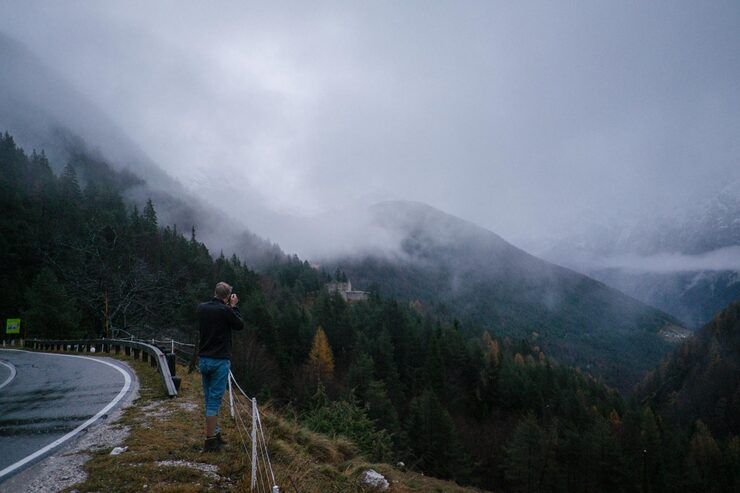
Monsoon mountain escapes are journeys to mountainous regions during the rainy season, when regular rainfall transforms hillsides, forests, valleys, and waterfalls. These destinations often feature mist-covered peaks, flowing streams, green landscapes, and cooler temperatures than nearby lowland areas. For many travelers, the monsoon creates a different experience from the dry season, with changing scenery and opportunities to explore nature.
Mountain destinations across the world experience seasonal rainfall, although the timing and intensity vary considerably. In South Asia, the summer monsoon typically affects parts of India, Nepal, and neighboring countries. Other mountain regions, including parts of Southeast Asia, experience their own rainy seasons influenced by regional weather systems.
Planning a mountain trip during the monsoon requires more preparation than choosing a destination based on scenery alone. Heavy rainfall can affect road conditions, hiking trails, visibility, transport schedules, and accommodation access. Understanding local weather patterns and seasonal hazards helps travelers make informed decisions.
What Makes Monsoon Mountain Travel Different?
Rain changes the appearance and accessibility of mountainous landscapes. Forests become greener, rivers may swell, and clouds can move rapidly across valleys. However, these conditions can also create hazards that are less common during dry weather.
Common features of monsoon mountain travel include:
Lush vegetation and seasonal waterfalls.
Misty viewpoints and changing cloud formations.
Cooler conditions in some elevated areas.
Reduced visibility on mountain roads.
Increased risk of landslides, flash floods, and slippery trails.
Changes to outdoor activities depending on rainfall intensity.
The experience depends on elevation, drainage, road infrastructure, local climate, and the timing of the visit. A destination that remains accessible during light rain may become dangerous during prolonged or intense rainfall.
Popular Mountain Destinations During the Rainy Season
Different regions offer different landscapes, cultural experiences, and levels of accessibility during the monsoon.
Destination | Region | Seasonal characteristics |
|---|---|---|
Munnar | Kerala, India | Tea gardens, misty hills, and green valleys |
Coorg | Karnataka, India | Forested hills, coffee-growing landscapes, and waterfalls |
Meghalaya | Northeast India | High rainfall, waterfalls, caves, and forest scenery |
Darjeeling | West Bengal, India | Mountain views, tea gardens, and changing cloud cover |
Pokhara | Nepal | Lake scenery, mountain surroundings, and rainy-season greenery |
Cameron Highlands | Malaysia | Elevated tea-growing landscapes and cool conditions |
These destinations do not have identical weather conditions, and accessibility can change during the season. Travelers should check current forecasts, local advisories, road conditions, and any restrictions before departing.
Choosing the Right Destination
The best destination depends on a traveler's preferred activities, physical fitness, transport options, and tolerance for wet weather. Travelers interested in quiet landscapes may prefer forested hill stations, while experienced hikers may consider mountain trails that remain officially open during the rainy season.
Before making a decision, consider:
Weather patterns: Review typical rainfall and current forecasts for the intended travel dates.
Road accessibility: Check whether mountain roads are prone to landslides, flooding, or temporary closures.
Elevation: Higher locations may experience colder temperatures, strong winds, and rapidly changing visibility.
Local infrastructure: Consider access to medical facilities, transport, and reliable communication.
Activity restrictions: Confirm whether trekking routes, waterfalls, viewpoints, or national parks have seasonal limitations.
Why Monsoon Mountain Escapes Matter Today
Seasonal mountain travel connects people with natural landscapes, regional cultures, and outdoor recreation. It can also support communities that depend on tourism for income. At the same time, increased visitor numbers during sensitive weather conditions create challenges for local infrastructure and fragile ecosystems.
Benefits for Travelers and Local Communities
Mountain trips can provide opportunities to learn about local traditions, regional food, biodiversity, and environmental conservation. Visiting local attractions responsibly can contribute to the livelihoods of guides, accommodation operators, transport providers, and small businesses.
For travelers, the rainy season may provide a different perspective on familiar destinations. Waterfalls become more active, vegetation changes, and cloud formations create varied landscape conditions. These features can appeal to nature enthusiasts, landscape photographers, families, and travelers interested in quieter outdoor experiences.
However, the quality of a trip depends on conditions at the time of travel. Persistent rainfall may prevent access to viewpoints or outdoor attractions, so flexible itineraries are often more practical than tightly scheduled plans.
Environmental Responsibility
Mountain environments are particularly sensitive to erosion, water contamination, habitat disturbance, and poorly managed waste. Heavy rainfall can carry plastic, litter, and other pollutants into streams and rivers.
Responsible travel practices include:
Carrying reusable water containers and bringing back personal waste.
Staying on designated paths and respecting temporary closures.
Avoiding swimming near swollen rivers and waterfalls.
Following local instructions around wildlife and protected forests.
Choosing locally operated accommodation that follows responsible waste and water management practices.
Avoiding activities that disturb vegetation or destabilize steep slopes.
Responsible tourism helps protect the landscapes that attract visitors while reducing pressure on local communities during the rainy season.
Recent Developments and Monsoon Travel Trends
During 2025 and 2026, weather-related travel planning continued to emphasize extreme rainfall, early warnings, changing access conditions, and digital travel information. These developments reflect a wider need to make decisions based on current local conditions rather than relying solely on seasonal expectations.
Weather Alerts and Climate Awareness
Weather forecasting and public warning systems have become important parts of mountain trip planning. National meteorological agencies publish rainfall forecasts and warnings that can help travelers identify periods of elevated risk.
In India, the India Meteorological Department issues weather forecasts and warnings for heavy rainfall, thunderstorms, and other hazardous conditions. Local authorities may also announce restrictions or evacuation measures when conditions threaten public safety.
Travelers should distinguish between a general seasonal forecast and a location-specific warning. Rainfall can vary significantly between neighboring valleys, and conditions may change quickly at higher elevations.
Digital Trip Planning
Mobile applications and online information systems increasingly support travel planning through:
Live weather forecasts and severe-weather notifications.
Digital maps and navigation tools.
Road closure and transport updates.
Accommodation booking records and itinerary management.
Emergency location sharing, where mobile connectivity is available.
These tools improve preparation but cannot guarantee safety. Mobile signals may disappear in remote valleys, while map applications may not reflect a newly blocked mountain road. Travelers should keep offline maps, emergency contact information, and alternative routes where practical.
Flexible Travel Itineraries
An important planning trend is to leave room for weather-related changes. Instead of arranging every day around a long hike or a distant viewpoint, travelers can prepare indoor cultural activities, nearby attractions, and rest days as alternatives.
This approach reduces pressure to continue an unsafe journey simply because transport or accommodation has already been arranged.
Laws, Policies, and Travel Safety Requirements
Monsoon mountain travel is affected by weather advisories, road safety regulations, protected-area rules, trekking permits, and local emergency instructions. Requirements differ between countries and even between districts within the same country.
Travel Regulations in India
Travelers visiting Indian mountain destinations should understand several relevant regulatory areas.
Disaster management: The Disaster Management Act, 2005, establishes a framework for disaster preparedness, response, and coordination among authorities. Local administrations may issue safety instructions, evacuations, or access restrictions during dangerous weather.
Protected areas and wildlife: National parks, wildlife sanctuaries, and other protected landscapes may have entry conditions, designated routes, restricted zones, and activity-specific rules. Visitors should follow instructions issued by the relevant park or forest authority.
Road safety: Mountain roads may be subject to temporary closures, traffic restrictions, and movement controls during landslides, flooding, or other hazards. Official police and district administration announcements should take priority over suggested routes in navigation applications.
Trekking and outdoor activities: Some destinations require permits, registered guides, or compliance with route-specific safety rules. Conditions may change during the monsoon, and a previously accessible trail may be temporarily closed.
Travelers visiting Nepal, Malaysia, or other countries should check the regulations of the destination they intend to visit rather than assuming that Indian rules apply.
Tools and Resources for Monsoon Travel Planning
Reliable information can help travelers assess weather conditions, prepare for changing routes, and manage emergency situations. The most useful resources are those that provide current, location-specific information.
Weather and Navigation Tools
India Meteorological Department: Provides rainfall forecasts, severe-weather warnings, and regional weather information.
National and regional disaster management authorities: Publish emergency preparedness guidance and information about significant weather hazards.
Digital navigation applications: Help with route planning, directions, and offline map preparation.
Official tourism departments: Provide information about destinations, seasonal restrictions, local attractions, and travel requirements.
National park and forest authorities: Publish information about protected areas, permitted activities, and trail access.
Emergency contact directories: Help travelers identify local emergency numbers, nearby hospitals, and police assistance.
Practical Mountain Trip Checklist
Before departure, review the following preparation tasks.
A checklist is particularly useful for multi-day trips because it encourages travelers to review safety conditions before leaving each destination.
Frequently Asked Questions
What is the best time to visit mountain destinations during the monsoon?
The best time depends on the destination's rainfall patterns, elevation, and local access conditions. Rather than relying on a fixed month, review seasonal climate information and current forecasts before deciding on travel dates.
Are monsoon mountain trips safe for families?
They can be suitable when weather conditions, accommodation, and transport are appropriate. Families should avoid flooded roads, unstable slopes, swollen rivers, and closed trails. Destinations with reliable road access and nearby medical facilities may be easier to manage.
What should travelers pack for a rainy mountain trip?
Useful items include waterproof clothing, shoes with good grip, warm layers, a compact first-aid kit, drinking water, a flashlight, power banks, and protective bags for electronics. The exact packing list depends on the elevation, trip duration, and planned activities.
How can travelers avoid landslide-prone areas?
Check official weather warnings and road advisories, follow local authorities' instructions, and avoid unnecessary travel during periods of intense rainfall. Never cross a fresh landslide, walk beneath unstable slopes, or attempt to drive through floodwater. If authorities close a route, use an approved alternative or postpone the journey.
Can travelers go trekking during the monsoon?
Some trails remain accessible, but others may close because of slippery surfaces, poor visibility, flooding, or landslide risks. Check the current status with the relevant local authority and use an experienced, appropriately qualified guide where required. Turn back if conditions deteriorate.
Conclusion
Monsoon mountain escapes provide opportunities to experience green valleys, mist-covered hills, seasonal waterfalls, and distinctive regional landscapes. They can also help travelers discover local cultures and support communities that depend on responsible tourism.
However, the rainy season brings challenges that require careful preparation. Weather forecasts, road conditions, local regulations, suitable equipment, and flexible itineraries should all influence travel decisions.
By respecting environmental guidelines, following official safety instructions, and avoiding unnecessary risks, travelers can make better-informed decisions about mountain destinations during the monsoon. The most rewarding trip is not simply one with beautiful scenery, but one that balances exploration, environmental responsibility, and personal safety.