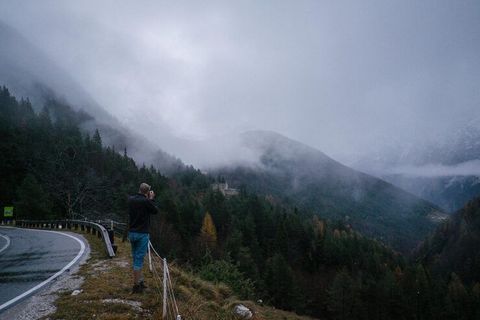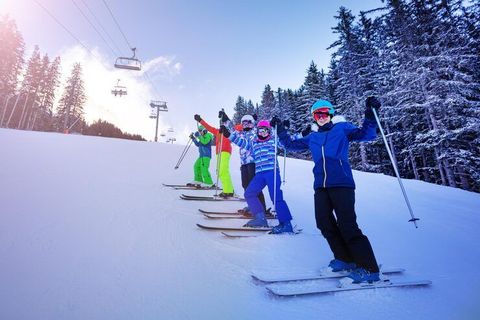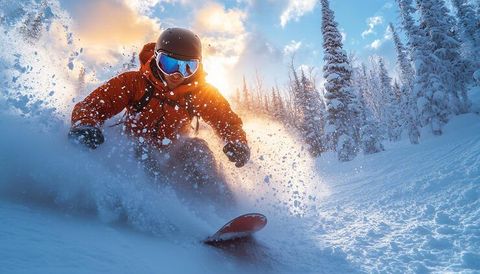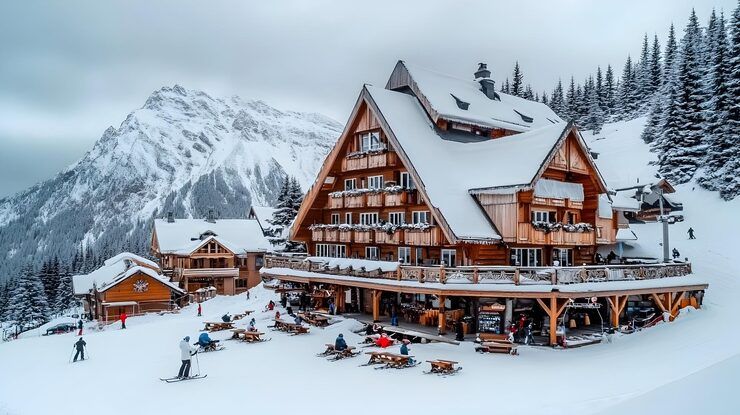
Austrian ski resorts are mountain destinations designed for skiing, snowboarding, and other winter activities in the Austrian Alps. Austria is internationally recognized for its alpine landscapes, established winter sports infrastructure, traditional mountain villages, and extensive networks of ski lifts and prepared slopes.
Ski resorts range from large interconnected mountain areas to smaller family-oriented destinations. Many combine winter sports with accommodation, restaurants, equipment facilities, ski schools, wellness centers, and access to regional cultural attractions.
Austria's geography plays a central role in its winter tourism industry. The western and central regions contain many of the country's best-known skiing areas, particularly in Tyrol, Salzburg, Vorarlberg, and Carinthia. Altitude, slope orientation, snowfall, and snowmaking infrastructure influence how long individual resorts can operate during the winter.
Popular Austrian Ski Destinations
Austria offers a variety of ski destinations, each with distinct terrain, facilities, and regional characteristics.
Ski Arlberg
Located in Tyrol and Vorarlberg, Ski Arlberg includes well-known villages such as St. Anton, Lech, Zürs, and Stuben. It is known for extensive interconnected slopes, challenging terrain, and a long history of alpine skiing.
Saalbach Hinterglemm
This Salzburg region destination forms part of the Skicircus ski area, which connects multiple villages and provides varied terrain for beginners, intermediate skiers, and experienced visitors.
Kitzbühel
Kitzbühel combines historic alpine architecture with a recognized ski area and the famous Hahnenkamm downhill race. Its surrounding slopes attract recreational skiers and international winter sports audiences.
Ischgl
Situated in Tyrol, Ischgl is connected to the Silvretta Arena, an extensive ski area extending across the Austrian-Swiss border. Its high-altitude terrain and mountain lift network are important features.
Obergurgl-Hochgurgl
Located in the Ötztal Alps, this high-altitude destination is known for its mountain scenery and winter skiing. Its elevation can support a longer season, although weather and snow conditions still vary.
How Austrian Ski Areas Operate
Most major resorts combine mountain lift infrastructure, marked pistes, snow preparation, avalanche management, and weather monitoring. Some areas connect several villages through a shared lift network, allowing visitors to explore different slopes during a single trip.
The main factors affecting resort operations include:
Snowfall, temperature, and seasonal weather patterns.
Altitude and the proportion of slopes facing different directions.
Snowmaking capacity and available water resources.
Lift maintenance and mountain safety procedures.
Demand during school holidays and major winter events.
These factors help explain why ski conditions can differ considerably between two Austrian destinations during the same week.
Why Austrian Ski Resorts Matter
Austrian ski resorts contribute to tourism, regional employment, transport, hospitality, and the preservation of alpine traditions. Winter tourism supports mountain communities, including those where agriculture and other industries may have limited seasonal activity.
Who Benefits from Alpine Tourism?
Different groups use Austrian ski destinations for different purposes:
Families: Seek beginner slopes, ski schools, children's areas, and accessible mountain facilities.
Experienced skiers: Look for steep runs, varied terrain, freeride areas, and extensive lift networks.
Snowboarders: Often prioritize terrain parks, wide pistes, and suitable mountain conditions.
Winter sports enthusiasts: May participate in cross-country skiing, snowshoeing, sledding, and ski touring.
Local communities: Benefit from visitor spending, regional food production, accommodation, and cultural tourism.
Comparing Resort Characteristics
The following table provides a general comparison of several well-known Austrian ski destinations.
| Resort | Known for | Suitable visitor groups |
|---|---|---|
| Ski Arlberg | Extensive terrain and alpine skiing | Intermediate and advanced skiers |
| Saalbach Hinterglemm | Connected pistes and varied slopes | Families and mixed-ability groups |
| Kitzbühel | Historic village and downhill racing | Recreational skiers and sports fans |
| Ischgl | High-altitude skiing and cross-border terrain | Experienced skiers and snowboarders |
| Obergurgl-Hochgurgl | High-altitude mountain scenery | Visitors seeking a high-altitude ski holiday |
These are general descriptions rather than guarantees of difficulty or snow conditions. Individual pistes vary, and visitors should select routes appropriate to their abilities.
Recent Developments and Winter Season Trends
Austria's winter tourism sector continued to demonstrate strong demand during 2025 and 2026. Tourism statistics published in May 2026 reported approximately 74.3 million overnight stays nationally during the 2025/26 winter season, representing an increase of around 2.6% compared with the previous winter.
This growth highlights the continuing importance of alpine destinations to Austria's tourism economy. However, national overnight-stay figures cover winter tourism more broadly and do not represent ski-resort visits alone.
Preparing for the 2026/27 Ski Season
The 2026/27 winter season is scheduled to begin at different times across the country. High-altitude glacier areas may open during autumn, while many traditional ski resorts plan their main openings for late November or December.
Key developments and planning considerations include:
Autumn glacier skiing: Certain glacier areas, including Hintertux, provide opportunities for early-season skiing when conditions permit.
Season-opening events: Resorts such as Ischgl, Saalbach Hinterglemm, and Schladming schedule concerts and winter-opening events.
Flexible opening schedules: Actual opening dates may change because of temperature, snowfall, wind, and snowmaking conditions.
Year-round tourism: Austrian tourism planning increasingly emphasizes summer hiking, wellness, cycling, and cultural activities alongside winter sports.
Climate and Snow Reliability
Changing winter temperatures create planning challenges for alpine tourism. Lower-altitude slopes may experience less consistent natural snowfall, while higher areas can sometimes maintain suitable snow conditions for longer.
Many resorts use snowmaking infrastructure to support piste preparation. However, snowmaking requires appropriate temperatures, water resources, energy, and suitable weather conditions. It cannot guarantee that every slope will remain open throughout a season.
Visitors should distinguish between a resort's planned opening date and its confirmed operating conditions.
Laws, Safety Rules, and Travel Policies
Skiing in Austria involves a combination of resort operating rules, mountain safety practices, general legal requirements, and regional regulations. Visitors should understand these before using mountain facilities.
Skiing Conduct and Mountain Safety
The International Ski Federation's FIS conduct rules are widely used as guidance for responsible skiing and snowboarding. They emphasize awareness, speed control, appropriate route selection, and respect for other slope users.
Important practices include:
Control speed according to visibility, terrain, weather, and personal ability.
Choose a route that avoids endangering people downhill.
Leave sufficient space when overtaking other skiers.
Stop in visible locations rather than narrow sections or blind areas.
Follow signs, barriers, piste closures, and instructions from mountain staff.
Provide assistance and exchange relevant information following an accident.
Ski helmets are strongly recommended for all ages. Helmet requirements for children and young people vary by Austrian federal state, so families should check the rules applicable to their destination.
Avalanche Risk and Off-Piste Skiing
Marked pistes are managed according to resort safety procedures, while off-piste terrain can involve substantial avalanche and navigation risks.
Visitors planning ski touring or off-piste activities should review local avalanche forecasts, carry appropriate equipment, and understand how to use it. Essential equipment commonly includes an avalanche transceiver, probe, and shovel. Appropriate training and sound decision-making remain critical.
Resort opening information does not mean that nearby ungroomed mountain terrain is safe.
Travel and Environmental Requirements
International visitors should check passport, visa, and travel insurance requirements relevant to their nationality. Winter driving also requires preparation for snow and ice; Austrian rules on winter tyres and other vehicle equipment depend on the applicable conditions and vehicle category.
Resorts may also impose restrictions concerning lift access, piste use, dogs, and particular mountain activities. Visitors should review local regulations before departure.
Tools and Resources for Planning a Ski Holiday
Practical planning tools help visitors compare resorts, understand conditions, and prepare for mountain activities.
Useful Resources
Official resort snow reports: Check open lifts, available pistes, snow depth, and operating schedules.
Weather forecasts: Review temperature, wind, precipitation, and visibility before travelling.
Avalanche bulletins: Assess regional avalanche danger before ski touring or entering off-piste terrain.
Piste maps: Identify route difficulty, lift connections, and mountain facilities.
Ski route planners: Estimate travel between villages and compare interconnected skiing areas.
Rail and public transport planners: Investigate connections from major Austrian cities to mountain destinations.
Equipment checklists: Prepare helmets, goggles, gloves, layered clothing, and other essential winter gear.
A useful planning checklist includes accommodation location, transport arrangements, skiing ability, resort opening dates, weather forecasts, and insurance coverage. Staying near a lift station or a reliable shuttle route may also reduce daily travel.
Frequently Asked Questions
When is the best time to visit Austrian ski resorts?
The main ski season generally runs from December through March, although dates vary by resort and weather. High-altitude glacier areas may operate earlier or later. January and February are popular winter months, while early and late season conditions can be less predictable.
Which Austrian ski resorts are suitable for beginners?
Saalbach Hinterglemm, Kitzbühel, and several family-oriented areas across Tyrol and Salzburg have beginner facilities and ski schools. Suitability depends on the specific learning slopes, instructor availability, and the visitor's confidence.
Which resorts are known for high-altitude skiing?
Obergurgl-Hochgurgl, Ischgl, and glacier destinations such as Hintertux are known for high-altitude terrain. Elevation can help support a longer season, but it does not guarantee ideal snow or weather conditions on every date.
Can visitors travel between different ski resorts using one lift pass?
Some interconnected ski areas operate under shared lift-pass arrangements, allowing access to multiple villages or mountain sectors. Coverage depends on the particular pass, participating areas, validity dates, and any restrictions.
Are Austrian ski resorts suitable for non-skiers?
Yes. Many destinations provide winter hiking, scenic mountain lifts, sledding, wellness facilities, traditional restaurants, and cultural attractions. Available activities depend on the resort, season, weather, and operating schedules.
Conclusion
Austrian ski resorts combine alpine scenery, winter sports infrastructure, traditional mountain communities, and diverse outdoor activities. Destinations such as Ski Arlberg, Saalbach Hinterglemm, Kitzbühel, Ischgl, and Obergurgl-Hochgurgl each have distinctive characteristics that appeal to different visitors.
Tourism growth, digital planning tools, and improvements in mountain infrastructure continue to shape the sector. At the same time, changing weather patterns, snow reliability, and mountain safety remain important considerations.
Choosing a suitable destination requires attention to skiing ability, altitude, seasonal conditions, transport, and local regulations. With careful preparation and responsible mountain practices, visitors can better understand Austria's alpine regions and enjoy a well-planned winter holiday.