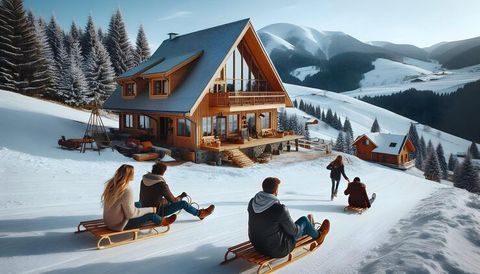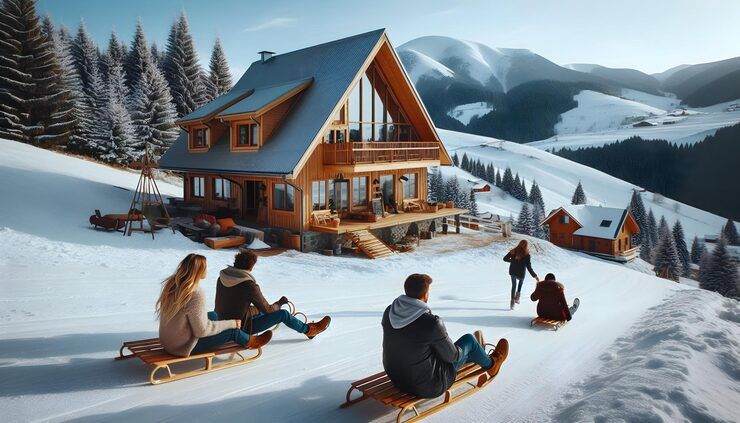
Arctic snow hotels are seasonal or specially maintained accommodations built partly or entirely from snow and ice. They are found in northern destinations where winter temperatures remain low enough to preserve carefully constructed ice structures. These unusual buildings combine winter architecture, cultural experiences, and cold-weather tourism in one setting.
One of the best-known destinations is Finnish Lapland, where Arctic SnowHotel attracts visitors interested in sleeping in an ice room, exploring snow sculptures, and experiencing the Arctic environment. Similar concepts exist in Sweden and Norway, including the internationally recognized ICEHOTEL in Jukkasjärvi, Sweden.
Unlike conventional hotels, snow hotels depend on natural winter conditions and specialized construction techniques. Their walls, ceilings, decorations, and sometimes furniture are made from compacted snow or clear ice. Artists and builders shape these materials into rooms, corridors, sculptures, and shared spaces.
The experience is not limited to sleeping in a cold room. Many Arctic destinations combine ice architecture with opportunities to observe the Northern Lights, learn about local traditions, explore snowy landscapes, and participate in guided winter activities.
How Snow and Ice Architecture Works
Snow hotels require careful planning because snow and ice behave differently from ordinary construction materials. Builders select suitable locations, manage moisture, monitor structural stability, and maintain temperatures that help preserve the buildings.
Common architectural features include:
Snow walls: Compacted snow forms thick walls that provide insulation and help maintain a stable interior environment.
Ice decorations: Clear ice blocks create artistic details, sculptures, and decorative lighting effects.
Themed rooms: Artists design individual rooms around natural patterns, Arctic animals, folklore, or abstract concepts.
Seasonal structures: Some buildings are reconstructed each winter, while others combine permanent facilities with temporary ice structures.
Many snow hotels also have heated reception areas, restaurants, changing facilities, and conventional rooms. These features help visitors move between cold environments and warmer indoor spaces.
Why Arctic Snow Hotel Adventures Matter
Arctic snow hotel travel illustrates how tourism can be shaped by climate, geography, engineering, and regional culture. It attracts travelers who want experiences that differ from traditional sightseeing, while also creating opportunities for local guides, artists, transportation providers, and hospitality workers.
For visitors, these destinations offer a practical way to learn about cold-weather environments. Guests can discover how snow provides insulation, how ice structures are maintained, and why winter clothing and outdoor safety are essential in northern regions.
The Main Attractions
The appeal of Arctic snow hotels usually comes from several connected experiences.
Northern Lights viewing: In suitable weather and dark skies, visitors may see auroras caused by charged particles interacting with Earth's atmosphere.
Ice art and sculpture: Handcrafted rooms and large sculptures demonstrate how artists work with frozen materials.
Winter landscapes: Forests, frozen lakes, and snow-covered wilderness provide opportunities for photography and guided exploration.
Local culture: Regional food, crafts, storytelling, and Indigenous cultural experiences can add historical and social context to a winter visit.
Cold-weather learning: Guests can understand winter clothing systems, snow insulation, and the importance of managing exposure to low temperatures.
These experiences also involve practical challenges. Visitors must prepare for cold weather, limited daylight, changing snow conditions, and transportation disruptions. Travelers with mobility requirements or particular medical needs may need to check accessibility and accommodation arrangements in advance.
Snow Hotels Compared With Conventional Hotels
| Feature | Arctic snow hotel | Conventional hotel |
|---|---|---|
| Main building materials | Snow and ice, sometimes combined with permanent structures | Concrete, timber, steel, and other standard materials |
| Indoor temperature | Cold in ice rooms; warmer in shared facilities | Generally heated throughout |
| Availability | Often seasonal or dependent on local conditions | Usually available year-round |
| Main attraction | Ice architecture and Arctic experiences | Comfort, location, and standard accommodation |
| Preparation | Specialized winter clothing and cold-weather planning | Usually ordinary travel preparation |
The best option depends on the purpose of the trip. A snow hotel can provide a memorable winter experience, while a conventional room may be more suitable for travelers who prioritize warmth, accessibility, or longer stays.
Recent Developments in Arctic Winter Tourism
Arctic tourism continues to evolve through seasonal accommodation, immersive architecture, winter recreation, and technology that helps travelers plan around changing weather. Snow hotels remain particularly dependent on temperatures, construction schedules, and the availability of suitable snow and ice.
The 2026–2027 Snow Hotel Season
For travelers planning a visit to Finnish Lapland, the Arctic SnowHotel winter season is scheduled to open on 15 December 2026 and continue through 31 March 2027. Its glass igloos operate on a longer seasonal schedule, generally from September through March. Exact dates and activities should be checked before travel.
The seasonal schedule illustrates an important distinction: the wider Arctic destination may welcome visitors before the snow hotel itself is ready. During early winter, travelers may be able to experience ice sculpting or observe construction preparations, depending on the program.
Developments in Winter Experiences
Several trends are influencing Arctic travel.
Glass-roof accommodation: Glass igloos allow visitors to watch the sky from a heated room. They provide an alternative for travelers who want Arctic scenery without sleeping in a cold ice room.
Interactive ice art: Sculpting demonstrations and themed interiors combine creative expression with winter tourism.
Integrated travel planning: Travelers increasingly organize accommodation, local transportation, outdoor activities, and dining as connected parts of one itinerary.
Responsible nature tourism: Attention to wildlife, protected landscapes, local communities, and visitor safety is important as winter destinations attract international travelers.
In 2026, Finnish tourism and weather information continued to highlight the importance of understanding regional differences in freezing patterns. Northern Finland generally experiences freezing earlier than southern areas, but actual conditions vary each year.
These developments do not guarantee snow conditions, clear skies, or Northern Lights sightings. Travelers should treat seasonal schedules as planning information and check current forecasts close to departure.
A Simple Seasonal Planning Guide
| Period | Typical conditions and experiences | Planning consideration |
|---|---|---|
| September–October | Autumn landscapes, glass igloos, early aurora viewing opportunities | Snow hotel may not yet be open |
| November–early December | Snow production and preparation in some destinations | Confirm which attractions are operating |
| Mid-December–January | Winter activities and seasonal snow architecture | Limited daylight and cold conditions |
| February–March | Winter scenery, outdoor activities, and longer daylight later in the season | Check snow conditions and closing dates |
This table describes a general planning pattern, not a guarantee of weather or availability. Individual destinations follow their own calendars.
Laws, Policies, and Travel Responsibilities
Arctic snow hotel adventures are affected by Finnish tourism rules, general accommodation requirements, transportation regulations, environmental protections, and safety guidance. Travelers should understand the difference between legal obligations and recommendations intended to reduce risk.
Accommodation and Consumer Protection
Hotels operating in Finland must comply with applicable national requirements concerning business operations, building safety, fire precautions, food hygiene where relevant, and consumer rights. Requirements depend on the facility and the activities it conducts.
Before confirming accommodation, travelers should review:
The reservation terms, including cancellation and modification conditions.
The exact dates when the snow hotel and associated facilities operate.
The conditions that apply if weather disrupts transportation or activities.
Any age, mobility, or safety restrictions for specific experiences.
Whether the reservation covers overnight accommodation, a day visit, meals, or transportation.
Published booking terms may distinguish between autumn stays and winter stays and specify different cancellation periods. The applicable terms should be checked for the dates selected.
Environmental Protection and Responsible Tourism
Some Arctic excursions take place in national parks or other protected natural areas. Access rules can vary by location, and tour operators may need specific agreements or permissions.
In February 2026, Finland's national land management authority announced enhanced supervision of tourism operations at popular recreation sites, with the aim of improving compliance with cooperation agreements and supporting ecological sustainability and visitor safety. Such measures concern specific protected areas and should not be interpreted as a blanket rule for every snow hotel.
Visitors can support responsible Arctic tourism by following marked routes, respecting wildlife, avoiding litter, and following instructions from local guides.
Cold-Weather and Outdoor Safety
Winter conditions can create risks even for experienced travelers. Ice may be thinner than it appears, roads can become slippery, and low temperatures can lead to cold-related injuries.
Travelers should wear appropriate warm clothing, be cautious around frozen water, and use qualified guides for unfamiliar winter activities. Finland's emergency number is 112.
Travelers should also check their travel insurance for coverage of winter sports, snowmobile excursions, medical treatment, and weather-related interruptions where applicable.
Tools and Resources for Planning an Arctic Snow Hotel Adventure
Reliable information helps travelers choose suitable dates, prepare for winter conditions, and understand what their itinerary includes. The following resources are useful starting points.
Essential Travel Resources
Official hotel information: The Arctic SnowHotel website provides seasonal opening dates, accommodation details, activities, and reservation policies.
Destination planning: Visit Finland provides information about Finnish destinations, winter activities, and travel planning.
Local visitor information: Visit Rovaniemi provides regional attraction details, transportation information, and seasonal guidance.
Weather forecasts: The Finnish Meteorological Institute provides forecasts and weather information relevant to Arctic travel.
Aurora forecasts: Finnish space weather information helps travelers understand geomagnetic activity associated with auroras.
Practical Planning Checklist
Before departure, travelers can prepare a simple checklist:
Confirm the accommodation dates and seasonal opening schedule.
Check flight connections, local transfers, and winter road conditions.
Pack thermal base layers, insulated outerwear, gloves, and suitable footwear.
Check aurora forecasts and local weather conditions.
Review cancellation policies, insurance coverage, and emergency contacts.
Confirm accessibility arrangements and any activity-specific safety requirements.
These steps make it easier to plan a realistic itinerary without assuming that weather-dependent experiences will always be available.
Frequently Asked Questions
What is an Arctic snow hotel?
An Arctic snow hotel is a seasonal building constructed using snow and ice, often featuring sculpted rooms, artistic decorations, and shared facilities. Some destinations also have heated accommodation nearby, including glass igloos and conventional rooms.
When is the best time to visit a snow hotel?
Mid-December through March is a common period for visiting snow hotels in Finnish Lapland. Exact dates vary by destination. Travelers should check official opening schedules before choosing flights and accommodation.
Can visitors see the Northern Lights from a snow hotel?
Yes, it is possible when auroral activity, darkness, and weather conditions align. However, sightings are never guaranteed. Cloud cover, light pollution, and solar activity all influence visibility.
Is it safe to sleep in a room made of ice?
Snow hotel rooms are designed for cold-weather overnight stays, and operators provide guidance and appropriate sleeping equipment. Guests should follow the hotel's instructions, use designated facilities, and discuss individual health or accessibility concerns with the accommodation provider before arrival.
What should travelers pack for an Arctic winter adventure?
Important items include thermal base layers, insulated clothing, warm socks, gloves, a hat, and winter footwear. Personal medication, travel documents, and suitable outdoor equipment should also be considered. Follow the hotel's specific packing guidance, particularly for overnight stays in ice rooms.
Conclusion
Arctic snow hotel adventures combine winter architecture, creative ice art, northern landscapes, and distinctive accommodation experiences. Destinations such as Rovaniemi in Finland demonstrate how seasonal construction and local tourism can create memorable ways to explore the Arctic environment.
Successful planning depends on checking opening dates, understanding local regulations, preparing for cold weather, and respecting the natural environment. Travelers who research these details can better appreciate the architecture, culture, and outdoor experiences that make Arctic winter tourism distinctive.