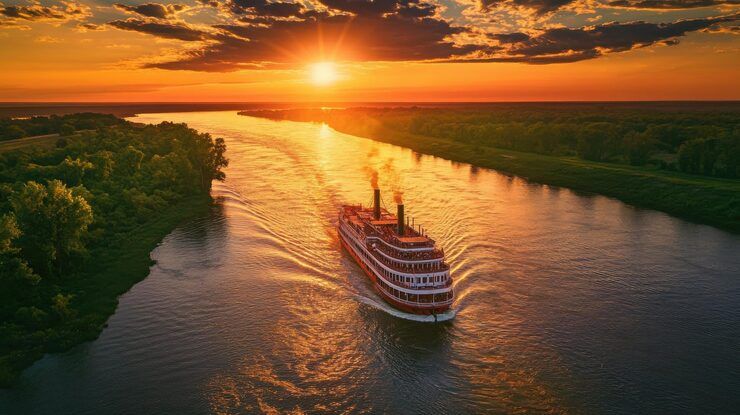
Amazon River cruises provide a way to explore one of the world's largest river systems and the surrounding tropical rainforest. The Amazon flows through South America, crossing or bordering several countries, including Brazil, Peru, and Colombia. Its extensive network of tributaries connects remote communities, forest environments, wetlands, and areas of exceptional biodiversity.
River journeys vary considerably. Some operate on larger vessels along major waterways, while others use smaller boats to navigate tributaries and reach communities or protected natural areas. The experience depends on the departure location, vessel type, route, season, and local regulations.
Unlike conventional coastal cruises, Amazon river journeys often focus on rainforest ecology, wildlife observation, cultural history, and the relationship between rivers and everyday life. River levels influence navigation, access to smaller waterways, and the landscapes visible during a journey.
Understanding Amazon River Cruise Routes
Amazon river travel takes place across a large geographical region. Different departure points provide access to distinct ecosystems and experiences.
Manaus, in Brazil, is a major river transportation center near the meeting of the Rio Negro and Solimões rivers. The surrounding region provides access to rainforest waterways, floodplain forests, and river communities.
In Peru, Iquitos is an important gateway to the Peruvian Amazon. River journeys from the area can explore tributaries, protected forest areas, and environments associated with the Pacaya-Samiria region.
Colombia's Amazon region includes Leticia, a river town near the borders with Brazil and Peru. Journeys from this area can introduce visitors to riverine ecosystems and communities along the Amazon.
Common cruise experiences include:
Navigation along major river channels
Wildlife observation from boats
Guided rainforest walks
Birdwatching and nature photography
Visits to designated community destinations
Exploration of smaller tributaries
Learning about floodplain ecosystems
Observation of seasonal river landscapes
Not every route includes the same activities. Access to particular locations depends on water levels, conservation rules, weather, and the itinerary.
How Seasonal River Levels Shape a Cruise
The Amazon's seasonal cycle is an important part of river travel. Rainfall across the enormous drainage basin affects river height, flooded forests, navigation, and wildlife habitats.
During high-water periods, some boats can enter flooded forest areas that are difficult or impossible to reach when water levels are lower. During low-water periods, riverbanks, beaches, and exposed channels become more visible, while certain shallow waterways may become harder to navigate.
Conditions vary between regions, so the timing of seasonal changes is not identical throughout the Amazon basin.
Comparing Common River Journey Types
| Journey Type | Main Characteristics | Typical Focus |
|---|---|---|
| Large river vessel | Navigation on major channels | Regional scenery and longer journeys |
| Small expedition boat | Smaller groups and tributary exploration | Wildlife and rainforest ecology |
| Community-based river trip | Visits to designated settlements | Local culture and river life |
| Multi-day wildlife journey | Guided observation and nature activities | Birds, aquatic wildlife, and forest habitats |
| Short river excursion | Limited time on the water | River landscapes and nearby natural areas |
Why Amazon River Cruises Matter
Amazon river journeys can help visitors understand the connection between freshwater ecosystems, forests, biodiversity, and human communities.
Understanding Rainforest Biodiversity
The Amazon basin contains an extraordinary range of habitats, including flooded forests, wetlands, river channels, and upland rainforest.
The region supports numerous fish, bird, mammal, reptile, and plant species. Wildlife sightings are never guaranteed, however, and the animals observed depend on location, season, weather, and ecological conditions.
Guided river travel can help visitors learn about animal behavior, habitat requirements, and the ecological relationships that sustain rainforest environments.
River Transportation and Local Communities
Rivers are important transportation corridors in many parts of the Amazon. Boats connect settlements, carry people and goods, and provide access to locations that have limited road connections.
River journeys can therefore offer insight into how geography influences daily life, local economies, food systems, and cultural traditions.
Responsible visitor activities should respect local customs, privacy, community decisions, and rules governing photography or access to particular areas.
Conservation Awareness
Amazon river travel can introduce visitors to environmental challenges affecting the region, including deforestation, habitat fragmentation, pollution, illegal wildlife trade, and climate-related changes in rainfall.
The Amazon also plays a major role in regional water cycles and stores substantial amounts of carbon in its vegetation and soils.
Nature-based tourism can support conservation awareness, but its environmental value depends on responsible operations, appropriate waste management, wildlife protection, and respect for Indigenous and local communities.
Recent Developments and Environmental Trends
During 2025 and 2026, the Amazon region continued to receive international attention because of drought, river-level fluctuations, forest conservation, and preparations for global climate discussions.
River Levels and Extreme Weather
Severe drought affected parts of the Amazon basin during 2024, following exceptionally low river levels in several areas. Its effects continued to influence discussions about navigation, water availability, ecosystems, and the vulnerability of river-dependent communities.
Conditions vary significantly by location and year. Cruise operators may adjust itineraries when channels become too shallow, currents change, or access to certain destinations becomes unsafe.
Climate Discussions and the Amazon Region
The United Nations climate conference, COP30, took place in Belém, Brazil, from November 10 to 21, 2025. Holding the conference in the Amazon region increased international attention on tropical forests, climate policy, Indigenous participation, and the relationship between conservation and economic development.
The conference highlighted the importance of forest protection and international cooperation, although individual conservation outcomes depend on subsequent policies, funding, and implementation.
Sustainable River Tourism
Environmental responsibility has become an increasingly important consideration in nature-based travel.
Areas of attention include:
Better management of solid waste and wastewater
Reduced disturbance to wildlife
Responsible fuel use
Respect for Indigenous territories
Locally informed visitor activities
Monitoring river and weather conditions
Clear communication about environmental impacts
These practices are relevant because river ecosystems can be sensitive to pollution, noise, habitat disturbance, and poorly managed visitor activity.
Laws, Policies, and Environmental Protection
Amazon river cruises operate across different jurisdictions. The applicable rules depend on the country, river section, protected area, vessel, and activities included in the itinerary.
Protected Areas and National Parks
Brazil, Peru, and Colombia have national environmental laws and protected-area systems governing activities in designated conservation areas.
For example, Brazil's National System of Nature Conservation Units, established under Law No. 9,985 of 2000, provides a framework for creating and managing protected areas.
Different categories of protected areas permit different activities. Some allow regulated tourism and guided visits, while others have stricter access and conservation requirements.
Visitors should confirm whether an itinerary enters a national park, reserve, or other protected location and follow its applicable rules.
Wildlife and Cultural Heritage Protection
Wildlife observation should follow local conservation regulations. Capturing, feeding, disturbing, or handling wild animals may be prohibited or restricted.
Some areas also have rules governing archaeological locations, Indigenous territories, research activities, and photography. Visitors should follow guidance from authorized local personnel and respect community-defined boundaries.
Vessel and Passenger Safety
River navigation is affected by national maritime or inland-waterway regulations, vessel registration, passenger safety requirements, and local navigation rules.
Water levels, currents, floating debris, storms, and remote geography can complicate navigation. Operators should follow applicable safety requirements and communicate itinerary changes when conditions deteriorate.
Travelers should also check passport, visa, vaccination, and entry requirements for the countries included in their journey.
Tools and Resources for Planning
Reliable information is useful when planning a river journey because conditions can change substantially across the Amazon basin.
Weather and River Conditions
Weather applications can help travelers monitor rainfall, temperature, thunderstorms, and forecasts for their departure region.
Official hydrological agencies and local authorities may publish river-level information, flood warnings, drought updates, and navigation advisories. These sources are especially important during periods of unusual weather.
Maps and Navigation
Digital maps can help identify departure cities, river systems, protected areas, and the distance between destinations.
Useful planning features include:
Regional maps
Offline navigation
Weather overlays
River and tributary identification
Airport and port locations
Estimated travel times
Mobile coverage can be limited in remote rainforest areas, so downloaded maps and an appropriate backup navigation plan can be valuable.
Environmental Information
Biodiversity databases, national park publications, and conservation reports can provide information about habitats and wildlife in specific regions.
Travelers can also consult official environmental agencies for current rules covering protected areas and responsible visitor conduct.
Cruise Planning Checklist
Before choosing an itinerary, consider:
Departure city and country
Route and duration
Seasonal river conditions
Vessel safety arrangements
Wildlife observation practices
Environmental management procedures
Community visitation policies
Emergency communication
Travel documentation
Accessibility and medical arrangements
Frequently Asked Questions
What countries can be explored on an Amazon River cruise?
River journeys operate in several Amazon-basin countries, particularly Brazil, Peru, and Colombia. The exact destination depends on the departure point, vessel, route, and local navigation conditions.
When is the best time for an Amazon river journey?
There is no single best period for every destination. Higher water levels can improve access to flooded forests, while lower levels can reveal beaches and riverbanks. Seasonal conditions vary by region, so travelers should examine local river patterns before choosing dates.
What wildlife can visitors observe?
Depending on the location, visitors may encounter river dolphins, monkeys, sloths, caimans, parrots, macaws, and many other species. Wildlife sightings are unpredictable and depend on habitat, weather, season, and observation conditions.
Are Amazon river cruises affected by drought?
Yes. Drought can lower river levels, restrict navigation, reduce access to tributaries, and affect communities that depend on rivers. Routes and schedules may need to change when water levels become unsuitable for safe passage.
How can travelers reduce their environmental impact?
Travelers can choose operators with clear environmental practices, follow wildlife-viewing guidance, avoid leaving waste, respect local communities, and follow protected-area regulations. They should also avoid activities that disturb animals or damage sensitive habitats.
Conclusion
Amazon River cruises provide a way to understand one of the world's most extensive river systems through its landscapes, wildlife, cultural traditions, and ecological processes. Routes vary from journeys along major waterways to smaller expeditions through tributaries and flooded forests.
River levels, rainfall, conservation policies, and local conditions influence what travelers can experience. Recent climate discussions and changing environmental conditions have further highlighted the importance of responsible tourism and the protection of river-dependent communities.
Careful planning involves checking seasonal conditions, navigation arrangements, official regulations, and environmental practices before departure. By respecting local communities and fragile ecosystems, visitors can develop a more informed understanding of the Amazon and the importance of conserving its natural and cultural heritage.