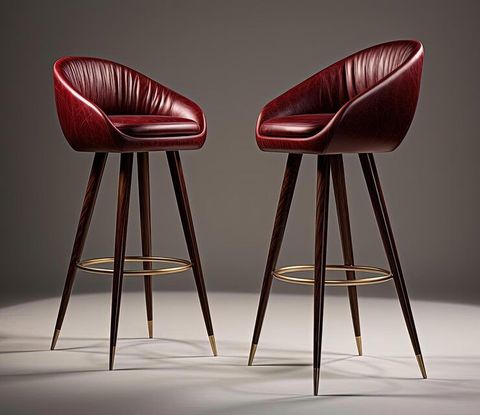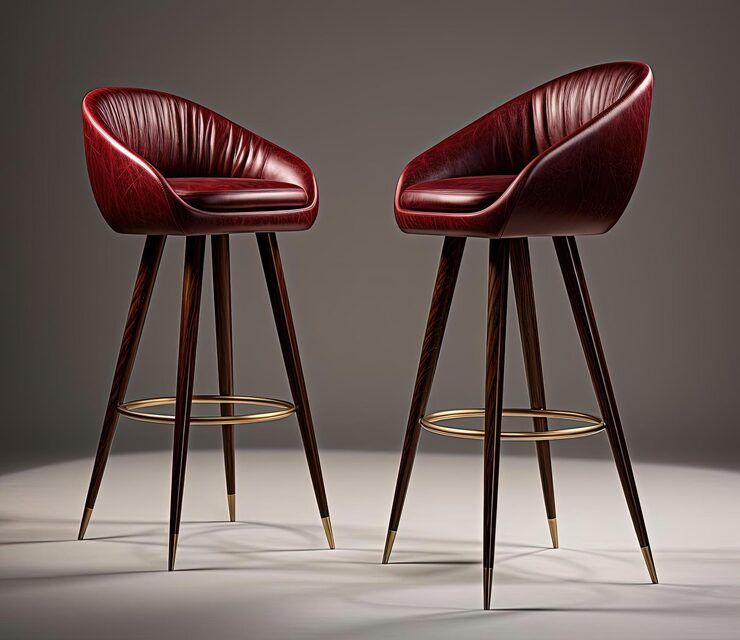
Rounded-back velvet bar chairs combine upholstered seating with a curved backrest and a raised seat designed for kitchen islands, breakfast counters, home bars, and hospitality interiors. Their appearance blends soft fabric textures with rounded shapes, creating a seating option that can complement contemporary, traditional, and transitional interior styles.
The rounded backrest is a defining feature. Unlike stools with a flat or narrow back, these chairs often wrap partially around the sitter, providing additional contact and a more enclosed seating shape. Velvet upholstery adds a soft surface and a distinctive appearance that changes slightly with the direction of the fabric pile and surrounding light.
These chairs are available in several configurations, including models with four legs, pedestal bases, footrests, swivel mechanisms, and adjustable seat heights. Understanding their construction, dimensions, upholstery, and intended use helps determine whether a particular design is appropriate for a room.
Understanding Rounded-Back Velvet Bar Chair Design
Rounded-back velvet bar chairs are typically made from a combination of a structural frame, upholstered seat, curved backrest, and supporting legs or base.
The frame may use metal, solid wood, plywood, or engineered wood. Foam padding provides cushioning, while velvet fabric forms the visible upholstery layer.
The curved backrest can support the lower or middle back, depending on the chair's height and shape. However, a rounded design does not automatically guarantee ergonomic support. Seat depth, backrest angle, cushioning, and the position of the footrest also affect comfort.
Common design features include:
Curved or semicircular backrests
Velvet or velvet-like upholstery
Padded seats
Metal or wooden legs
Integrated footrests
Swivel bases
Adjustable seat mechanisms
Contrasting frame finishes
Decorative stitching or channel detailing
Some designs have arms, while others use an open-sided silhouette that makes it easier to move in and out of the seat.
Velvet Upholstery and Frame Materials
Velvet describes a fabric construction characterized by a dense surface of short fibers. Modern velvet upholstery may be produced from polyester, cotton, viscose, or blended fibers.
Polyester velvet is common in contemporary furniture because it can provide consistent color and a durable fabric structure. Cotton and blended velvets have different textures and care requirements.
The frame material also influences appearance and maintenance. Metal legs can create a streamlined contemporary look, while wood frames may suit traditional or natural interior schemes.
Why These Chairs Matter in Interior Design
Rounded-back velvet bar chairs can help define a seating area without requiring a large furniture footprint. They are particularly relevant in open-plan kitchens, where an island often functions as a preparation surface, informal dining area, and social gathering point.
Space Planning and Functionality
The raised seat allows occupants to sit at counters that would be too high for standard dining chairs. A properly sized chair also helps maintain comfortable movement between the kitchen island, nearby cabinets, and circulation paths.
For apartments and smaller homes, compact designs can help organize a multipurpose area. However, chairs with wide backs or arms may occupy more space than their seat dimensions suggest.
Comfort and Posture
Comfort depends on the relationship between the chair and the counter. If the seat is too high, a person may need to raise their shoulders or sit in an awkward position. If it is too low, the work surface may feel uncomfortable to reach.
A footrest is particularly important for elevated seating because it gives the feet a stable place to rest.
Interior Style
Velvet introduces a textured surface that can contrast with stone countertops, timber cabinetry, metal fixtures, and smooth wall finishes.
Common color choices include:
Deep green for natural or dramatic interiors
Navy blue for a more formal appearance
Charcoal for contemporary spaces
Beige and cream for lighter interiors
Burgundy for traditional or decorative settings
Neutral grey for flexible color coordination
The overall effect depends on lighting, surrounding materials, fabric texture, and the proportions of the chair.
Recent Furniture Design Trends
During 2025 and 2026, furniture design continued to emphasize rounded silhouettes, tactile upholstery, flexible seating, and combinations of natural and manufactured materials.
Curved Furniture Shapes
Rounded furniture forms remain a visible feature of contemporary interiors. Curved backs and softened edges can create visual continuity between chairs, sofas, dining furniture, and decorative accessories.
For bar seating, the curved backrest can also help distinguish an island seating area from the straight lines of kitchen cabinetry.
Textured Upholstery
Interior design has continued to feature fabrics that provide visual depth, including velvet, bouclé, chenille, and woven upholstery. Velvet remains relevant where a smooth, light-reflective texture is desired.
Fabric selection increasingly considers not only appearance but also cleaning requirements, abrasion resistance, and suitability for everyday use.
Flexible Seating Arrangements
Compact furniture remains useful in multipurpose living spaces. Swivel mechanisms and carefully proportioned backrests can make it easier for occupants to turn toward other people without moving the entire chair.
Adjustable-height designs may also accommodate different counter arrangements, although the adjustment range and stability should be checked before selecting a model.
These are broad design tendencies rather than evidence that every rounded-back velvet chair follows the same construction or performance standards.
Laws, Safety Standards, and Furniture Requirements
Furniture requirements vary by country and intended use. Household seating may be subject to different rules or testing expectations from furniture used in restaurants, hotels, workplaces, or public buildings.
Structural Stability and Durability
Furniture safety assessments can examine load capacity, stability, strength, and durability. Relevant standards may address seating designed for domestic use or non-domestic environments.
In the United States, the American National Standards Institute and the Business and Institutional Furniture Manufacturers Association publish standards relevant to various categories of furniture. The applicable standard depends on the product type and intended environment.
In Europe, furniture may be subject to applicable European standards and national requirements. EN 12520 addresses strength, durability, and safety requirements for domestic seating, while EN 16139 addresses non-domestic seating.
A standard's applicability should be verified for the specific chair category rather than assumed from the appearance of the furniture.
Fire Safety and Upholstery
Upholstered furniture requirements can depend on the country, building type, and intended use. Certain commercial environments may have additional fire-performance requirements for upholstered seating.
Property managers and hospitality operators should check applicable local fire codes and purchasing specifications before placing furniture in regulated premises.
Accessibility and Circulation
Furniture layout can also affect accessibility. A row of bar chairs should not obstruct required exit routes, accessible circulation paths, or designated wheelchair spaces.
The Americans with Disabilities Act applies to covered facilities in the United States and establishes accessibility requirements for relevant spaces. Other countries have their own accessibility legislation and building regulations.
Tools and Resources for Selecting Bar Chairs
A few basic measurements and product specifications can make furniture selection more reliable.
Counter-Height Measurement
Measure the vertical distance from the floor to the top of the counter. A common planning guideline is to allow approximately 25–30 centimetres between the seat surface and the underside or top-level working area of the counter, depending on the design.
Typical starting ranges are shown below.
| Counter Type | Approximate Counter Height | Common Seat Height |
|---|---|---|
| Kitchen island | 86–91 cm | 56–66 cm |
| Bar-height counter | 101–107 cm | 71–81 cm |
| Custom counter | Varies | Measure individually |
These are general planning ranges, not universal specifications. The actual counter height, apron thickness, legroom, and user's proportions should guide the final selection.
Room Layout Tools
Digital room-planning applications can help estimate how chairs fit around an island or bar counter. Useful functions include furniture dimension entry, clearance measurements, floor-plan visualization, and arrangement comparison.
Upholstery and Product Specifications
Before selecting a chair, review the manufacturer's technical information for:
Overall width and depth
Seat height and depth
Backrest dimensions
Maximum supported load
Frame material
Upholstery composition
Cleaning instructions
Stability features
Warranty terms and applicable safety testing
Fabric samples can also help compare color and texture under the room's actual lighting.
Frequently Asked Questions
What makes rounded-back velvet bar chairs different from standard bar stools?
They combine raised seating with a curved upholstered backrest and a velvet surface. Their design can provide additional back contact and a softer visual appearance than backless or minimally padded stools.
Are velvet bar chairs suitable for everyday use?
They can be suitable for everyday use when their frame, upholstery, and construction match the intended level of activity. Performance depends on fabric quality, abrasion resistance, maintenance, and structural design.
How do I choose the correct bar chair height?
Measure the counter and compare it with the chair's seat height. A seat-to-counter difference of approximately 25–30 centimetres is a useful starting point, but the actual dimensions and legroom should be checked.
How should velvet upholstery be maintained?
Follow the manufacturer's cleaning instructions. Regular gentle vacuuming can remove dust, while spills should be addressed promptly using a method appropriate for the fabric. Avoid harsh chemicals or excessive moisture unless the care instructions specifically permit them.
Are rounded-back velvet bar chairs suitable for commercial interiors?
They can be used in restaurants, hotels, and other commercial environments if the selected model meets the applicable durability, stability, fire-safety, and operational requirements. Domestic furniture specifications should not automatically be assumed suitable for intensive commercial use.
Conclusion
Rounded-back velvet bar chairs combine curved upholstery, elevated seating, and a distinctive fabric texture. Their suitability depends on more than appearance: seat height, backrest design, foot support, frame stability, upholstery durability, and available floor space all influence everyday performance.
Recent furniture trends have continued to emphasize curved shapes, tactile materials, and flexible seating arrangements. At the same time, furniture safety standards and accessibility requirements remain important when choosing chairs for homes and commercial interiors.
By measuring the counter carefully, reviewing technical specifications, understanding upholstery maintenance, and checking applicable safety requirements, homeowners and interior planners can make informed decisions about rounded-back velvet bar chairs and their role in a well-organized seating area.