Portable garden seating refers to chairs, stools, benches, and other seating options designed to be moved, folded, stacked, or stored when they are not in use. These products help people create flexible outdoor spaces in gardens, patios, balconies, courtyards, campsites, and other areas where permanent furniture may not be practical.
Unlike fixed outdoor benches, portable seating can be rearranged according to the activity, available space, weather, and number of people using the area. Common designs include folding chairs, lightweight metal frames, collapsible stools, stackable plastic chairs, and portable benches.
The development of portable outdoor furniture reflects changing approaches to residential landscaping and outdoor living. Many households use balconies, small gardens, shared courtyards, and multipurpose patios that require adaptable furniture rather than permanent installations.
Understanding Portable Garden Seating
Portable garden seating combines mobility, comfort, stability, and resistance to outdoor conditions. Different designs serve different purposes, so selecting a suitable option involves more than considering appearance alone.
Folding chairs are useful when seating needs to be stored between uses. Stackable chairs can help organize larger outdoor areas, while lightweight stools may be appropriate for temporary seating during gardening or outdoor activities.
Common types include:
Folding garden chairs: Chairs that collapse for storage and transportation.
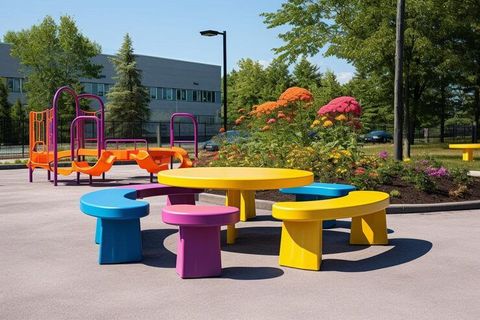
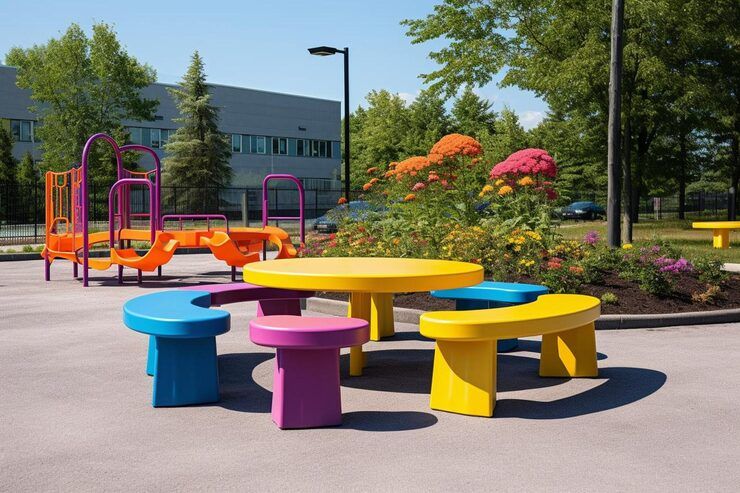
Portable garden benches: Seating units designed to be moved between outdoor locations.
Stackable patio chairs: Chairs that can be arranged vertically to reduce storage space.
Collapsible stools: Compact seating intended for occasional use.
Portable lounge chairs: Adjustable seating designed for relaxation.
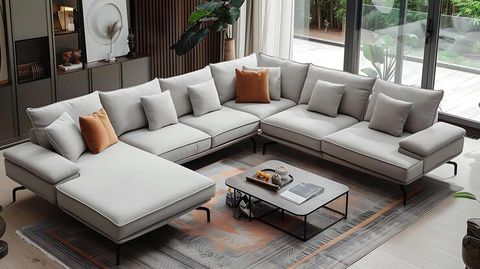
Modular outdoor seating: Separate pieces that can be rearranged into different configurations.
Camping chairs: Lightweight folding designs intended for outdoor recreation.
The appropriate type depends on available space, expected frequency of use, required load capacity, and exposure to sunlight, moisture, and temperature changes.
Materials Used in Portable Outdoor Furniture
Material selection influences durability, weight, maintenance, comfort, and resistance to weather.
Aluminum is commonly used in lightweight furniture frames because it resists corrosion under many outdoor conditions. Steel frames can provide strength but may require protective coatings to limit rust. Plastic furniture is generally easy to clean, although prolonged sunlight can affect certain plastics.
Wood provides a natural appearance, but outdoor wooden furniture may require suitable finishes and periodic maintenance. Synthetic wicker and weather-resistant textiles are also used in contemporary garden seating.
| Material | Main Advantages | Important Considerations |
|---|---|---|
| Aluminum | Lightweight and corrosion-resistant | Frame joints require inspection |
| Steel | Strength and structural rigidity | Protective coatings may be needed |
| Plastic | Easy cleaning and low weight in many designs | Sunlight can cause fading or brittleness |
| Wood | Natural appearance and tactile comfort | May require sealing or treatment |
| Synthetic wicker | Textured appearance and design flexibility | Quality varies with material and construction |
| Outdoor fabric | Comfort and a wide range of textures | Drying, cleaning, and UV resistance matter |
Material performance depends on construction quality, climate, maintenance, and the specific products used.
Why Portable Garden Seating Matters
Portable seating helps people adapt outdoor spaces to different activities without permanently changing the layout.
A small balcony might need two chairs for everyday use, while a larger garden may require additional seating for gatherings. Folding or stackable designs allow the arrangement to change without occupying the same amount of space throughout the year.
Space Management
Compact outdoor areas benefit from furniture that can be folded, stacked, or moved when not needed.
Portable seating can help maintain open walking areas, create temporary dining arrangements, and accommodate different numbers of people. Storage space should still be considered because some folding chairs and benches require more room than their compact appearance suggests.
Comfort and Ergonomics
Seat height, seat depth, backrest angle, armrests, and surface firmness influence comfort.
People who expect to sit for extended periods may prefer supportive backrests and stable armrests. Short-duration seating used for gardening or occasional outdoor activities may have different requirements.
Portable furniture should also be easy to position without creating unnecessary lifting strain. Weight, grip points, folding mechanisms, and storage height can all affect usability.
Weather Resistance and Durability
Outdoor furniture is exposed to changing weather conditions. Rain, humidity, UV radiation, dust, and temperature variations can affect different materials in different ways.
Practical measures include:
Allowing wet furniture to dry before storage
Cleaning dirt and organic debris regularly
Inspecting hinges, bolts, and joints
Using suitable protective covers
Storing cushions in dry conditions
Following the manufacturer's maintenance instructions
Even furniture described as weather-resistant may not be suitable for continuous exposure to severe weather.
Recent Trends in Portable Garden Seating
During 2025 and 2026, outdoor furniture design continued to emphasize flexible layouts, compact storage, durable materials, and coordination between indoor and outdoor living spaces.
Multifunctional Furniture
Multifunctional furniture has become an important design consideration for smaller outdoor areas. Portable benches with storage compartments, folding tables with coordinated chairs, and modular seating systems allow outdoor spaces to support several activities.
These designs can be particularly useful for balconies and compact patios where permanent furniture may limit movement.
Recycled and Lower-Impact Materials
Sustainability remains a significant consideration in furniture design. Manufacturers are exploring recycled plastics, reclaimed wood, recycled metals, and materials intended to extend product life.
However, environmental performance varies by product. Recycled content alone does not establish overall sustainability because durability, manufacturing processes, transportation, repairability, and end-of-life disposal also matter.
Neutral Colors and Natural Textures
Recent outdoor design trends have continued to feature neutral colors, natural wood tones, woven textures, and simple frame designs. These choices can help seating coordinate with gardens, landscaping, and different architectural styles.
The most practical design still depends on local climate, intended use, and maintenance requirements rather than appearance alone.
Improved Portability
Some contemporary designs use lighter frames, compact folding systems, and removable components to simplify transportation and storage.
When evaluating these features, users should consider whether the folding mechanism locks securely and whether the furniture remains stable on the intended surface.
Laws, Safety Standards, and Outdoor Furniture Policies
Requirements for portable garden seating vary by country and by the setting in which the furniture is used. Residential products, public outdoor furniture, commercial seating, and furniture used in shared buildings may be subject to different rules.
Product Safety
Furniture should be designed and used according to its intended purpose and stated load limits. Folding mechanisms, hinges, locking devices, and supporting frames require particular attention because they can create pinch points or collapse hazards.
Consumers should follow the manufacturer's instructions and inspect furniture for loose fasteners, damaged frames, and worn joints.
Public Spaces and Shared Properties
Apartment complexes, residential associations, public gardens, and shared courtyards may have rules governing furniture placement, fire exits, walkways, and access routes.
Portable seating should not obstruct emergency exits, accessible paths, stairways, or other designated circulation areas. Outdoor furniture placed on balconies must also comply with applicable building and property rules.
Accessibility Considerations
Accessible outdoor spaces should provide suitable circulation routes and usable seating arrangements for people with different mobility requirements.
In the United States, the Americans with Disabilities Act establishes accessibility requirements for covered public accommodations and facilities. Specific obligations depend on the location and the nature of the premises.
Other countries have their own accessibility regulations and building requirements. Buyers and property managers should consult the applicable local standards when selecting furniture for shared or public spaces.
Tools and Resources for Choosing Portable Garden Seating
A structured evaluation can help determine which furniture design fits an outdoor area.
Space Measurement Tools
A measuring tape or digital measuring application can help record the available floor area, door width, storage dimensions, and clearance around furniture.
Before arranging chairs, allow sufficient space for people to sit down, stand up, and move through the area safely.
Material and Maintenance Guides
Manufacturer documentation can provide information about frame materials, recommended cleaning methods, weather limitations, load ratings, and storage instructions.
Material-specific care guidance is particularly useful for wood, coated steel, outdoor textiles, and synthetic wicker.
Outdoor Layout Planning
A simple floor-plan application or spreadsheet can help compare alternative seating arrangements.
Useful measurements include:
Available floor area
Chair width and depth
Walking clearance
Folding dimensions
Storage capacity
Table clearance
Required seating capacity
Portable Seating Evaluation Table
| Evaluation Factor | What to Check |
|---|---|
| Weight | Whether furniture can be moved comfortably |
| Stability | Whether it remains secure on the intended surface |
| Load capacity | Published weight limit and intended use |
| Storage | Folded or stacked dimensions |
| Material | Weather resistance and maintenance requirements |
| Comfort | Seat height, backrest, and armrest design |
| Safety | Locking mechanisms, joints, and frame condition |
| Sustainability | Recycled content, durability, and repair options |
A comparison table can make it easier to evaluate furniture according to practical needs rather than appearance alone.
Frequently Asked Questions
What is portable garden seating?
Portable garden seating includes chairs, stools, benches, and related outdoor furniture designed to be moved, folded, stacked, or stored. It is used in gardens, patios, balconies, courtyards, and recreational settings.
Which material is suitable for outdoor seating?
The appropriate material depends on climate, intended use, maintenance preferences, and weight requirements. Aluminum is often useful for lightweight frames, while treated wood, coated steel, plastic, and synthetic wicker each have different advantages and limitations.
Is folding garden furniture suitable for small balconies?
Folding furniture can help preserve open space when seating is not needed. Before selecting a design, measure the balcony and consider storage space, walking clearance, wind exposure, and applicable building rules.
How can portable garden seating last longer?
Regular cleaning, dry storage, inspection of joints and hinges, suitable protective covers, and compliance with maintenance instructions can help extend its useful life. Furniture should also be protected from weather conditions beyond its intended rating.
What safety features should portable garden chairs have?
Important features include stable legs, secure locking mechanisms, durable joints, suitable load capacity, and a frame designed for the intended use. Chairs should be inspected regularly for damage and placed on stable surfaces.
Conclusion
Portable garden seating provides flexibility for outdoor spaces that must accommodate changing activities, different numbers of people, and limited storage areas. Folding chairs, stackable seating, portable benches, and modular designs each serve different practical purposes.
Material selection, comfort, structural stability, weather resistance, and storage requirements are important factors when evaluating outdoor furniture. Recent design trends also highlight multifunctional layouts, recycled materials, and improved portability, although the performance of each product depends on its construction and maintenance.
By measuring the available space, reviewing product specifications, following safety instructions, and considering local property and accessibility requirements, households and property managers can select portable garden seating that fits their outdoor environment and intended use.