Sydney Harbour adventures cover a wide range of outdoor, cultural, and sightseeing activities around one of Australia's most recognizable waterways. The harbour connects the central city with beaches, headlands, islands, historic sites, walking tracks, and major cultural landmarks.
The Sydney Harbour Bridge and Sydney Opera House are the best-known landmarks, but the harbour extends much farther. Sydney Harbour National Park includes headlands, foreshores, islands, beaches, Aboriginal heritage sites, military structures, and walking tracks. The park covers around 400 hectares and is located close to central Sydney.
A harbour adventure can therefore be simple or highly active. Visitors can walk along the foreshore, travel by ferry, explore national park tracks, kayak in suitable areas, visit cultural attractions, or observe the harbour from a lookout.
Popular activities include:
- Walking around Circular Quay and The Rocks
- Crossing the Sydney Harbour Bridge on foot
- Exploring Sydney Harbour National Park
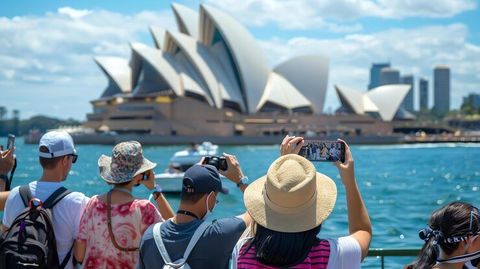
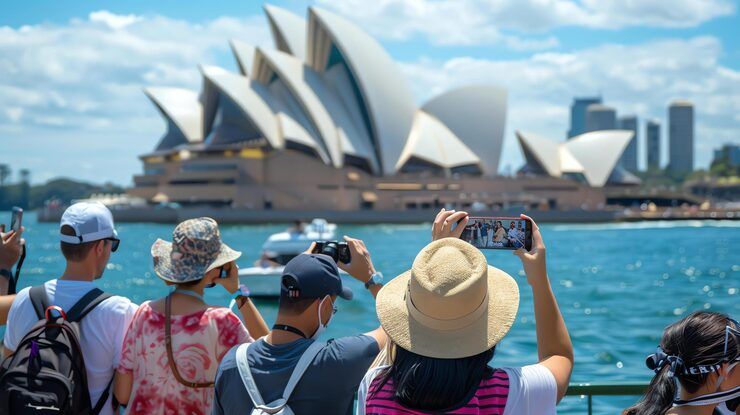
- Visiting the Sydney Opera House
- Taking a ferry across the harbour
- Exploring harbour beaches and headlands
- Kayaking or paddleboarding in appropriate areas
- Visiting historic fortifications and cultural sites
- Watching harbour events from designated public areas
Why Sydney Harbour Adventures Matter
Sydney Harbour is important because it combines natural landscapes with a major metropolitan environment. A visitor can move from the central business district to a national park, beach, historic site, or harbour island within a relatively short journey.
The harbour is also significant for Aboriginal heritage. Before British colonisation, the surrounding area was occupied by the Eora and Darug peoples. Sydney Harbour National Park contains Aboriginal sites including rock engravings and middens that reflect a long and continuing cultural history.
Outdoor activities also provide different ways to understand Sydney's geography. Walking tracks around Bradleys Head, Middle Head, North Head, Nielsen Park, and other areas provide views across the water while connecting visitors with natural and historical landscapes.
| Adventure type | Example area | Main experience |
|---|---|---|
| Walking | The Rocks to Circular Quay | Harbour landmarks and city history |
| Foreshore hiking | Bradleys Head | Nature, views and military heritage |
| Ferry travel | Circular Quay | Harbour scenery and transport |
| Cultural visit | Sydney Opera House | Architecture and performing arts |
| Island exploration | Shark or Clark Island | Heritage and harbour landscapes |
| Water activity | Selected harbour areas | Paddling and marine recreation |
The variety means visitors can create an itinerary based on walking, history, architecture, nature, photography, family activities, or water recreation.
Recent Sydney Harbour Updates in 2026
Sydney Opera House investment
On 4 August 2026, the NSW Government announced a $120 million programme of maintenance and upgrades for the Sydney Opera House. The work is intended to address infrastructure, technology, and building systems while supporting the long-term preservation of the World Heritage-listed landmark. The Opera House receives nearly 11 million visitors each year.
This is relevant to harbour visitors because the Opera House remains one of the principal destinations around Circular Quay, and some areas or activities may change as works progress.
Goat Island closure
Goat Island, also known as Me-Mel, has been closed to public and tour access from 23 April 2026 until 2 July 2027. NSW National Parks states that seawall and wharf infrastructure repairs, together with wider conservation work, are taking place during the closure.
Visitors planning an island-focused itinerary should therefore check current park alerts before travelling.
Middle Head and Georges Head works
Repair and remediation work at the Outer Forts at Middle Head and the Mine Observing Station at Georges Head began in July 2026 and is expected to continue until October 2026. Minor detours are in place on affected walking routes.
Harbour events
Sydney Harbour remains a major venue for aquatic events. The 2026 Sydney Sail Grand Prix was held from 27 February to 1 March, with navigation restrictions applying to parts of the harbour during the event period.
These restrictions demonstrate why boat users and visitors interested in water activities should check current marine notices around major events.
2026 cultural programme
The Sydney Opera House continues to host major cultural activities during 2026. Its published programme includes events such as DanceRites 2026, scheduled for 24–25 October, celebrating First Nations dance, song, and culture.
Laws, Policies and Harbour Safety
Sydney Harbour is a busy waterway, so activities on or near the water are affected by NSW marine legislation and navigation rules.
The Marine Safety Act 1998 and Marine Safety Regulation 2016 form part of the legal framework for NSW waterways. Boat operators must understand navigation rules, maintain a proper lookout, travel at a safe speed, and follow applicable give-way requirements.
Sydney Harbour also has specific navigation arrangements. The Sydney Harbour Bridge Transit Zone restricts vessels from stopping or drifting beneath the bridge except in emergencies, and vessels must not exceed 15 knots within the zone.
Personal watercraft cannot be operated anywhere on Sydney Harbour, while certain areas have additional restrictions for sailboards and other activities.
Visitors exploring Sydney Harbour National Park must also follow park regulations.
Important visitor rules include:
- Stay on sign-posted walking tracks.
- Observe temporary closure notices.
- Do not enter restricted areas.
- Recreational drone flying is prohibited in the park.
- Pets and domestic animals are generally not permitted.
- Open fires and solid-fuel burners are prohibited.
- Follow instructions from park staff and warning signs.
These measures protect visitors, wildlife, vegetation, cultural heritage, and sensitive harbour landscapes.
Planning a Sydney Harbour Adventure
A good itinerary can combine several nearby attractions rather than attempting to cover the entire harbour in one day.
For a central walking route, consider:
Circular Quay → Sydney Opera House → Royal Botanic Garden → Mrs Macquarie's Point → The Rocks
For a nature-focused day:
Manly → North Head → Sydney Harbour National Park → Manly waterfront
For a harbour-and-history itinerary:
Circular Quay → ferry journey → Bradleys Head → Middle Head
Travel conditions can vary according to weather, public events, track maintenance, ferry timetables, and park alerts.
Sydney Harbour National Park is generally open from sunrise to sunset, although closures can occur because of poor weather or fire danger.
Useful Tools and Resources
Several official resources can make planning easier.
- Transport for NSW: Provides ferry routes, stop information, timetables, departures, and travel alerts.
- NSW National Parks: Provides maps, walking-track information, park alerts, regulations, and current access information.
- Sydney Tourism: Provides information about harbour landmarks, attractions, events, itineraries, and cultural destinations.
- NSW marine notices: Useful for checking navigation restrictions during harbour events.
- Weather applications: Helpful for monitoring wind, rainfall, temperature, and visibility.
- Digital maps: Useful for walking routes, ferry connections, and locating viewpoints.
- Offline maps: Helpful in areas where mobile reception may be limited.
- Official event calendars: Useful for identifying temporary crowd or transport changes.
The NSW National Parks map is particularly useful for identifying walking tracks, park entrances, lookouts, and areas with current restrictions.
Frequently Asked Questions
What are the main Sydney Harbour attractions?
Major attractions include the Sydney Opera House, Sydney Harbour Bridge, The Rocks, Circular Quay, Royal Botanic Garden, and several areas within Sydney Harbour National Park. Different locations provide architectural, historical, natural, and cultural experiences.
Can visitors explore Sydney Harbour on foot?
Yes. Walking is one of the easiest ways to explore the harbour foreshore. Routes can connect Circular Quay, The Rocks, the Opera House precinct, Royal Botanic Garden, and other harbour viewpoints.
Can visitors use ferries to explore Sydney Harbour?
Yes. Sydney's ferry network connects many harbour locations, and Transport for NSW provides route maps, timetables, departure information, and travel alerts.
Are water activities allowed everywhere in Sydney Harbour?
No. Different areas have navigation rules and restrictions. Personal watercraft are prohibited across Sydney Harbour, while other activities may be restricted in particular zones. Anyone operating a vessel should check current NSW marine rules before entering the water.
Are all Sydney Harbour National Park locations currently open?
No. Access can change because of maintenance, conservation work, weather, fire danger, or safety concerns. In 2026, for example, Goat Island is closed through July 2027, while temporary detours are affecting parts of Middle Head and Georges Head.
Conclusion
Sydney Harbour adventures combine natural scenery, cultural heritage, architecture, walking routes, public transport, islands, and water-based recreation in one urban environment.
The harbour's appeal comes partly from its variety. A single itinerary can include the Sydney Opera House, historic streets, a ferry journey, a national park lookout, and Aboriginal or military heritage.
The 2026 updates also show that the harbour is an actively managed environment. Opera House infrastructure work, Goat Island conservation, Middle Head repairs, and temporary event restrictions can all affect visitor plans.
The best preparation is to check official transport information, park alerts, marine notices, weather conditions, and opening arrangements before heading out. Respecting navigation rules, heritage areas, wildlife, and temporary closures also helps protect Sydney Harbour for future visitors.
Whether the goal is walking, sightseeing, photography, cultural exploration, or responsible water recreation, Sydney Harbour provides many ways to experience one of Australia's most distinctive urban landscapes.