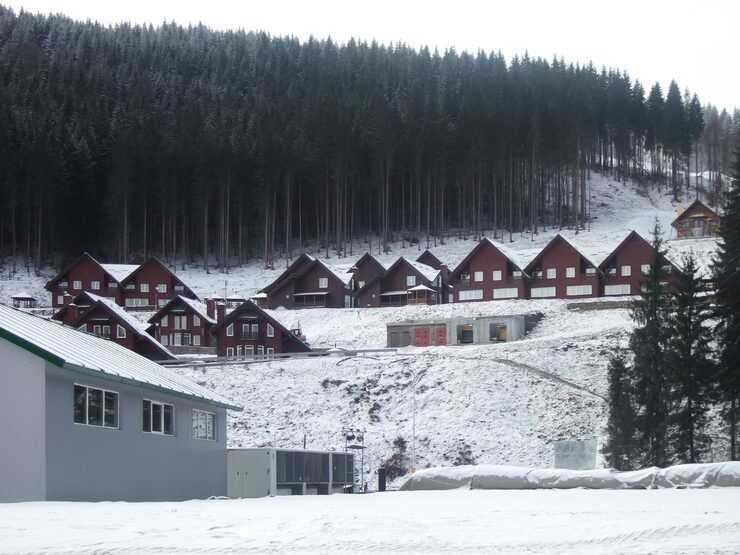
Snow village stays are accommodation experiences located in snowy destinations, mountain communities, and regions with long winter seasons. They may include traditional wooden cabins, alpine chalets, igloo-style structures, snow hotels, and villages designed around winter tourism. These places allow visitors to experience snowy landscapes while learning about local culture, architecture, and seasonal activities.
Snow village accommodation varies significantly by destination. Some villages contain permanent homes and buildings adapted to cold weather, while others include temporary snow structures that are rebuilt or maintained during winter. Certain destinations combine modern accommodation with traditional design, creating a balance between comfort and the surrounding natural environment.
Popular examples can be found in Finland, Norway, Sweden, Switzerland, Austria, Japan, and Canada's mountainous regions. Each destination has different snowfall patterns, building traditions, transportation arrangements, and winter activities.
Common Types of Snow Village Accommodation
Travelers can choose from several accommodation styles, depending on climate, accessibility, and personal preferences.
Snow hotels: Buildings made partly or entirely from compacted snow and ice, generally designed for seasonal operation.
Glass igloos: Insulated structures with transparent roofs or windows that provide views of the winter sky.
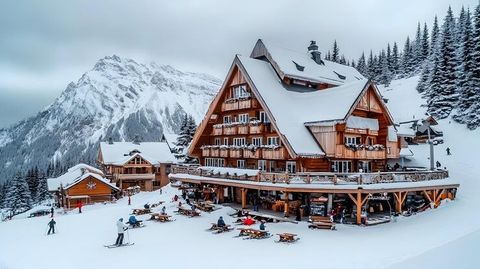
Alpine chalets: Mountain homes traditionally associated with Alpine regions, often featuring timber construction and sloping roofs.
Wooden winter cabins: Independent structures designed to provide shelter in cold and snowy conditions.
Traditional village guesthouses: Accommodation within established communities, offering opportunities to experience local food, customs, and architecture.
Remote wilderness lodges: Buildings located in forested or mountainous areas, sometimes requiring specialized transportation during winter.
Not every snow village contains every accommodation type. The available facilities depend on the local environment, infrastructure, and seasonal operating arrangements.
Why Snow Village Stays Matter in Winter Tourism
Snow village stays contribute to winter tourism by connecting visitors with landscapes and communities that experience extended cold seasons. They can support regional tourism activity while encouraging interest in local traditions, outdoor recreation, and environmental conservation.
These destinations appeal to different groups, including families, photographers, nature enthusiasts, couples, cultural travelers, and people interested in distinctive architecture. They may also provide educational opportunities related to snow formation, Arctic ecosystems, traditional building techniques, and climate adaptation.
Economic and Cultural Importance
Winter tourism can create seasonal income for accommodation operators, restaurants, transportation providers, guides, and local craft producers. In smaller communities, tourism activity may help sustain cultural events and maintain infrastructure used by residents and visitors.
However, the benefits depend on local planning. Heavy visitor traffic can place pressure on roads, waste management, water supplies, wildlife habitats, and residential areas. Responsible tourism practices help communities manage these pressures.
Architecture Designed for Cold Weather
Snow village accommodation must account for low temperatures, snow accumulation, wind, moisture, and changing daylight conditions.
Common architectural features include:
Insulated walls and windows that reduce heat loss.
Sloping roofs that help manage snow accumulation.
Heated indoor spaces and appropriate ventilation.
Entrance areas designed to limit cold air entering living spaces.
Structural systems engineered for local snow and wind loads.
Safe pathways, emergency lighting, and suitable drainage.
Snow and ice structures require additional engineering because temperature changes can affect their shape and strength. Operators must follow appropriate construction and inspection procedures.
Experiences Beyond Accommodation
Snow villages may provide access to activities that reflect the surrounding environment.
Snowshoeing and guided winter walks.
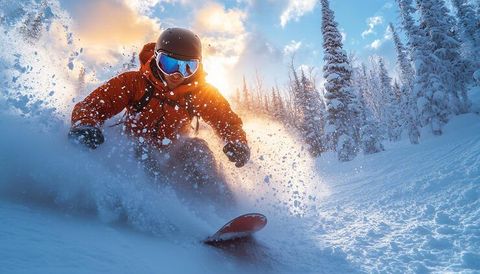
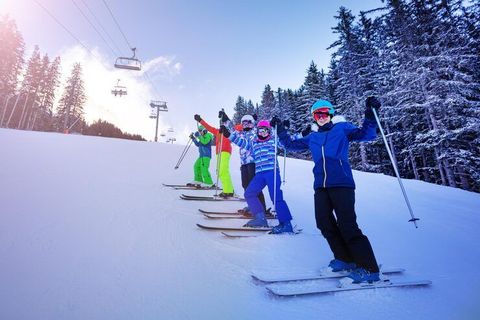
Cross-country skiing and downhill skiing in suitable locations.
Northern lights observation in high-latitude regions.
Local food experiences and cultural demonstrations.
Winter photography and wildlife observation.
Ice sculpture exhibitions and seasonal festivals.
The availability of these activities depends on weather, daylight, local conditions, and conservation requirements.
Recent Trends in Snow Village Stays
Winter tourism continued to evolve during 2025 and 2026, with growing attention to distinctive accommodation, cultural experiences, winter sports, and travel beyond traditional peak seasons. Snow village stays are part of this broader interest in experiences that combine scenery, local identity, and outdoor activities.
Winter Tourism Developments in 2025–2026
Several developments illustrate changing interest in snowy destinations.
December 2, 2025: Thomas Cook India and SOTC reported increased interest in winter experiences, including Alpine destinations, Scandinavian northern lights, and snow festivals in Japan, South Korea, and China.
January 6, 2026: China's tourism authorities reported continued expansion of ice-and-snow tourism, highlighting ice sculpture exhibitions, photography experiences, and themed winter attractions.
February 2026: Reporting from Sethan village near Manali, India, described the seasonal growth of snow-built igloo accommodation, demonstrating how smaller mountain communities are developing distinctive winter tourism experiences.
These developments indicate interest in more varied winter activities, although travel demand differs by market and season.
Sustainability and Changing Climate Conditions
Snow-dependent tourism faces challenges from changing temperatures, variable snowfall, and shorter or less predictable winter seasons in some regions. Accommodation operators may need to adapt their operating schedules, energy use, water management, and construction methods.
Sustainable practices can include:
Using energy-efficient heating and insulation.
Reducing single-use materials and managing waste responsibly.
Protecting nearby forests, waterways, and wildlife habitats.
Working with local residents and cultural organizations.
Planning visitor numbers around environmental capacity.
Providing accurate information about weather-related disruptions.
Not every destination experiences the same climate trends. Local snow records, seasonal forecasts, and long-term environmental assessments are important when evaluating a winter destination.
Laws and Policies Affecting Snow Village Stays
Snow village accommodation is subject to local rules covering tourism, building safety, fire prevention, land use, public health, environmental protection, and emergency preparedness. The exact requirements depend on the country and the type of property.
Building and Fire Safety
Permanent chalets and guesthouses generally need to comply with applicable building and fire-safety requirements. These may cover structural stability, electrical installations, heating equipment, smoke detection, emergency exits, and access for emergency responders.
Snow hotels and temporary ice structures require additional attention to material stability, temperature changes, evacuation arrangements, and structural inspections. Operators should follow relevant engineering guidance and local approvals.
Tourism and Environmental Regulations
Several destinations have specific frameworks that influence winter accommodation and visitor activities.
Finland: Accommodation establishments are affected by applicable building, fire-safety, consumer-protection, and environmental requirements.
Japan: Accommodation businesses must follow relevant lodging legislation, including requirements under the Hotel Business Act or applicable rules for private lodging.
Norway: Environmental protections, outdoor recreation rules, land-use requirements, and local tourism measures can affect activities in rural and mountain areas.
India: Homestays and other accommodation establishments may be subject to state tourism guidelines, local building rules, fire-safety requirements, and relevant registration or licensing provisions.
In Norway, legislation introducing a framework for a voluntary municipal accommodation fee took effect on July 1, 2026. Its application depends on municipal decisions and the applicable legal requirements.
Travelers should check current entry requirements, winter road restrictions, local weather warnings, and accommodation safety information before travelling. Regulations may change, and requirements for a permanent lodge can differ from those for a temporary snow structure.
Tools and Resources for Planning Snow Village Stays
Planning a winter holiday involves more than choosing a scenic place. Weather conditions, transportation, daylight hours, accommodation facilities, and activity requirements can all affect the experience.
Useful Travel Planning Tools
Weather forecasting apps: Help monitor snowfall, temperatures, wind, and winter storm warnings.
Offline navigation maps: Support navigation in remote mountain areas where mobile connectivity may be limited.
Travel budget calculators: Help estimate accommodation, transportation, meals, equipment, and activity expenses.
Packing checklists: Help organize insulated clothing, waterproof footwear, gloves, thermal layers, and other winter essentials.
Travel insurance comparison tools: Help travelers review coverage for medical treatment, winter sports, evacuation, and weather-related interruptions.
Official tourism information: Provides destination guidance, seasonal opening information, local regulations, and details about cultural attractions.
Before leaving, travelers should confirm winter road access, transportation schedules, cancellation terms, and whether the accommodation operates throughout the intended travel dates.
Snow Village Travel Preparation Checklist
Planning area | What to check |
|---|---|
Weather | Forecast, wind chill, snowfall |
Accommodation | Heating, insulation, bathroom facilities |
Transportation | Road access, transfers, winter driving conditions |
Safety | Emergency contacts, evacuation arrangements |
Clothing | Thermal layers, waterproof outerwear |
Sustainability | Waste rules, wildlife protection, local customs |
Frequently Asked Questions
What is a snow village stay?
A snow village stay is an accommodation experience in a snowy destination. It may involve a traditional mountain chalet, winter cabin, snow hotel, glass igloo, or guesthouse within a mountain or Arctic community.
Which countries are known for snow village accommodation?
Finland, Sweden, Norway, Switzerland, Austria, Japan, and Canada are known for snowy destinations and winter accommodation. India also has seasonal snow experiences in Himalayan regions, including areas near Manali. Snowfall and accommodation availability vary by location and year.
When is the best time to plan a snow village holiday?
The main winter period in many Northern Hemisphere destinations is December through March, but the best dates depend on local climate and elevation. Some snow hotels open only when temperatures and snow conditions permit, so travelers should verify seasonal operating dates.
Are snow hotels suitable for families?
Some snow destinations provide family-oriented accommodation, while certain ice rooms or remote wilderness lodges may have age restrictions or limited facilities. Families should check indoor temperatures, bathroom arrangements, child-safety measures, transportation, and emergency access before making plans.
How can travelers stay safe in snowy destinations?
Travelers should wear suitable insulated clothing, monitor weather forecasts, follow marked routes, and obey local safety instructions. In mountainous areas, avalanche warnings and road closures should be taken seriously. Remote excursions should be planned with appropriate guidance and emergency arrangements.
Conclusion
Snow village stays provide an opportunity to experience winter landscapes, distinctive architecture, local traditions, and seasonal outdoor activities. From alpine chalets and wooden cabins to glass igloos and snow hotels, accommodation options vary according to geography, climate, and local culture.
Recent winter tourism developments show continuing interest in immersive experiences and smaller destinations. At the same time, changing snow conditions, environmental pressures, and safety requirements make responsible planning increasingly important.
By checking seasonal availability, understanding local regulations, preparing for extreme cold, and respecting the surrounding environment, travelers can make informed decisions about winter accommodation. Well-planned snow village stays can support meaningful cultural experiences while contributing to the long-term sustainability of winter tourism.