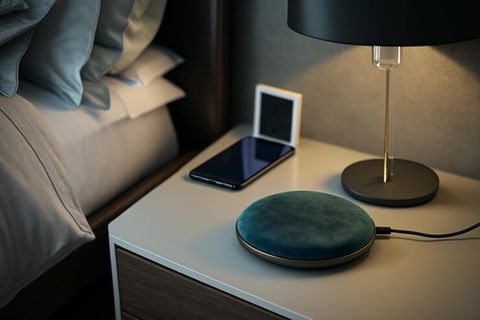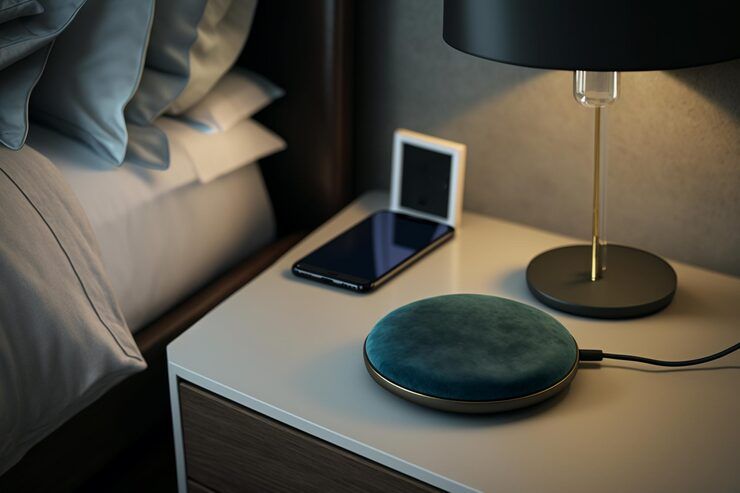
Smart wireless-charging end tables combine traditional furniture with electronic charging technology. These tables typically include a flat surface for everyday objects, a built-in wireless charging pad, and sometimes additional features such as USB ports, electrical outlets, LED lighting, storage compartments, or Bluetooth speakers.
They are designed for living rooms, bedrooms, home offices, and other spaces where people regularly charge smartphones and compatible electronic devices. By integrating charging components into furniture, these tables can reduce the need for separate charging accessories and help organize cables around frequently used areas.
The technology combines furniture design with electrical engineering, wireless power transfer, and, in some models, smart home connectivity. However, features vary considerably by model, and not every wireless-charging table supports every smartphone or electronic device.
Understanding Smart Wireless-Charging End Tables
A smart end table generally serves two purposes: providing a convenient surface for everyday activities and incorporating electronic functions into the furniture.
The wireless charging area usually contains an induction coil that transfers energy to a compatible device placed on the charging surface. The smartphone contains a corresponding receiver coil that converts the transmitted energy into electrical power.
Many products use the Qi wireless charging standard, which supports compatible smartphones and other devices. Some tables also include USB-A or USB-C ports for charging devices that do not support wireless charging.
Common features include:
Integrated wireless charging pads
USB-A and USB-C charging ports
Built-in electrical outlets
LED lighting
Drawers and concealed storage
Bluetooth speakers
Smart home connectivity in selected models
Cable management compartments
These features should be evaluated individually because the term “smart furniture” does not indicate that every product includes all these functions.
How Wireless Charging Works
Wireless charging generally relies on electromagnetic induction. A transmitter coil inside the table generates a changing magnetic field, which transfers energy to a receiver coil inside a compatible device.
For reliable charging, the device must be positioned correctly over the charging area. Alignment, charging distance, phone-case thickness, and the presence of metal objects can affect performance.
A typical charging arrangement includes:
An electrical power source connected to the table.
A transmitter and charging-control circuit inside the furniture.
A compatible device positioned over the charging area.
Communication between the charging system and the device.
Power transfer with protective controls that manage operating conditions.
Some systems can detect foreign metal objects and reduce or stop power transfer when necessary. Actual protection features depend on the charging hardware and its compliance with applicable standards.
Why Smart Wireless-Charging End Tables Matter
Smart furniture reflects a broader trend toward integrating technology into everyday household objects. Charging tables can be particularly useful in homes where smartphones, earbuds, smartwatches, and other electronic devices are used frequently.
Reducing Cable Clutter
Traditional charging arrangements often involve adapters, extension cords, and cables spread across tables and bedside surfaces.
An integrated charging pad can simplify this arrangement for compatible devices. Cable management compartments and concealed outlets may provide additional organization.
However, wireless charging does not eliminate every cable. The table itself usually requires electrical power, and devices without compatible wireless charging still need a suitable connection.
Supporting Modern Living Spaces
Wireless-charging end tables can fit into different interior design styles, including contemporary apartments, minimalist bedrooms, home offices, and multifunctional living spaces.
Their usefulness depends on how well the electronic features fit everyday routines. For example, a bedroom table may benefit from discreet charging and low-level lighting, while a living room table may prioritize storage and charging for multiple devices.
Evaluating Everyday Convenience
Before selecting a smart end table, consider the following factors:
Charging compatibility with existing devices
Wireless charging speed
Number and type of USB ports
Electrical safety features
Table dimensions and storage capacity
Ease of cleaning and maintenance
Availability of replacement power components
Furniture stability and construction quality
A table with more electronic features is not necessarily more practical. The best configuration depends on the number of devices, available space, and intended use.
Recent Developments in Wireless-Charging Technology
During 2025 and 2026, wireless charging continued to evolve through improvements in charging compatibility, power management, and device interoperability.
Qi2 Wireless Charging
The Wireless Power Consortium introduced the Qi2 standard in 2023, incorporating a Magnetic Power Profile that helps align compatible devices and charging equipment.
During 2025, Qi2 adoption continued to expand across smartphones and charging accessories. The Qi2 25W specification was also introduced in 2025, increasing the available power level for supported devices and chargers.
These developments are relevant to furniture manufacturers because integrated charging pads may need to support newer charging standards as consumer devices evolve.
A table described as Qi-compatible should not automatically be assumed to support Qi2 or Qi2 25W. The specific certification and supported power level should be verified in the product documentation.
USB-C Connectivity
USB-C continues to become more common in household electronics. Its reversible connector and broad adoption make it useful for furniture that supports multiple device types.
However, USB-C describes a connector, not a guaranteed charging speed. Actual performance depends on the power supply, port specifications, cable, and connected device.
Smart Home Integration
Some smart furniture incorporates lighting controls, wireless connectivity, or other electronic functions. These features can complement smart home systems, although compatibility varies by manufacturer and product.
For integrated furniture, clear documentation about power requirements, firmware support, and replacement components is important for long-term usability.
Laws, Policies, and Electrical Safety
Smart wireless-charging furniture combines electronic equipment with household furniture. Depending on the country, applicable requirements may address electrical safety, electromagnetic compatibility, radio equipment, energy efficiency, product labeling, and fire prevention.
Electrical Safety in the United States
In the United States, electrical furniture and charging components may be subject to applicable product safety standards and federal requirements.
UL standards and certification programs can be relevant to electrical components and furniture containing electrical systems. Certification should be checked for the actual product or component rather than inferred from a brand name or a general statement about compliance.
The Federal Communications Commission regulates certain radio-frequency equipment and electromagnetic emissions. Bluetooth-enabled furniture may therefore be subject to relevant FCC requirements.
European Union Requirements
In the European Union, electronic furniture may fall within the scope of applicable electrical safety, electromagnetic compatibility, and hazardous-substance legislation.
Depending on the product's functions, requirements can include the Low Voltage Directive, Electromagnetic Compatibility Directive, Radio Equipment Directive, and Restriction of Hazardous Substances rules.
The applicable framework depends on the product's electrical design and functions. A wireless charging pad and a Bluetooth-enabled table may not have identical regulatory obligations.
Responsible Household Use
Users should follow the manufacturer's instructions and avoid modifying electrical components.
Practical precautions include:
Using the specified power adapter
Keeping charging components away from liquids
Avoiding damaged cables and connectors
Keeping ventilation openings unobstructed
Preventing metal objects from remaining on charging pads
Avoiding excessive weight on unsupported surfaces
Disconnecting damaged equipment from power
Furniture containing electrical components should be inspected if it becomes unusually hot, produces an electrical smell, or shows signs of damage.
Tools and Resources for Smart Furniture Planning
Several resources can help evaluate charging compatibility and plan a practical home setup.
Wireless Power Consortium
The Wireless Power Consortium publishes information about Qi and Qi2 technology, certification, and wireless charging standards. Its resources can help distinguish certified products from general compatibility claims.
Device Compatibility Information
Smartphone manufacturers publish technical specifications covering wireless charging, supported power levels, and accessory compatibility.
Check the exact phone model rather than relying only on the product family name, because supported charging features can differ between models.
Room Planning and Measurement Tools
Digital room planners and measurement applications can help determine whether an end table fits beside a bed, sofa, or chair.
Useful measurements include:
Table height
Tabletop width and depth
Clearance around the furniture
Distance to electrical outlets
Drawer opening space
Cable routing requirements
Comparison Checklist
| Feature | What to Verify |
|---|---|
| Wireless charging | Qi or Qi2 compatibility |
| Charging power | Supported wattage |
| USB connectivity | Port type and power output |
| Electrical safety | Applicable certifications |
| Construction | Stability and material quality |
| Storage | Drawer size and cable access |
| Maintenance | Access to electronic components |
| Smart functions | Connectivity and compatibility |
Comparing these details helps separate useful technical specifications from general marketing descriptions.
Frequently Asked Questions
What is a smart wireless-charging end table?
It is an end table with integrated electronic features, usually including a wireless charging pad and sometimes USB ports, lighting, speakers, or storage for cables and accessories.
Do wireless-charging tables work with every smartphone?
No. The smartphone must support the charging standard used by the table. Devices without compatible wireless charging generally require a wired connection or a suitable external accessory.
What is the difference between Qi and Qi2 charging?
Qi is a wireless charging standard developed by the Wireless Power Consortium. Qi2 adds a Magnetic Power Profile designed to improve alignment between compatible devices and chargers. Newer specifications support higher power levels on compatible equipment.
Can a wireless-charging end table charge multiple devices?
Some models include several wireless charging areas or combine a wireless pad with USB ports. The number of devices that can charge simultaneously depends on the table's hardware and total available power.
Are smart wireless-charging end tables safe?
They can be safe when appropriately designed, compliant with applicable requirements, and used according to manufacturer instructions. Buyers should check electrical safety information, charging compatibility, and protection features rather than assuming every model provides the same safeguards.
Conclusion
Smart wireless-charging end tables combine everyday furniture with wireless power transfer, USB connectivity, and other electronic features. They can help organize charging areas, reduce visible cable clutter, and support the needs of modern connected households.
Developments in Qi2 technology, higher-power wireless charging, and USB-C connectivity are creating new considerations for furniture design and device compatibility. At the same time, electrical safety, product certification, durability, and maintainability remain important factors.
A practical evaluation should focus on supported charging standards, actual power output, electrical protection, furniture dimensions, and long-term component access. Understanding these details helps households assess whether an integrated charging table fits their devices, living space, and everyday requirements.