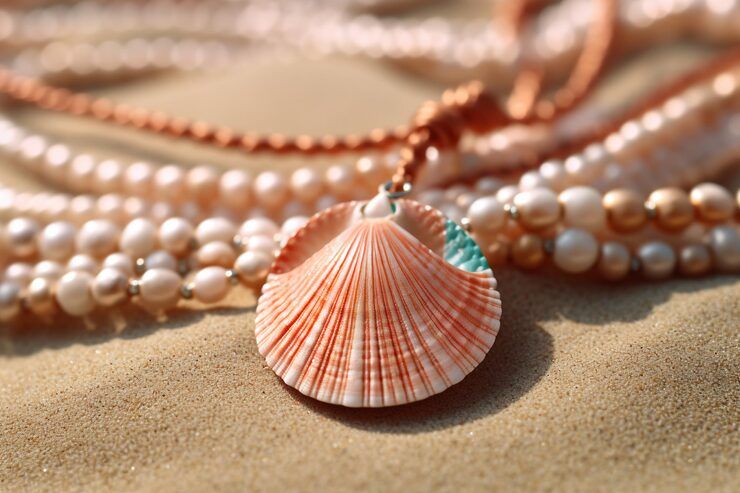
Shell jewellery has a long history across coastal cultures and modern fashion. Made partly or entirely from natural shells, mother-of-pearl, nacre, or shell-inspired materials, these pieces can range from simple necklaces and bracelets to sculptural earrings, pendants, rings, and statement accessories.
The appeal comes from the natural variation found in shells. Their curves, layers, surface patterns, and soft reflective qualities can create designs that look different from conventional metal-focused jewellery.
Understanding Shell Jewellery
Shell jewellery refers to jewellery incorporating material derived from marine or freshwater mollusc shells. Common materials include mother-of-pearl, nacre, abalone, oyster shell, cowrie shells, conch shells, and other naturally occurring shell forms.
Some pieces use whole or shaped shells, while others use thin shell layers that are cut, polished, engraved, or combined with metals, beads, gemstones, resin, wood, or textiles.
Common Shell Materials
Different shell materials have distinct visual and physical characteristics.
| Material | Typical Appearance | Common Jewellery Applications |
|---|---|---|
| Mother-of-pearl | Iridescent white or pastel surface | Earrings, pendants, rings |
| Abalone | Multicoloured reflective pattern | Inlays, pendants, statement pieces |
| Cowrie shell | Smooth curved exterior | Necklaces, bracelets, charms |
| Conch shell | Pink, cream, or warm tones | Pendants, beads, decorative pieces |
| Oyster shell | Layered natural texture | Pendants, earrings, artistic designs |
| Shell composite | Consistent manufactured appearance | Beads, decorative jewellery |
Natural shell can vary considerably from one piece to another. This variation is one reason shell jewellery is often associated with organic and coastal design themes.
Popular Shell Jewellery Forms
Common designs include:
Shell necklaces
Shell bracelets
Shell earrings
Shell pendants
Mother-of-pearl rings
Abalone jewellery
Shell bead jewellery
Layered shell chokers
Shell-and-metal combinations
Marine-inspired statement pieces
Modern designers frequently combine shell elements with silver-toned metals, gold-toned metals, pearls, beads, gemstones, cords, and polished surfaces.
Why Shell Jewellery Matters Today
Shell jewellery occupies an interesting position between natural-material design, cultural craft, fashion, and marine-inspired aesthetics.
It can appeal to people interested in coastal fashion, handcrafted design, jewellery history, natural textures, and contemporary accessories.
Connection With Coastal Design
Shell forms naturally evoke beaches, oceans, islands, and marine environments. This makes them particularly relevant during warm-weather fashion periods, although contemporary designs are increasingly worn throughout the year.
The aesthetic has also moved beyond traditional souvenir-style jewellery. Sculptural shapes, oversized pendants, polished surfaces, and mixed materials have helped create a more contemporary appearance.
Cultural and Historical Importance
Shells have been used as decorative and symbolic materials for thousands of years. Archaeological discoveries have documented shell ornaments in ancient societies across Africa, Asia, Europe, Oceania, and the Americas.
Cowrie shells, for example, have held cultural, decorative, and historical significance in several regions. This heritage makes shell jewellery more than a seasonal fashion category.
Design Flexibility
Shell material can be shaped into many forms. Designers can use:
Natural contours
Cut geometric shapes
Polished surfaces
Engraved patterns
Inlay techniques
Layered constructions
Mixed-material compositions
This flexibility allows shell elements to work with both minimalist and highly decorative jewellery styles.
Shell Jewellery Trends in 2025 and 2026
Shell jewellery experienced renewed attention during 2025 and 2026. Fashion coverage in 2025 highlighted a modern revival of shell necklaces, including larger pendants and more sophisticated interpretations of earlier puka-shell styles.
In June 2026, Vogue reported that seashell accessories were prominent in summer fashion, connecting the trend with collections and accessories influenced by marine themes. The article noted designs using mother-of-pearl, abalone, and other shell-related materials.
Harper's Bazaar also identified shell jewellery as a continuing summer 2026 trend, describing contemporary interpretations that include sculptural pendants, polished finishes, and combinations of natural shells.
From Casual to Sculptural
One important change is the movement away from only small beach-style shells toward larger and more structured designs.
Current interpretations can include:
Oversized shell pendants
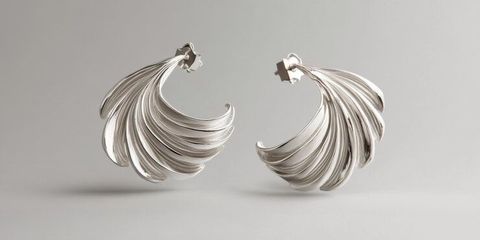
Sculptural earrings
Layered necklaces
Shell and bead combinations
Polished shell surfaces
Shell combined with metallic elements
Mother-of-pearl statement pieces
The trend reflects a broader 2026 interest in noticeable, expressive jewellery forms. ELLE also identified maritime and shell-inspired jewellery as part of the spring 2026 fashion landscape.
Digital Discovery and Jewellery Research
Social media, visual search, digital fashion publications, and image-based discovery have made niche jewellery aesthetics easier to discover internationally.
Search interest around terms such as shell necklace designs, mother of pearl jewellery, abalone jewellery, natural shell earrings, coastal jewellery trends, and shell pendant ideas can connect consumers with design information from different regions.
Global Laws, Regulations and Sustainability Considerations
Shell jewellery can involve wildlife-derived materials, so international rules may apply depending on the species, source country, destination country, and type of shell.
The most important global framework is the Convention on International Trade in Endangered Species of Wild Fauna and Flora (CITES).
CITES and Protected Shell Species
CITES regulates international trade in listed wildlife species and their parts and derivatives. Its trade database is maintained as a major reference for international wildlife trade records and currently provides data through version 2026.1.
Queen conch (Strombus gigas) is one important example. It has been listed in CITES Appendix II since 1992, and the listing covers the species and its parts and derivatives, including shells and jewellery-related products.
This means that a shell appearing to be an ordinary decorative material may still require documentation when it comes from a regulated species.
United States
In the United States, wildlife imports and exports can fall under U.S. Fish and Wildlife Service requirements. The agency states that wildlife imports and exports are generally subject to declaration and regulatory requirements, with specific exemptions and additional rules depending on the material.
Queen conch has additional restrictions in certain circumstances. U.S. Fish and Wildlife Service guidance notes restrictions concerning queen conch from particular Caribbean countries.
European Union and Other Markets
European Union countries apply CITES-related wildlife trade controls alongside EU regulations. Other countries, including Canada, Australia, Japan, the United Kingdom, and New Zealand, also maintain national wildlife-import rules.
Requirements can differ substantially depending on:
Species identification
Country of origin
Wild or captive/farmed source
Quantity
Intended purpose
Import country
Export country
Documentation
Conservation status
Therefore, checking the relevant national wildlife authority before international movement of shell jewellery is important.
Tools and Resources for Shell Jewellery
Researching shell jewellery involves material identification, care information, design references, and regulatory checking.
Useful Resources
CITES Trade Database: Useful for researching international wildlife trade records and listed species.
CITES species resources: Helpful for checking whether particular marine species fall under international trade controls.
National wildlife authority websites: Important for destination-specific import and export requirements.
Jewellery design software: Useful for planning shell settings, pendant proportions, and mixed-material designs.
Digital calipers: Helpful for measuring shell thickness and dimensions.
Jewellery polishing tools: Used for controlled surface finishing.
Material reference guides: Useful for distinguishing mother-of-pearl, nacre, abalone, conch, and other shell materials.
Digital jewellery catalogues: Helpful for comparing historical and contemporary shell designs.
Care guides: Useful for understanding exposure to chemicals, moisture, heat, and abrasion.
Shell Jewellery Care
Natural shell can require more careful handling than many durable jewellery materials.
General care practices include:
Keep shell away from harsh chemicals.
Avoid prolonged exposure to perfumes and cosmetics.
Store pieces separately to reduce scratching.
Use a soft cloth for routine cleaning.
Avoid excessive heat.
Follow material-specific care instructions for polished or treated shell.
Keep documentation when a piece contains regulated wildlife material.
The appropriate method depends on the shell type and whether it has been dyed, coated, laminated, or combined with other materials.
Frequently Asked Questions
What is shell jewellery?
Shell jewellery is jewellery incorporating natural shell, mother-of-pearl, nacre, abalone, or other shell-derived materials. Designs can include necklaces, earrings, bracelets, rings, pendants, and decorative pieces.
Is shell jewellery always made from natural shells?
No. Some pieces use natural shell, while others use shell composites, reconstructed materials, resin, ceramic, glass, or synthetic materials designed to resemble shell.
What is mother-of-pearl?
Mother-of-pearl is the iridescent inner layer of certain mollusc shells. It is also known as nacre and is widely used for jewellery, decorative objects, watch components, and inlay work.
Can shell jewellery be subject to wildlife regulations?
Yes. Certain shell species are regulated internationally or nationally. CITES controls international trade involving listed species, and requirements can extend to parts and derivatives such as shells and jewellery.
How should shell jewellery be maintained?
It is generally advisable to keep shell jewellery away from harsh chemicals, excessive heat, and unnecessary abrasion. A soft cloth and appropriate material-specific care guidance can help maintain the surface.
Conclusion
Shell jewellery combines natural marine materials with fashion, cultural history, craftsmanship, and contemporary design. Its appeal comes from the distinctive textures, colours, patterns, and shapes that shells can provide.
During 2025 and 2026, shell-inspired jewellery gained renewed visibility in international fashion coverage. Modern interpretations have moved beyond simple beach accessories toward sculptural pendants, polished surfaces, layered necklaces, statement earrings, and combinations with metals and other materials.
The environmental and regulatory side is equally important. Not every shell has the same legal status, and some marine species are subject to international conservation controls. CITES-listed materials can require documentation when moved across borders, making species identification and origin records important considerations.
For anyone researching shell jewellery, mother-of-pearl jewellery, abalone jewellery, shell necklace designs, natural shell earrings, or marine-inspired jewellery trends, understanding both design developments and material regulations provides a more complete view of this evolving jewellery category.