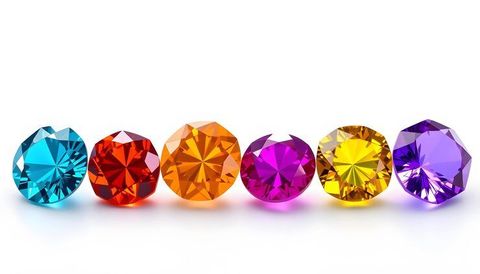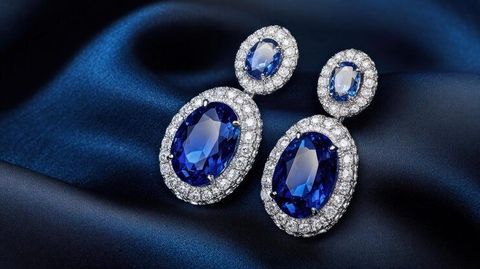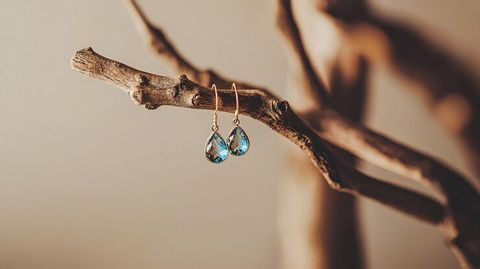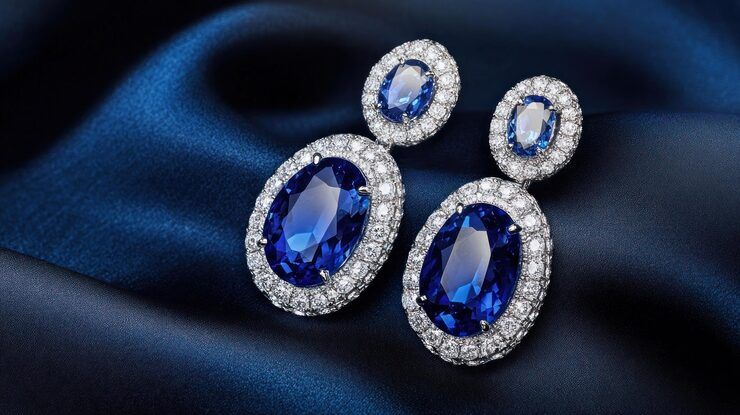
Sapphire earrings are jewelry pieces featuring sapphires, a gemstone variety of the mineral corundum. Although blue is the best-known sapphire color, sapphires also occur in pink, yellow, green, violet, orange, and other shades. Their color depends largely on trace elements and the conditions under which the crystals formed.
Sapphires have been valued across different cultures for centuries. Their combination of durability, color variety, and suitability for different jewelry designs makes them a common choice for everyday earrings, formal accessories, and special occasions.
What Makes Sapphire a Distinctive Gemstone?
Sapphire ranks 9 on the Mohs hardness scale, which measures resistance to scratching. Only diamond and a few other specialized materials rank higher on this scale. This hardness makes sapphire suitable for regular jewelry use, although it does not make the gemstone immune to chips, fractures, or damage from improper handling.
The main characteristics used to evaluate sapphire earrings include:
Color: Hue, saturation, and tone influence the gemstone's overall appearance.
Clarity: The number, size, location, and visibility of internal features affect its visual character.
Cut: The proportions and arrangement of facets influence brightness, color distribution, and sparkle.
Carat weight: This measures the gemstone's weight rather than its physical dimensions.
Treatment: Heat treatment and other processes can affect color, clarity, and market classification.
Origin: Geological origin may be relevant to provenance and gemstone valuation, but it cannot always be established confidently.
Natural and Lab-Created Sapphires
Natural sapphires form through geological processes over long periods. Lab-created sapphires are produced using controlled methods that replicate the essential crystal structure of natural sapphire.
Both consist primarily of corundum and can have similar physical and optical properties. However, their formation histories differ, and appropriate disclosure is important when evaluating jewelry.
Natural sapphires may contain mineral inclusions or growth features. Lab-created stones can display different internal characteristics associated with their manufacturing process. Specialized gemological testing can help distinguish between them.
Why Sapphire Earrings Remain Popular
Sapphire earrings combine gemstone durability with a wide range of colors and design possibilities. They appeal to people interested in classic fine jewelry, contemporary accessories, birthstone jewelry, and distinctive gemstone designs.
Everyday Wear and Personal Style
Small sapphire studs can complement everyday clothing, while drop earrings and sapphire halo designs can create a more noticeable appearance for formal occasions. The gemstone's color can also influence how it coordinates with clothing, skin undertones, and other jewelry.
Common styles include:
Blue sapphire stud earrings: Simple designs featuring one gemstone in each earring.
Sapphire halo earrings: A central sapphire surrounded by smaller accent stones.
Sapphire drop earrings: Gemstones suspended beneath a decorative setting.
Sapphire hoop earrings: Hoops incorporating sapphires along part or all of their circumference.
Fancy-color sapphire earrings: Designs featuring pink, yellow, green, or multicolored sapphires.
Vintage sapphire earrings: Designs inspired by historical jewelry periods, including Art Deco and Victorian styles.
Sapphire Earrings and Birthstone Jewelry
Sapphire is traditionally associated with September birthdays. Birthstone jewelry can carry personal significance and is frequently chosen to commemorate birthdays, anniversaries, and family milestones.
Sapphire earrings also appear in bridal jewelry because blue and other colored gemstones can complement different wedding styles. Their suitability depends on the design, setting, and the wearer's preferences rather than a universal rule about gemstone symbolism.
Recent Trends in Sapphire Earrings
Developments reported during 2025 and 2026 indicate continuing interest in colored gemstones, personalized jewelry, and designs that emphasize individual color preferences.
Growing Interest in Colored Gemstones
Industry research published in 2025 and 2026 identified sapphire as a prominent colored gemstone in jewelry. Blue remains a recognizable choice, while pink, green, yellow, and teal sapphires provide alternatives for people seeking less traditional designs.
A 2025 industry survey also highlighted interest in birthstone jewelry and brighter gemstone colors. These findings suggest that personal meaning and visual individuality are important influences on jewelry preferences, although trends vary by market and consumer group.
Contemporary Design and Gemstone Provenance
Modern sapphire jewelry increasingly includes streamlined settings, mixed gemstone colors, and designs suitable for everyday use. Some collections also emphasize gemstone origin and traceability.
Origin information can be relevant to collectors and people interested in the geological history of a stone. However, geographic origin alone does not establish gemstone quality, ethical sourcing, or environmental performance. Reliable documentation is important when such claims influence a jewelry assessment.
Market Indicators
The following figures provide context for the wider sapphire jewelry market. They relate to industry estimates and consumer preferences, not specifically to sapphire earrings.
Indicator | Reported finding |
|---|---|
Global sapphire jewelry market, 2025 | Estimated at USD 3.4 billion |
Global market estimate, 2026 | Approximately USD 3.6 billion |
Projected global market, 2033 | Approximately USD 5.4 billion |
Blue sapphire preference in a 2025 industry dataset | Approximately 22.2% of the colored gemstone types tracked |
Consumer interest in birthstone jewelry in a 2025 survey | Approximately 65% of respondents |
These figures use different methodologies and populations, so they should not be interpreted as a single market measurement. Forecasts are estimates rather than guaranteed outcomes.
Laws and Policies Affecting Sapphire Earrings
Gemstone jewelry is subject to rules concerning product descriptions, consumer protection, precious-metal purity, imports, and disclosure of relevant material characteristics. The precise requirements depend on the country where the jewelry is manufactured, imported, or supplied.
Jewelry Regulations in India
India has established standards and regulatory systems relevant to precious-metal jewelry and gemstone descriptions.
Bureau of Indian Standards (BIS) hallmarking: Hallmarking provides information about the purity or fineness of covered precious-metal articles. Applicable Indian requirements distinguish between metal purity and gemstone characteristics.
For example, a gold sapphire earring may carry a hallmark indicating the gold's fineness. That mark does not independently certify the sapphire's natural origin, treatment status, color quality, or geographic source.
Consumer protection requirements: Product descriptions should accurately represent the materials and characteristics of the jewelry. Misleading statements about gemstone identity, treatment, origin, or metal purity may raise consumer protection concerns.
Import and trade requirements: Imported gemstones and finished jewelry may be subject to applicable customs procedures, documentation, and other requirements. The relevant rules depend on the product classification and transaction.
Natural, Treated, and Laboratory-Grown Gemstones
Clear terminology is important when describing sapphire earrings. Natural sapphires, treated natural sapphires, and laboratory-grown sapphires should not be presented as interchangeable categories.
Heat treatment is commonly used to improve the appearance of some natural sapphires. Other treatments may affect color or clarity and can influence durability or long-term stability.
When assessing a gemstone, relevant documentation may identify:
Whether the sapphire is natural or laboratory-grown.
Whether a treatment has been detected.
Whether geographic origin has been determined.
The laboratory's findings and any limitations of the examination.
A gemological report can help clarify these characteristics, but the scope of the report should be understood before relying on it.
Tools and Resources for Sapphire Evaluation and Care
Several tools can help people understand sapphire quality, assess jewelry specifications, and maintain earrings appropriately.
Gemstone Identification and Assessment
Gemological laboratory reports: Document findings about gemstone identity, treatments, and, where applicable, geographic origin.
Jewelry loupe: Provides magnification for examining visible inclusions, surface features, and setting details.
Digital calipers: Measure gemstone dimensions and help compare stones of similar size.
Jewelry weight calculator: Helps estimate the metal weight of a piece when sufficient measurements are available.
Gemstone color references: Help explain differences in hue, saturation, and tone.
Jewelry appraisal documentation: Records identifying details and an assessed value for insurance or personal records.
These tools have different limitations. A loupe or phone camera cannot reliably establish whether a sapphire is natural, laboratory-grown, or treated. Such determinations may require specialized gemological testing.
Practical Sapphire Earring Care
Sapphire is relatively hard, but its setting and surrounding materials may be more vulnerable to damage. Regular inspection and appropriate cleaning can help maintain the earrings' appearance.
Recommended practices include:
Clean the earrings gently with lukewarm water, mild soap, and a soft brush when appropriate for the setting.
Rinse carefully and dry with a soft, lint-free cloth.
Store earrings separately to reduce scratches to other jewelry.
Inspect clasps, posts, prongs, and other fastening components periodically.
Avoid harsh chemicals and sudden temperature changes.
Seek professional assessment before using ultrasonic or steam cleaning, particularly for treated stones or jewelry containing other gemstones.
Frequently Asked Questions
Are sapphire earrings suitable for everyday wear?
Generally, yes. Sapphire's hardness makes it suitable for regular wear, but the setting, gemstone condition, and fastening mechanism also matter. Removing earrings before strenuous activities can reduce the risk of impact damage or loss.
How can natural sapphire earrings be distinguished from laboratory-grown ones?
Visual appearance alone is not always sufficient. Natural and laboratory-grown sapphires can look very similar. A qualified gemologist or recognized gemological laboratory can examine internal features and other characteristics to help determine their origin.
Do sapphire earrings come in colors other than blue?
Yes. Sapphires occur in pink, yellow, green, violet, orange, and several other colors. These varieties are often called fancy-color sapphires. Their appearance depends on the gemstone's composition, structure, and treatment history.
Does a higher carat weight always mean better sapphire quality?
No. Carat weight measures mass, not overall quality. Color, clarity, cut, proportions, treatment, and the condition of the gemstone are also important. Two sapphires with the same carat weight may differ substantially in appearance.
What should a sapphire earring gemological report contain?
Depending on the laboratory and report type, it may identify the gemstone, describe detected treatments, and sometimes provide an opinion about geographic origin. A report's exact scope varies, so readers should review its findings and limitations rather than assuming every report covers every characteristic.
Conclusion
Sapphire earrings offer a combination of durability, color variety, and design flexibility. From traditional blue sapphire studs to contemporary drop earrings featuring fancy-color gemstones, different styles can suit a wide range of preferences and occasions.
Understanding gemstone quality, natural versus laboratory-grown origins, treatment disclosure, precious-metal hallmarking, and appropriate care can help people evaluate sapphire jewelry more confidently. Recent interest in personalized designs and colored gemstones also demonstrates the continuing appeal of sapphire beyond conventional jewelry styles.
A thoughtful assessment should consider the gemstone, its setting, the accuracy of its description, and the documentation available. These factors provide a practical foundation for understanding sapphire earrings and their place in modern fine jewelry.