Glass Manufacturers in China are an important part of the global glass production industry, supplying materials for construction, automotive, furniture, electronics, and packaging applications. Many international buyers research Chinese manufacturers to understand product quality, production capabilities, and export procedures. However, choosing a suitable manufacturer requires more than comparing product specifications. Understanding manufacturing processes, certifications, and inspection practices can help businesses make informed decisions.
Key Takeaways
China produces several glass varieties for industrial and commercial applications.
Manufacturing capabilities differ according to factory equipment and production processes.
Quality certifications help verify compliance with relevant technical requirements.
Product specifications and shipping arrangements influence international procurement decisions.
Related Searches
Glass manufacturers in China for international markets
How to check glass manufacturing quality in China
Types of glass produced by Chinese factories
China glass manufacturing process explained
Glass factory certifications and quality standards
How to import glass products from China to India
In This Guide
Understanding the Glass Manufacturing Industry in China
Why Choosing the Right Glass Manufacturer Matters
Recent Developments in China's Glass Manufacturing Industry
Indian Regulations for Imported Glass Products
Types of Chinese Glass Manufacturers Compared
Tools and Resources for Evaluating Glass Manufacturers
Frequently Asked Questions
Understanding the Glass Manufacturing Industry in China
What Is the Glass Manufacturing Industry in China?
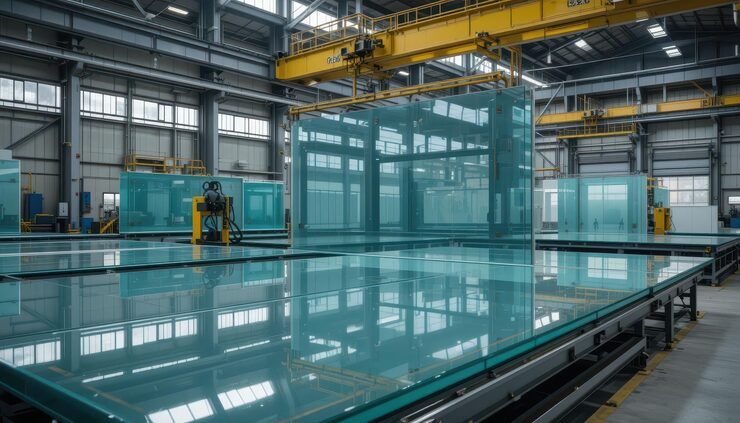
China has developed an extensive glass manufacturing industry that supplies materials to domestic industries and international markets. Production facilities manufacture different glass products using raw materials such as silica sand, soda ash, limestone, and recycled glass.
The industry includes large industrial plants, specialised processing facilities, and smaller factories producing customised glass components. Manufacturing activities cover everything from basic transparent sheets to technically processed products used in buildings, vehicles, and electronic equipment.
How Does Glass Manufacturing Work?
Glass production generally involves several stages, beginning with raw material preparation and ending with inspection and packaging.
The main manufacturing stages include:
Raw material preparation: Silica sand and other ingredients are measured and mixed.
Melting: The mixture is heated at high temperatures until it becomes molten glass.
Forming: Molten glass is shaped into sheets, containers, or other products.
Cooling: Controlled cooling reduces internal stress and improves structural stability.
Processing: Additional operations include cutting, polishing, tempering, and laminating.
Inspection: Finished products are checked for dimensions, appearance, and required performance characteristics.
Different production methods create different glass properties. Therefore, understanding the manufacturing process is important when evaluating factory capabilities.
Why Choosing the Right Glass Manufacturer Matters
Why Does Manufacturer Selection Matter?
Glass is used in applications where transparency, strength, thermal performance, and safety can influence the overall performance of a product or structure. Selecting an unsuitable manufacturer may result in dimensional inconsistencies, surface defects, incorrect specifications, or difficulties during installation.
For international businesses, manufacturer selection also affects production schedules, packaging arrangements, transportation, and documentation.
Glass Manufacturers in China serve several important industries:
Construction: Windows, facades, partitions, doors, and decorative panels.
Automotive: Windshields, side windows, rear windows, and specialised vehicle glass.
Furniture: Tabletops, cabinet doors, shelves, and decorative surfaces.
Electronics: Display panels, protective covers, and precision glass components.
Packaging: Bottles, jars, and containers for different products.
Industrial applications: Laboratory equipment, machinery components, and heat-resistant materials.
What Should International Buyers Check?
A manufacturer's production capacity alone does not establish whether its products meet a particular project's requirements.
Important evaluation points include:
Technical specifications: Confirm thickness, dimensions, transparency, colour, and tolerance requirements.
Production facilities: Understand whether the factory manufactures glass or primarily processes materials from other producers.
Quality control: Review inspection procedures, testing equipment, and documented production records.
Certifications: Check whether relevant certificates are current and applicable to the actual product.
Communication: Confirm that drawings, technical documents, and product specifications are understood correctly.
Packaging: Examine protective materials, storage conditions, and transportation arrangements.
These checks provide a clearer understanding of manufacturing capabilities and potential production limitations.
Recent Developments in China's Glass Manufacturing Industry
What Are the Current Trends in Glass Production?
Between 2024 and 2026, China's glass manufacturing sector has experienced continued attention towards energy efficiency, environmental performance, product development, and specialised applications.
One important development is the growing interest in energy-efficient architectural glass. Low-emissivity (Low-E) glass and insulated glass units are increasingly relevant to buildings designed to manage indoor temperatures and reduce energy consumption.
Another trend involves advanced glass processing. Manufacturers are developing production capabilities for laminated, coated, curved, and electronically integrated glass products.
How Is Technology Changing Glass Manufacturing?
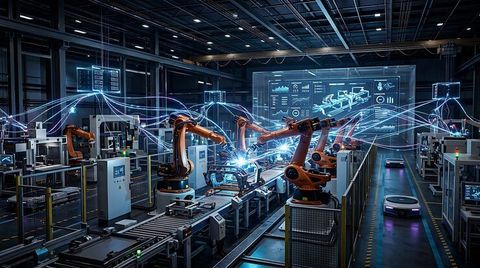
Automation and digital monitoring are becoming increasingly relevant to industrial production.
Some manufacturing developments include:
Automated cutting and edge-processing equipment.
Computer-controlled temperature monitoring.
Optical inspection systems for identifying surface defects.
Improved furnace efficiency and energy management.
Digital production monitoring and inventory management.
Increased use of recycled glass in suitable manufacturing processes.
Environmental considerations are also influencing production decisions. Glass furnaces require substantial energy, making fuel efficiency, emissions management, and waste reduction important areas of industrial improvement.
However, technology adoption varies between factories. Not every manufacturer uses the same equipment or production methods.
Indian Regulations for Imported Glass Products
What Are the BIS Requirements for Glass Imports?
Businesses importing glass products into India should understand applicable Bureau of Indian Standards (BIS) requirements.
The Safety Glass (Quality Control) Order covers specified safety glass products and identifies relevant Indian Standards.
Two important standards are:
IS 2553 (Part 1):2018: Safety glass for architectural, building, and general applications.
IS 2553 (Part 2):2019: Safety glass for road transport applications.
The applicable Quality Control Order requires covered products to comply with the relevant standard and carry the required Standard Mark under the applicable BIS certification scheme, subject to notified exemptions.
What Should Indian Importers Understand?
Importing a product from China does not automatically establish compliance with Indian requirements. Foreign manufacturing facilities and product documentation must be evaluated against the applicable Indian regulations.
Importers should consider:
Whether the product falls under a compulsory certification requirement.
Whether the manufacturer has the required BIS licence.
Whether the certification covers the specific product and manufacturing location.
Whether customs documentation and applicable import requirements are satisfied.
Whether any notified exemption applies to the particular import transaction.
The BIS Act, 2016, and applicable Quality Control Orders provide the regulatory framework. Requirements can differ by product category, so importers should verify the latest notifications before arranging shipments.
Types of Chinese Glass Manufacturers Compared
Different manufacturers specialise in different glass categories. Understanding these distinctions helps clarify which production capabilities are relevant to a particular application.
Manufacturer type | Main products | Common applications |
|---|---|---|
Float glass manufacturers | Clear and tinted flat glass | Buildings and windows |
Tempered glass manufacturers | Heat-treated safety glass | Doors, partitions, furniture |
Laminated glass manufacturers | Glass with interlayers | Windshields and building facades |
Insulated glass manufacturers | Double or multiple glazing units | Energy-efficient buildings |
Decorative glass manufacturers | Patterned, frosted, coloured glass | Interiors and furniture |
Specialty glass manufacturers | Low-E, borosilicate, and technical glass | Electronics and industrial applications |
Float Glass vs Tempered Glass: What Is the Difference?
Float glass is produced by allowing molten glass to spread across a bath of molten tin, creating a relatively flat and uniform sheet. It can subsequently undergo additional processing.
Tempered glass is produced by heating glass and then rapidly cooling it under controlled conditions. This process increases its strength compared with equivalent untreated glass. When broken, it generally fragments into smaller pieces rather than large sharp shards.
These materials have different characteristics and applications, so they are not interchangeable in every situation.
Tools and Resources for Evaluating Glass Manufacturers
Several information resources can help businesses understand Chinese glass production and assess manufacturing documentation.
Bureau of Indian Standards (BIS): Provides information about Indian product standards, certification schemes, and applicable Quality Control Orders.
China National Enterprise Credit Information Publicity System: Helps examine company registration details and publicly available business information.
Alibaba: Provides manufacturer directories, product specifications, and company profiles for initial research.
Made-in-China: Contains information about manufacturing companies, product categories, and industrial equipment.
Global Trade Data Platforms: Resources such as ImportGenius and Panjiva provide trade-related information that can help examine shipment patterns.
Technical Inspection Templates: Product inspection checklists can record thickness, dimensions, surface appearance, edge quality, packaging conditions, and test results.
Business directories should be treated as starting points rather than independent proof of manufacturing capability. Company registration, factory identity, product certifications, and inspection records should be checked separately.
Frequently Asked Questions
1. How Do I Find Glass Manufacturers in China?
Businesses can research manufacturers through industrial directories, trade databases, company registration records, and manufacturing exhibitions. Factory capabilities and product documentation require separate verification.
2. Are Glass Manufacturers in China Suitable for International Projects?
Chinese manufacturers produce glass for several international markets. Suitability depends on product specifications, quality controls, applicable regulations, and export documentation.
3. What Certifications Should Glass Manufacturers in China Have?
Requirements depend on the destination market and glass application. Relevant standards may include BIS, ISO 9001, and applicable international safety standards.
4. What Is the Difference Between Float and Laminated Glass?
Float glass is a basic flat-glass product, while laminated glass consists of multiple glass layers bonded using an interlayer.
5. Can Glass Imported From China Be Used in Indian Buildings?
Yes, subject to the applicable Indian building requirements, product standards, safety specifications, and compulsory certification rules where relevant.
Conclusion
Glass Manufacturers in China operate across several industrial segments, producing materials for construction, transportation, furniture, electronics, and packaging. Manufacturing methods, technical capabilities, and quality management systems vary between facilities. International businesses should understand product specifications, factory capabilities, inspection procedures, and destination-country regulations before making procurement decisions. For Indian imports, applicable BIS requirements are particularly important when dealing with regulated glass categories.