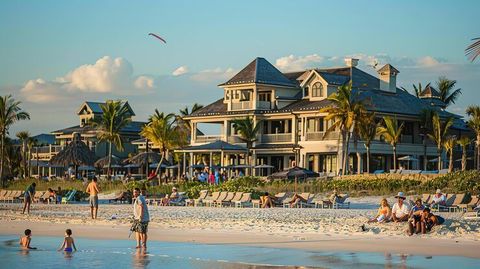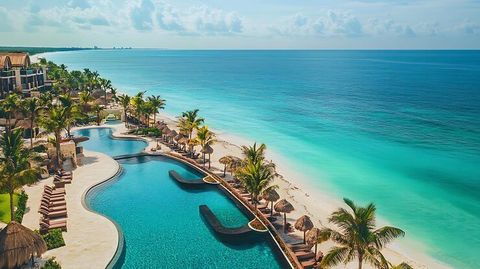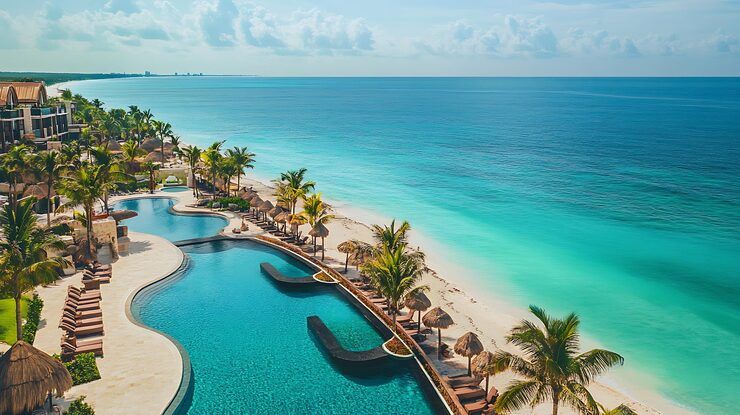
Mexican beach resorts are located along the country's Pacific coast, Caribbean shoreline, Gulf of Mexico, and Baja California Peninsula. These destinations combine beaches, coastal landscapes, accommodation, recreational activities, local culture, and access to marine environments.
Mexico's extensive coastline supports a wide range of coastal destinations. Cancun and the Riviera Maya are known for Caribbean beaches and access to the Mesoamerican Reef system, while Los Cabos is recognized for desert landscapes, rocky coastlines, and the meeting of the Pacific Ocean and Gulf of California. Puerto Vallarta combines a Pacific shoreline with a historic city center and nearby mountain scenery.
Beach resorts differ in their geography, climate, surrounding communities, and recreational opportunities. Understanding these differences helps travelers choose destinations based on their interests, seasonal conditions, transportation needs, and environmental considerations.
Understanding Mexico's Main Beach Regions
Mexico's coastal tourism industry includes several distinct geographical regions, each with its own landscape and visitor experience.
Cancun and the Riviera Maya: Located along the Caribbean coast of Quintana Roo, this region features sandy beaches, coral reef environments, coastal lagoons, and access to archaeological sites. Playa del Carmen and Tulum are also part of the wider regional tourism landscape.
Los Cabos: Located at the southern end of the Baja California Peninsula, Los Cabos includes Cabo San Lucas and San José del Cabo. The region combines desert terrain, rocky headlands, marine wildlife, and beaches with varying swimming conditions.
Puerto Vallarta and the Riviera Nayarit: This Pacific coastal region features sheltered bays, green hills, fishing communities, and beaches with different levels of development.
Huatulco: Located in Oaxaca, Huatulco is known for its bays, coastal vegetation, and protected natural areas. Its landscape includes beaches, forested hills, and marine environments.
Acapulco: This historic Pacific destination is known for its bay, waterfront development, and long-standing role in Mexico's domestic tourism industry.
Types of Beach Resorts
Mexican coastal accommodation ranges from large integrated resort complexes to smaller properties near towns and fishing communities.
Common categories include:
All-inclusive resorts with accommodation, meals, and selected activities bundled together
Luxury coastal resorts emphasizing privacy, architecture, and recreational facilities
Family-oriented properties with activities for different age groups
Wellness-focused retreats with fitness and relaxation facilities
Eco-conscious accommodation emphasizing environmental management
Boutique properties integrated into established coastal towns
The most suitable option depends on location, accessibility, facilities, personal preferences, and the surrounding environment. A resort's beachfront location does not necessarily mean the adjacent sea is suitable for swimming throughout the year.
Why Mexican Beach Resorts Matter
Coastal resorts contribute to Mexico's tourism economy and influence transportation, hospitality, recreation, conservation, and the development of coastal communities.
Tourism and Local Communities
Beach destinations attract domestic and international visitors, supporting economic activity across accommodation, restaurants, transportation, cultural attractions, and recreational activities.
Tourism can also create challenges when development places pressure on housing, water supplies, waste management, coastal ecosystems, and public infrastructure. Responsible planning helps balance visitor activity with the needs of permanent residents.
Marine and Coastal Environments
Mexico's beaches support important natural environments, including coral reefs, mangroves, dunes, lagoons, and habitats for marine wildlife.
These ecosystems can help stabilize shorelines, support biodiversity, and contribute to the resilience of coastal areas. Resort development that ignores these natural systems can increase erosion, pollution, and habitat loss.
Seasonal Travel Considerations
Weather patterns influence the suitability of different destinations throughout the year. The Caribbean coast experiences a hurricane season that officially runs from June through November in the Atlantic basin, while Pacific destinations have their own seasonal storm risks.
Visitors should also consider sea conditions, heat, humidity, rainfall, and seasonal seaweed accumulation when planning coastal activities.
Destination | Main Landscape | Important Consideration |
|---|---|---|
Cancun | Caribbean beaches | Seasonal seaweed and storm conditions |
Riviera Maya | Beaches, reefs and coastal lagoons | Reef protection and swimming conditions |
Los Cabos | Desert coast and rocky headlands | Strong currents at some beaches |
Puerto Vallarta | Bay, beaches and green hills | Seasonal rainfall and ocean conditions |
Huatulco | Bays and natural areas | Protected habitats and local access rules |
Acapulco | Pacific bay and urban coastline | Current beach conditions and local advisories |
Recent Developments and Trends
During 2025 and 2026, Mexican coastal tourism continued to adapt to environmental pressures, changing visitor expectations, and major infrastructure and destination-management priorities.
Sustainable Tourism and Coastal Protection
Environmental management has remained a significant issue for Caribbean destinations, particularly Cancun, Playa del Carmen, and Tulum. Seasonal sargassum accumulation can affect beaches, swimming conditions, coastal ecosystems, and the appearance of shorelines.
During 2025, coastal authorities and research organizations continued monitoring sargassum movements and developing approaches to collection and management. Conditions vary by location and weather, so a clear beach in one area does not guarantee similar conditions elsewhere.
Hurricane Preparedness
Hurricane preparedness remains essential for Mexico's coastal destinations. The 2025 Atlantic hurricane season ran from June 1 through November 30, while the eastern Pacific season officially began May 15 and ended November 30.
In 2026, travelers should continue to monitor official forecasts and local emergency announcements during the relevant storm seasons. Resorts and local authorities may change beach access, transportation arrangements, or outdoor activities when conditions deteriorate.
Demand for Nature-Based Experiences
Interest in nature-based travel continues to influence coastal tourism. Activities such as snorkeling, wildlife observation, guided nature walks, and visits to protected landscapes are part of the wider experience in several Mexican beach regions.
However, activities involving coral reefs, sea turtles, marine mammals, and other protected wildlife may be subject to specific environmental restrictions. Visitors should follow local guidance and avoid activities that disturb animals or sensitive habitats.
Laws, Policies, and Environmental Protection
Mexico's coastal tourism sector is affected by federal environmental legislation, local land-use rules, marine conservation measures, and public safety requirements.
Environmental Regulations
Mexico's General Law of Ecological Balance and Environmental Protection establishes a broad framework for environmental protection and the regulation of activities that may affect natural resources.
The General Law of Wildlife also provides protection for wildlife and their habitats. These laws are relevant to coastal development, protected species, wetlands, and sensitive marine environments.
Projects in designated ecological areas may require environmental assessments or specific authorizations, depending on the activity and location.
Public Beach Access
Mexico's beaches are generally part of the country's public maritime-terrestrial domain, subject to applicable legal rules. Resort development does not automatically make the entire adjacent beach private.
Nevertheless, practical access can be affected by the location of entrances, neighboring land, safety restrictions, and local arrangements. Visitors should follow official access guidance and respect clearly marked restricted areas.
Marine Protected Areas
Mexico has established protected natural areas that include coastal and marine environments. These areas may impose restrictions on fishing, anchoring, wildlife interaction, boating, and other activities.
Visitors participating in snorkeling, diving, or boat excursions should follow applicable rules and avoid touching coral, removing marine organisms, or feeding wild animals.
Safety and Travel Advisories
Travelers should check official weather alerts, local beach warnings, and relevant government travel advisories. Some beaches have strong currents or dangerous surf despite calm-looking conditions.
Warning flags, lifeguard instructions, and temporary closures should always take priority over general travel descriptions.
Tools and Resources for Planning
Several resources can help visitors research Mexican coastal destinations and prepare for changing conditions.
Weather and Hurricane Information
Official meteorological forecasts help travelers monitor rainfall, wind, storm development, and heat. Hurricane forecasts are particularly important during the Atlantic and eastern Pacific storm seasons.
Maps and Transportation Planning
Digital maps can help compare resort locations, airport connections, nearby towns, beaches, and attractions. Visitors should also check transportation schedules and travel times before planning activities across widely separated coastal areas.
Environmental and Beach Information
Useful research topics include:
Seasonal sargassum conditions
Water quality and beach advisories
Marine protected areas
Swimming and surf safety
Local wildlife protection rules
Temporary beach closures
Hurricane preparedness
Information from Mexican environmental authorities and local destination organizations can help travelers understand conditions at individual locations.
Resort Comparison Checklist
Before choosing a destination, compare:
Beach conditions and swimming suitability
Distance from the airport
Accessibility to local communities
Available recreational activities
Environmental management practices
Seasonal weather patterns
Accessibility requirements
Current safety information
Frequently Asked Questions
Which Mexican beach regions are most popular?
Cancun, the Riviera Maya, Los Cabos, Puerto Vallarta, Huatulco, and Acapulco are among Mexico's established coastal destinations. They differ in climate, landscape, recreational activities, and surrounding communities.
When is the best time to visit Mexican beach resorts?
The most suitable period depends on the destination and planned activities. Winter and early spring often provide comfortable conditions in many coastal regions, while summer can bring higher temperatures, rainfall, and tropical storm risks. Seasonal sargassum can also affect some Caribbean beaches.
Are all Mexican resort beaches suitable for swimming?
No. Some beaches experience strong currents, powerful waves, rocky underwater terrain, or changing water conditions. Visitors should check local warnings and follow lifeguard instructions before entering the sea.
Are Mexican beaches open to the public?
Mexico's beaches are generally part of the public maritime-terrestrial domain, although access routes and temporary restrictions can vary. Visitors should consult local authorities when access is unclear.
What should travelers check before visiting a Mexican beach resort?
Travelers should review weather forecasts, hurricane alerts, swimming conditions, seasonal seaweed reports, transportation arrangements, and applicable environmental rules. These checks can help identify temporary restrictions and changes that may affect outdoor activities.
Conclusion
Mexican beach resorts combine coastal landscapes, marine ecosystems, recreational activities, and local cultural experiences. From the Caribbean shoreline of Cancun and the Riviera Maya to the Pacific coast of Puerto Vallarta and the desert landscapes of Los Cabos, each region provides a different setting for coastal travel.
Tourism contributes to local economies, but coastal development also creates responsibilities related to public access, water management, wildlife protection, and environmental conservation. Recent attention to sargassum management, hurricane preparedness, and nature-based tourism highlights the importance of understanding local conditions.
By comparing destinations carefully, checking current weather and beach information, and respecting environmental regulations, visitors can make more informed decisions about exploring Mexico's diverse coastal regions.