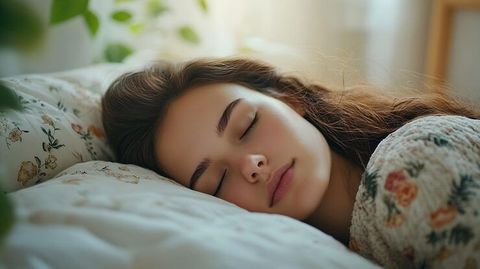
Sleep is an essential biological process that supports physical health, emotional well-being, memory, concentration, and everyday functioning. However, irregular schedules, stress, excessive evening screen use, uncomfortable sleeping environments, and lifestyle habits can make it difficult for some people to fall asleep or remain asleep throughout the night.
Better sleep naturally focuses on practical, non-medication approaches that support the body's normal sleep patterns. These include maintaining a consistent sleep schedule, creating a comfortable bedroom, managing daily stress, getting appropriate daylight exposure, and developing a relaxing bedtime routine.
Natural approaches do not guarantee that every sleep problem will disappear. Persistent insomnia, loud snoring, breathing interruptions, or ongoing daytime fatigue may indicate an underlying condition that requires professional assessment.
Understanding the Body's Sleep Cycle
Sleep is regulated by several interacting biological processes. Two particularly important mechanisms are the circadian rhythm and sleep pressure.
The circadian rhythm is the body's internal timing system. It responds to environmental cues, especially light and darkness, and helps regulate when a person feels alert or sleepy.
Sleep pressure builds during waking hours and generally decreases during sleep. Long or late afternoon naps can reduce this pressure and make it harder for some people to fall asleep at their usual bedtime.
Melatonin is a hormone involved in the body's response to darkness. Its release is influenced by the internal clock and environmental light conditions. Maintaining regular sleep and waking times and receiving daylight during the day can help support this rhythm.
Common Factors That Affect Sleep
Sleep quality can be influenced by several everyday factors:
Irregular bedtime and waking schedules
Bright light and stimulating screen use late at night
Caffeine consumed too close to bedtime
Heavy meals shortly before sleeping
Alcohol use, which can disrupt sleep later in the night
Stress, worry, and mental stimulation
Noise, excessive light, or uncomfortable room temperatures
Limited physical activity during the day
Certain medications or underlying health conditions
Identifying which factors apply to an individual's routine can make it easier to select realistic changes.
Why Better Sleep Matters
Consistent, sufficient sleep supports several important functions, including learning, attention, emotional regulation, immune function, and physical recovery.
Adults generally need at least seven hours of sleep each night, although individual needs vary with age, health, and circumstances. Teenagers and younger children typically require more sleep than adults.
Benefits of Healthy Sleep Habits
Good sleep habits can help support:
Better concentration and memory
More stable mood and emotional regulation
Daytime alertness and productivity
Normal immune function
Physical recovery after exercise
Healthy metabolic and cardiovascular function
Safer performance during driving and other demanding activities
Sleep improvement is not simply about spending more time in bed. Sleep quality, regularity, and alignment with the body's internal clock also matter.
Who May Benefit From Better Sleep Routines?
People with changing work schedules, students with demanding study routines, frequent travelers, parents managing family responsibilities, and adults experiencing everyday stress may find consistent sleep habits particularly helpful.
However, healthy routines cannot replace appropriate medical care for sleep disorders. Persistent difficulties may require assessment for conditions such as chronic insomnia, sleep apnea, restless legs syndrome, or circadian rhythm disorders.
Recent Developments in Sleep Research
Sleep science continues to examine how daily habits, environmental conditions, and technology affect sleep duration and quality.
Sleep Health Research in 2025
Research and public-health discussions during 2025 continued to emphasize the importance of regular sleep schedules, adequate sleep duration, and the relationship between sleep and long-term health.
Researchers increasingly examine sleep regularity alongside total sleep time. Two people may report similar sleep durations but experience different levels of daytime alertness because their schedules, sleep continuity, or underlying health differ.
Wearable Sleep Tracking
Smartwatches, fitness trackers, and bedside monitoring devices have become common tools for recording estimated sleep duration, movement, and sleep timing.
These devices can help people recognize broad patterns, such as consistently late bedtimes or insufficient time allocated for sleep. However, consumer devices do not measure every aspect of sleep accurately, and estimates of individual sleep stages may differ from clinical measurements.
Sleep tracking should therefore be treated as a source of general information rather than a medical diagnosis.
Light Exposure and Digital Habits
Research continues to examine the effects of evening light, screen use, and irregular schedules on sleep timing.
Bright light at night can interfere with the body's normal preparation for sleep, particularly when exposure occurs close to bedtime. The effect varies according to brightness, timing, duration, and individual sensitivity.
Practical approaches include dimming household lights in the evening, reducing stimulating activities before bed, and obtaining outdoor light during the morning or early part of the day.
Laws, Policies, and Public Health Guidance
Sleep is influenced by public-health recommendations, workplace conditions, road safety policies, and regulations concerning products marketed for sleep.
Public-Health Recommendations
In the United States, the Centers for Disease Control and Prevention emphasizes adequate sleep as an important component of overall health. Its general guidance recommends at least seven hours per night for most adults aged 18–60.
Other public-health organizations provide age-specific recommendations because sleep requirements change throughout life.
These recommendations are general guidelines rather than a guarantee that a particular duration will be sufficient for everyone.
Workplace and Driving Safety
Fatigue can affect attention, reaction time, judgment, and decision-making. Workplace safety rules and transportation regulations in different countries may address fatigue risks in particular occupations, including commercial driving and other safety-sensitive activities.
People who feel dangerously sleepy should avoid driving or operating hazardous equipment until they are sufficiently alert.
Regulation of Sleep Products
Products marketed for sleep may be subject to different rules depending on their ingredients, intended use, and country of sale. Dietary supplements, medicines, and medical devices can fall under different regulatory frameworks.
Claims that a natural product guarantees immediate or permanent relief from sleep difficulties should be treated cautiously. Natural ingredients can have side effects or interact with medications, and evidence for effectiveness varies.
Practical Ways to Improve Sleep Naturally
Improving sleep often begins with small, repeatable changes rather than a complete lifestyle overhaul.
Maintain a Consistent Sleep Schedule
Going to bed and waking up at approximately the same time every day helps reinforce the body's internal clock.
Try to keep the schedule reasonably consistent on weekends as well. If a change is necessary, adjust bedtime gradually instead of making a sudden, substantial shift.
Create a Relaxing Bedtime Routine
A predictable wind-down period can help the transition from daytime activity to sleep.
Useful activities include:
Reading a printed book
Taking a warm bath or shower
Practicing gentle stretching
Listening to calm music
Trying slow breathing exercises
Writing down concerns or tasks for the following day
Choose activities that feel calming rather than stimulating. Avoid turning bedtime into a demanding routine that creates additional pressure.
Improve the Bedroom Environment
A comfortable sleeping environment can reduce distractions and support uninterrupted rest.
Factor | Practical Approach |
|---|---|
Lighting | Keep the bedroom dark at night |
Temperature | Maintain a comfortably cool environment |
Noise | Reduce disturbances or use suitable background sound |
Bedding | Choose comfortable, supportive bedding |
Electronics | Silence unnecessary notifications |
Air quality | Maintain suitable ventilation |
Individual preferences vary, so the goal is to create an environment that supports comfortable, consistent sleep.
Adjust Caffeine and Evening Meals
Caffeine can remain active in the body for several hours. Coffee, tea, energy drinks, cola, and some chocolate products may affect sleep when consumed late in the day.
Consider avoiding caffeine for at least six hours before bedtime, and earlier if you are particularly sensitive to it.
Large meals close to bedtime may cause discomfort or worsen reflux for some people. A lighter evening meal and adequate time for digestion may be helpful.
Alcohol can make some people feel sleepy initially but may fragment sleep later in the night. Avoid relying on alcohol as a sleep aid.
Include Regular Physical Activity
Walking, cycling, swimming, and other forms of regular physical activity can support general health and may improve sleep quality.
The ideal timing varies by person. If vigorous exercise close to bedtime makes you feel more alert, try moving it earlier. Gentle stretching or relaxed walking may be more suitable during the evening.
Tools and Resources for Sleep Improvement
Several simple tools can help people observe their habits and make gradual adjustments.
Sleep diary: Record bedtime, waking time, estimated time spent asleep, nighttime awakenings, caffeine intake, and daytime alertness. A diary can help identify recurring patterns.
Sleep schedule planner: Calculate a consistent bedtime based on your waking time and the amount of sleep you need, allowing additional time to fall asleep.
Relaxation applications: Guided breathing, meditation, and calming audio can support a relaxing evening routine. These tools are optional and should not become another source of pressure.
Wearable trackers: Smartwatches and fitness bands can help monitor approximate sleep timing and duration. Use longer-term patterns rather than relying on a single night's sleep-stage estimates.
Professional guidance: A healthcare professional can help assess persistent insomnia, unusual nighttime movements, loud snoring, breathing interruptions, or excessive daytime sleepiness.
Frequently Asked Questions
How can I improve sleep naturally?
Start by maintaining consistent sleep and waking times, obtaining daylight during the day, limiting late caffeine, creating a comfortable bedroom, and following a relaxing bedtime routine. Make changes gradually and observe which habits help.
How many hours of sleep do adults need?
Most adults aged 18–60 should aim for at least seven hours per night. Individual needs vary, and some adults need more to feel rested and function well during the day.
Does avoiding screens before bed help?
Reducing bright light and stimulating screen activities during the evening may help some people prepare for sleep. Dimming screens, reducing notifications, and choosing quieter activities before bedtime are practical approaches.
Are natural sleep supplements always safe?
No. Natural ingredients can cause side effects, interact with medicines, or be unsuitable for particular people. Evidence varies between products. Consult a qualified healthcare professional before using supplements, especially during pregnancy or when taking other medicines.
When should someone seek professional help for sleep problems?
Seek medical guidance when sleep difficulties persist, interfere with everyday activities, or occur alongside loud snoring, breathing pauses, unusual nighttime behaviors, or severe daytime sleepiness. Persistent insomnia may benefit from cognitive behavioral therapy for insomnia, commonly called CBT-I, an evidence-based treatment.
Conclusion
Better sleep naturally begins with understanding the body's sleep patterns and creating daily habits that support them. Consistent schedules, suitable light exposure, regular physical activity, reduced late caffeine, relaxation, and a comfortable bedroom can all contribute to healthier sleep.
Technology can help identify broad patterns, but sleep trackers cannot replace professional assessment when symptoms persist. Similarly, natural supplements are not automatically safe or effective simply because they are described as natural.
A practical approach is to make a few manageable changes, maintain them consistently, and observe how daytime energy and nighttime rest respond. When sleep difficulties continue or affect daily functioning, appropriate professional guidance can help identify the underlying cause and determine the next steps.