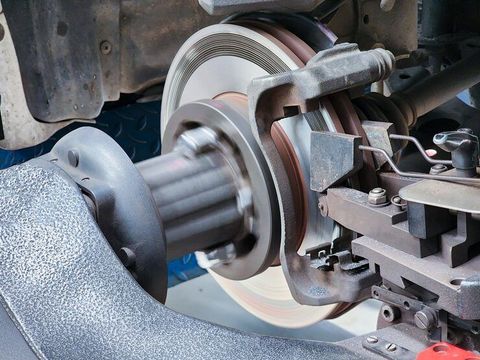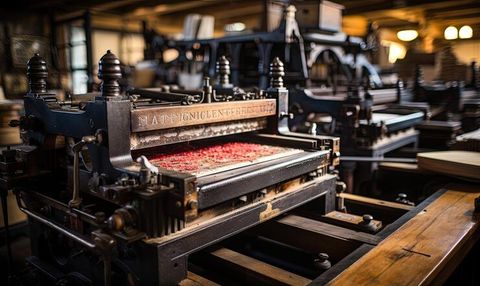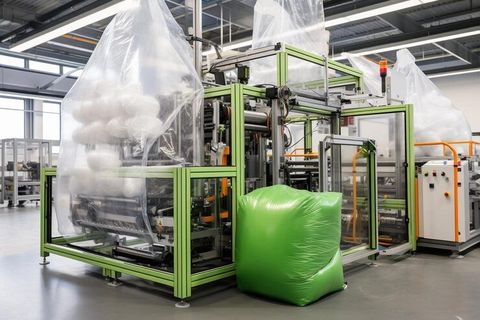
Hot press machines are industrial systems that apply heat and pressure to materials to create, shape, bond, or consolidate products. They are used in industries such as woodworking, furniture manufacturing, rubber processing, electronics, automotive components, and advanced composite production.
The basic principle is straightforward: a material is placed between heated surfaces or inside a heated mold, and controlled pressure is applied for a specified period. Heat softens certain materials, activates adhesives, supports chemical reactions, or helps layers bond together. Pressure promotes contact between surfaces and can improve the consistency of the finished product.
Different hot press machines are designed for different materials and production requirements. A woodworking press may bond decorative laminates to panels, while a rubber molding press shapes elastomers inside a mold. A laboratory hot press may consolidate composite materials under carefully controlled temperature and pressure conditions.
Understanding Hot Press Machine Technology
A typical industrial hot press includes a pressing frame, heated platens or molds, a pressure-generation mechanism, a heating system, and a control unit.
Hydraulic hot press machines use hydraulic cylinders to generate pressing force. Pneumatic systems use compressed air in applications that require relatively lower forces, while some specialized machines use mechanical or electromechanical drives.
The heating system may use electric resistance elements, thermal oil, steam, or other engineered heating arrangements. The appropriate design depends on the required operating temperature, material characteristics, production speed, and process consistency.
Common types of hot press machines include:
Hydraulic hot presses: Apply controlled force to materials and molds.
Woodworking hot presses: Bond veneers, laminates, plywood, and engineered wood panels.
Rubber molding presses: Shape rubber compounds through heat and pressure.
Thermal lamination presses: Bond decorative or protective layers to substrates.
Composite material presses: Consolidate fiber-reinforced materials and engineered laminates.
Laboratory hot presses: Support material research and small-scale process development.
Continuous hot pressing systems: Process suitable materials through an ongoing production line.
Each type has different operating limits and tooling requirements. A machine designed for wood panels, for example, may not be appropriate for high-temperature composite processing.
How a Hot Press Machine Works
The operating sequence varies by application, but most systems follow a similar process.
Material preparation: Operators inspect, clean, measure, and position the material. Adhesives, release films, molds, or protective layers may be added where necessary.
Heating: The platens or mold are brought to the specified operating temperature. Temperature sensors help monitor conditions.
Pressing: The machine applies the required pressure for a defined period. The combination of heat, force, and time determines how the material behaves during processing.
Cooling or curing: Depending on the material, the product may need to cool under pressure or remain in the mold while a chemical reaction completes.
Release and inspection: The finished component is removed and examined for defects such as incomplete bonding, uneven thickness, warping, or surface damage.
Process settings must be established for the specific material and product. Excessive temperature or pressure can damage a component just as insufficient heat or force can produce a weak bond.
Importance of Hot Press Machines in Modern Manufacturing
Hot press machines play an important role in producing consistent components from materials that require heat-assisted bonding or shaping. They help manufacturers control product thickness, surface finish, bonding strength, and dimensional accuracy.
Industrial Applications
Hot pressing is used across several manufacturing sectors:
Woodworking and furniture: Bonding veneers, laminates, plywood, and engineered wood panels.
Automotive manufacturing: Producing rubber components, composite panels, and selected interior parts.
Electronics: Laminating circuit materials and processing specialized electronic components.
Construction: Manufacturing engineered boards, insulation panels, and selected building materials.
Advanced materials: Consolidating carbon-fiber composites, ceramic powders, and other engineered materials.
Rubber manufacturing: Molding seals, gaskets, mats, and other rubber products.
Production Quality and Efficiency
Accurate control of temperature, pressure, and pressing time helps reduce defects such as uneven bonding, trapped air, surface marks, and inconsistent thickness.
Automated controls can also record operating conditions for quality assurance. However, results depend on material preparation, machine condition, mold design, and the suitability of the process settings.
Recent Developments in Hot Press Technology
Recent industrial developments have emphasized automation, improved process monitoring, energy management, and integration with digital manufacturing systems.
Automation and Digital Controls
Modern hot press systems increasingly use programmable logic controllers (PLCs), digital temperature sensors, pressure transducers, and automated loading systems. These components help operators maintain repeatable processing conditions and identify deviations during production.
Some systems also record cycle data for production monitoring and quality documentation.
Energy Efficiency
Manufacturers are paying greater attention to heating efficiency, insulation, standby energy use, and hydraulic system performance. Better thermal insulation and appropriately controlled heating can reduce unnecessary energy consumption.
The actual energy savings depend on machine design, operating schedules, material requirements, and maintenance practices.
Advanced Composite Manufacturing
Hot pressing continues to support the production of lightweight composite components used in transportation, electronics, and industrial equipment. Research and development activities focus on improving material consolidation, reducing processing defects, and controlling temperature distribution across larger pressing surfaces.
These developments are relevant to manufacturers working with advanced polymers, fiber-reinforced materials, and multilayer structures.
Digital Monitoring and Predictive Maintenance
Sensors can monitor hydraulic pressure, motor temperature, platen temperature, and operating cycles. When integrated with maintenance software, this information can help identify unusual operating patterns before they lead to production interruptions.
These capabilities are increasingly associated with Industry 4.0 manufacturing, although their availability varies by machine model and factory infrastructure.
Laws, Regulations, and Workplace Safety
Hot press machines combine high temperatures, mechanical force, and potentially hazardous moving parts. Their operation requires suitable safety controls and compliance with applicable local regulations.
Machinery Safety in the United States
The Occupational Safety and Health Administration (OSHA) establishes workplace safety requirements in the United States. Relevant requirements can include machine guarding, electrical safety, hazard communication, operator training, and safe maintenance procedures.
OSHA's machine-guarding guidance identifies crushing and pinch-point hazards around presses. Appropriate safeguards may include fixed barriers, interlocked guards, two-hand controls, and presence-sensing devices, depending on the machine and its application.
European Machinery Regulations
The European Union's Machinery Regulation, Regulation (EU) 2023/1230, is scheduled to apply generally from January 20, 2027. It establishes requirements for machinery safety, conformity assessment, and related responsibilities.
Manufacturers and operators should determine which requirements apply to their equipment, including relevant transitional provisions and other applicable legislation.
Industrial Safety Practices
Facilities operating hot press machines should establish procedures for:
Keeping hands away from pressing areas
Using appropriate machine guards
Checking emergency-stop functions
Monitoring operating temperature and pressure
Isolating electrical and hydraulic energy during maintenance
Training operators
Inspecting hoses, heating elements, and control systems
Using suitable heat-resistant protective equipment where required
Safety procedures should reflect the machine manufacturer's instructions and the hazards identified in the workplace.
Tools and Resources for Hot Press Machine Planning
Several technical resources can help manufacturers assess equipment suitability, production requirements, and operational performance.
Technical Documentation
Machine manuals, engineering drawings, electrical diagrams, hydraulic schematics, and maintenance schedules provide essential information about operating limits and required procedures.
These documents should identify permitted temperature ranges, rated pressing force, platen dimensions, operating sequences, and maintenance requirements.
Process Monitoring Tools
Useful tools include:
Digital temperature controllers
Pressure gauges and transducers
Data loggers
PLC-based monitoring systems
Energy meters
Preventive maintenance software
Quality inspection checklists
These tools help document operating conditions and identify variations that could affect finished products.
Equipment Evaluation Table
Evaluation Factor | What to Assess |
|---|---|
Pressing force | Required force for the material and application |
Temperature range | Maximum and operating temperature requirements |
Platen dimensions | Workpiece size and production layout |
Heating method | Electric, steam, thermal oil, or another suitable system |
Control system | Manual, programmable, or automated operation |
Energy consumption | Heating and hydraulic power requirements |
Safety features | Guards, interlocks, and emergency stops |
Maintenance | Inspection intervals and component availability |
Manufacturers should evaluate the complete production process rather than selecting equipment based on pressing force alone.
Frequently Asked Questions
What is a hot press machine used for?
A hot press machine applies heat and pressure to bond, shape, or consolidate materials. Common applications include plywood production, laminate bonding, rubber molding, composite manufacturing, and selected electronics processes.
What is the difference between a hydraulic hot press and a pneumatic press?
A hydraulic hot press uses pressurized fluid to generate force and is suitable for applications requiring substantial pressing pressure. A pneumatic press uses compressed air and is generally suited to applications requiring lower forces or faster, lighter operations.
Which factors determine hot press machine performance?
Performance depends on pressing force, temperature accuracy, heating uniformity, cycle time, material preparation, mold design, and control-system reliability. Maintenance and operator training also affect consistency.
How is safety maintained when operating a hot press machine?
Safety depends on suitable machine guarding, emergency stops, operator training, temperature controls, safe material handling, and proper isolation of energy sources during maintenance. Specific safeguards depend on the equipment and applicable regulations.
What industries use industrial hot press machines?
Hot press machines are used in woodworking, furniture manufacturing, automotive production, rubber molding, construction materials, electronics, and advanced composite manufacturing.
Conclusion
Hot press machines are important manufacturing systems that combine controlled heat and mechanical pressure to produce bonded, molded, or consolidated materials. Their applications range from engineered wood panels and rubber components to advanced composites and specialized electronic materials.
Developments in automation, digital monitoring, energy management, and composite processing are helping manufacturers improve process consistency and monitor equipment performance. However, the effectiveness of any system depends on selecting appropriate operating conditions for the material and maintaining the equipment correctly.
A sound equipment assessment should consider pressing force, temperature range, platen dimensions, control capabilities, energy requirements, maintenance needs, and workplace safety. Combining appropriate machine design with trained operators and effective quality control supports consistent manufacturing and responsible industrial operation.