Infinity symbol jewellery uses the familiar sideways figure-eight shape to represent concepts such as continuity, permanence, connection, and an unending cycle. The symbol has become a recognizable design element in rings, necklaces, bracelets, earrings, pendants, and other jewellery forms.
The mathematical infinity symbol is commonly associated with the idea of something without an endpoint. Jewellery designers have adapted this visual form into both minimalist and decorative pieces, sometimes combining it with gemstones, initials, hearts, knots, or other motifs.
The design can be produced in gold, silver, platinum, stainless steel, and other jewellery metals. Gemstones such as diamonds, sapphires, rubies, and colored stones may also be incorporated.
Common Infinity Jewellery Designs
Infinity motifs can appear in several configurations:
Infinity symbol necklaces
Infinity pendants
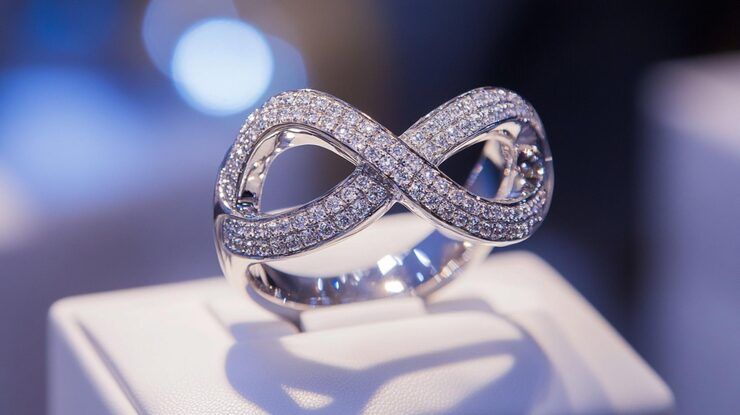
Infinity rings
Infinity bracelets
Infinity earrings
Double-infinity designs
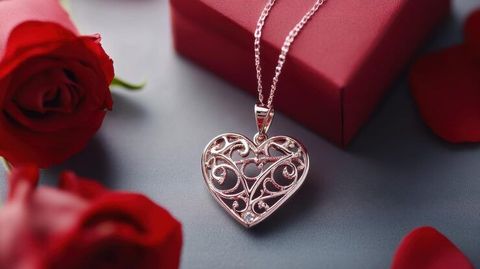
Infinity and heart combinations
Infinity and diamond designs
Infinity and birthstone jewellery
Interlocking infinity motifs
The proportions of the symbol can vary significantly. Some designs use a clearly recognizable figure-eight outline, while others incorporate the shape subtly into a larger jewellery structure.
Materials and Finishes
Infinity jewellery can use different metals and surface treatments.
| Material | General Characteristics | Common Application |
|---|---|---|
| Yellow gold | Warm metallic appearance | Rings, pendants, necklaces |
| White gold | Pale metallic appearance | Diamond and gemstone designs |
| Rose gold | Pink-toned appearance | Contemporary jewellery |
| Sterling silver | Bright, neutral appearance | Everyday jewellery |
| Platinum | Dense, naturally white metal | Fine jewellery |
| Stainless steel | Durable metal option | Fashion jewellery |
Finishes can include polished, matte, brushed, hammered, textured, or mixed surfaces.
Why Infinity Symbol Jewellery Matters Today
Infinity jewellery occupies a recognizable place within the fine jewellery, gold jewellery, diamond jewellery, symbolic jewellery, and personalized jewellery categories.
Its popularity is partly connected to the simplicity of the shape. A figure-eight can communicate an idea without requiring a detailed pictorial design.
Symbolism and Personal Meaning
The infinity motif is commonly interpreted as representing:
Continuity
Enduring connection
Friendship
Family bonds
Personal milestones
Long-term relationships
Cycles and renewal
Permanence
These interpretations are cultural and personal rather than fixed definitions. The same design can have different meanings for different people.
Applications in Jewellery Design
Infinity motifs can be used as the primary design element or incorporated into another structure.
For example, a pendant may combine an infinity outline with a gemstone, while a ring can integrate the shape into two interlocking bands.
The symbol can also be incorporated into personalized jewellery using initials, dates, birthstones, or engraved elements.
Design Versatility
The relatively simple geometry makes the motif adaptable to many jewellery styles:
Minimalist designs
Contemporary jewellery
Classic gold jewellery
Gemstone jewellery
Layered necklace arrangements
Personalized pieces
Matching jewellery sets
The same symbol can therefore appear in both understated and highly decorative designs.
Recent Jewellery Trends in 2025–2026
The broader jewellery industry experienced substantial changes during 2025 and 2026, particularly because of elevated gold prices, changing consumer preferences, and increasing interest in lighter-weight jewellery.
Higher Gold Prices and Lighter Jewellery
The World Gold Council reported that global gold jewellery demand fell 23% year over year in Q1 2026 to 299.7 tonnes, while the value of global jewellery demand reached a record US$47 billion. The organization noted that record gold prices encouraged consumers toward lower-weight jewellery in several markets.
This trend can influence infinity jewellery through smaller pendants, thinner bands, lighter chains, and more efficient metal construction.
Indian Jewellery Trends
India experienced a similar shift during the first half of 2026. In Q2 2026, Indian jewellery demand fell 15% year over year to 75.1 tonnes, while the value of jewellery demand increased 34% year over year. The World Gold Council reported greater movement toward lighter-weight, lower-carat, and studded jewellery as consumers adapted to high gold prices.
For infinity designs, this environment can encourage designs that preserve the recognizable motif while reducing overall metal weight.
Gold Demand Recovery During 2026
By August 2026, the World Gold Council reported that Indian jewellery demand was strengthening after gold prices had stabilized following a sharp June correction. Retailers were also replenishing inventories ahead of the festive period.
This illustrates how jewellery design and purchasing patterns can respond to changing gold-market conditions.
Contemporary Design Directions
Recent design directions relevant to infinity jewellery include:
Lightweight gold pendants
Small infinity symbols
Diamond-accented motifs
Mixed-metal designs
Matte and polished combinations
Geometric interpretations
Personalized jewellery
Layered necklace styling
Colored gemstone accents
These trends vary across markets and are not universal preferences.
Laws, Hallmarking and Jewellery Policies in India
India provides an important regulatory example because gold jewellery in covered categories and districts is subject to BIS hallmarking requirements.
Hallmarking applies to the precious-metal component rather than the symbolic meaning or design of the jewellery.
BIS Gold Hallmarking
The Bureau of Indian Standards explains that hallmarking is the official determination and recording of the proportion of precious metal in covered articles.
Applicable hallmarked gold jewellery can contain the BIS logo, fineness information, and a six-digit Hallmark Unique Identification number. The BIS Care App provides a way to verify HUID information.
Recognized gold fineness grades include:
14K — 585
18K — 750
20K — 833
22K — 916
23K — 958
24KS — 995
An infinity symbol does not have a separate hallmarking category simply because of its shape. The applicable requirements depend on the precious-metal article and the relevant rules.
2026 Hallmarking Updates
BIS's mandatory-hallmarking framework was amended during 2026. The official BIS page lists amendments dated March 2, April 28, and August 3, 2026, in addition to earlier amendments. The page was updated September 1, 2026.
On March 2, 2026, BIS added seven districts to the sixth phase of mandatory hallmarking coverage: Rupnagar in Punjab, Banda in Uttar Pradesh, Beed in Maharashtra, Gomati in Tripura, Katihar in Bihar, Beawar in Rajasthan, and Neemuch in Madhya Pradesh.
Because the framework can change, current BIS information should be checked when determining whether a particular article falls within mandatory hallmarking coverage.
Metal Purity and Design Information
Hallmarking should not be confused with a general assessment of jewellery quality.
For an infinity gold ring, for example:
The hallmark concerns applicable gold purity.
The HUID identifies the hallmarked article.
A gemological report can address gemstones where applicable.
The design description explains the infinity motif.
Measurements describe the physical dimensions.
These forms of information address different characteristics.
Tools and Resources for Infinity Symbol Jewellery
Researching infinity jewellery can involve symbolism, jewellery design, measurements, metal purity, gemstones, and care.
Useful Resources
BIS Care App: Helps verify HUID information for applicable hallmarked gold jewellery.
BIS Hallmarking Portal: Provides current information about India's hallmarking framework.
Digital calipers: Useful for measuring pendant dimensions and ring widths.
Jewellery scales: Measure the weight of a jewellery article.
Gold purity references: Explain different karat grades and fineness markings.
Jewellery CAD software: Helps create and visualize infinity-shaped designs.
3D modelling tools: Useful for evaluating proportions before production.
Gemstone reference charts: Help identify common gemstone characteristics.
Diamond grading resources: Useful when an infinity design incorporates diamonds.
Jewellery care guides: Provide information about cleaning and storage for different metals and gemstones.
World Gold Council research: Provides current information about gold demand and jewellery-market developments.
Design Specifications Worth Comparing
When researching infinity symbol jewellery, useful specifications include:
Symbol dimensions
Pendant width and height
Ring width
Chain length
Metal purity
Total article weight
Surface finish
Gemstone type
Gemstone dimensions
Setting style
Clasp type
Hallmark information
The size of an infinity symbol can significantly change its visual appearance. A narrow figure-eight can appear delicate, while a wide or sculptural version can become the dominant element of a jewellery piece.
Frequently Asked Questions
What does infinity symbol jewellery represent?
Infinity jewellery is commonly associated with continuity, enduring connection, permanence, and an unending cycle. The specific meaning is personal and can vary between individuals and cultures.
What types of jewellery use the infinity symbol?
The motif appears in rings, necklaces, pendants, bracelets, earrings, charms, and other jewellery forms. It can also be combined with hearts, diamonds, initials, birthstones, or other decorative elements.
Which metals are commonly used for infinity jewellery?
Gold, silver, platinum, stainless steel, and other jewellery metals can be used. Gold designs can be produced in different purity levels and colors depending on alloy composition.
Does the infinity shape affect gold hallmarking in India?
The symbol itself does not create a separate hallmarking category. Applicable hallmarking requirements relate to the precious-metal article and the relevant Indian regulations. BIS's mandatory hallmarking framework has continued to be amended through 2026.
Can infinity jewellery contain diamonds or gemstones?
Yes. Diamonds, sapphires, rubies, emeralds, birthstones, and other gemstones can be incorporated into infinity designs. Gemstone documentation, when relevant, addresses characteristics separate from the precious-metal hallmark.
Conclusion
Infinity symbol jewellery combines a simple geometric form with a wide range of personal and cultural interpretations. Its figure-eight shape can represent continuity, connection, permanence, or other meanings chosen by the wearer.
The motif is adaptable to gold rings, diamond pendants, bracelets, earrings, necklaces, and personalized jewellery. Designers can further vary its appearance through metal color, surface texture, gemstone accents, proportions, and mixed-metal construction.
Recent gold-market conditions have encouraged greater attention to lightweight jewellery. In India, jewellery demand volumes declined during the first half of 2026 while overall spending remained comparatively strong, with the World Gold Council reporting increased interest in lighter-weight and lower-carat jewellery.
India's BIS hallmarking framework also continued to develop during 2026, including additional district coverage and amendments to the mandatory hallmarking order.
For anyone researching infinity gold jewellery, diamond infinity rings, infinity pendants, or personalized infinity jewellery, the most useful factors to examine are the symbol's proportions, metal purity, weight, gemstone characteristics, construction, finish, and applicable hallmark information.
The continuing use of the infinity motif demonstrates how a simple mathematical symbol can become a flexible jewellery design language, combining geometric form with individual meaning and contemporary craftsmanship.