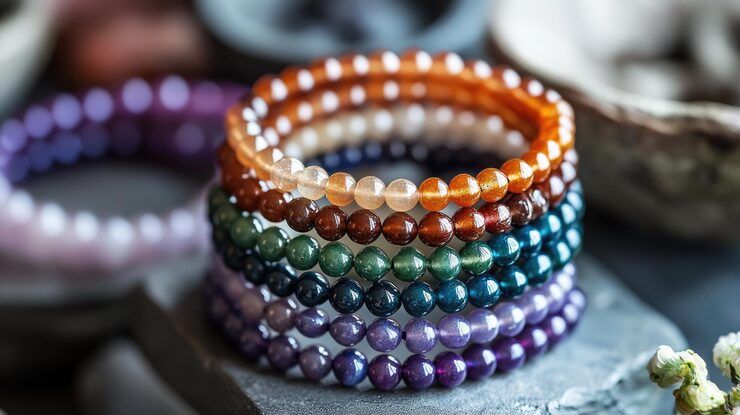
Casual beaded bracelets are jewelry accessories made by arranging beads along a flexible cord, elastic thread, wire, or chain. They can feature natural stones, glass, wood, ceramic, metal, acrylic, or other decorative materials. Their simple construction and wide range of designs make them suitable for everyday outfits, informal gatherings, travel, and personal styling.
Unlike formal jewelry that may be designed for special occasions, casual bead bracelets often emphasize comfort, versatility, color, and individual expression. Some designs use a single type of bead, while others combine different shapes, textures, and materials to create a distinctive appearance.
Beaded jewelry has a long history across many cultures. Beads have been used for decoration, personal identity, cultural expression, and ceremonial purposes. Contemporary casual bracelets build on these traditions while incorporating modern colors, minimalist designs, and a variety of manufacturing techniques.
Understanding Casual Beaded Bracelet Designs
The appearance and durability of a beaded bracelet depend on the materials, bead arrangement, fastening method, and cord construction.
Common design styles include:
Minimalist bracelets: Small beads arranged in a single, understated pattern.
Gemstone bead bracelets: Natural or treated stones arranged by color, texture, or size.
Wooden bead bracelets: Lightweight beads with natural grain and earthy colors.
Glass bead bracelets: Colorful or translucent beads with smooth or decorative surfaces.
Mixed-material bracelets: Combinations of metal, ceramic, wood, glass, and stone.
Elastic stretch bracelets: Beads threaded onto elastic cord for convenient wear.
Adjustable cord bracelets: Sliding knots or adjustable closures that accommodate different wrist sizes.
Each style creates a different visual effect. Smaller beads generally produce a delicate appearance, while larger beads create a more noticeable accessory.
Common Materials Used in Beaded Bracelets
The materials used in casual bracelets influence their weight, texture, maintenance requirements, and overall appearance.
| Material | Main Characteristics | Care Considerations |
|---|---|---|
| Natural stone | Varied colors and patterns | Avoid hard impacts |
| Glass | Smooth surfaces and many color options | Protect from strong impacts |
| Wood | Lightweight with natural grain | Keep away from prolonged moisture |
| Ceramic | Decorative finishes and varied shapes | Avoid dropping |
| Stainless steel | Durable metallic details | Clean with a soft cloth |
| Acrylic | Lightweight and available in many colors | Avoid excessive heat |
| Freshwater pearls | Soft luster and natural variations | Avoid chemicals and abrasion |
Not all beads are equally durable. Some natural stones are relatively hard, while others can scratch, chip, or react to certain cleaning products. The characteristics of the specific material should guide its care.
Bracelet Construction and Fit
A well-constructed bracelet should fit comfortably without excessive pressure or unnecessary movement.
Elastic bracelets are convenient because they can stretch over the hand, but repeated overstretching may weaken the cord. Wire-based designs can provide a more structured shape, while adjustable cords allow changes in fit.
Before wearing a bracelet regularly, examine its knots, clasps, cord condition, and bead surfaces. Small defects can cause the bracelet to break or individual beads to become loose.
Why Casual Beaded Bracelets Matter Today
Casual beaded bracelets occupy a flexible place in contemporary fashion because they can complement different clothing styles without requiring a formal setting.
Personal Style and Self-Expression
Color, bead shape, and material can reflect individual preferences. Some people prefer neutral shades such as brown, black, cream, and gray, while others choose bright colors, contrasting patterns, or mixed textures.
Bracelets can also be layered with watches, metal bangles, or other accessories. A balanced arrangement usually considers bead size, color contrast, and the overall weight of the accessories.
Everyday Versatility
Casual bracelets can complement clothing ranging from everyday shirts and denim to summer dresses and relaxed professional outfits.
Their versatility comes from the variety of available designs. A simple single-color bracelet may suit a restrained appearance, while multicolored or textured beads can create a more expressive look.
Handmade Creativity
Beaded bracelet making is also a popular creative activity. It combines color selection, pattern design, basic measurement, and practical assembly.
People can experiment with symmetrical patterns, alternating colors, repeating shapes, or combinations of large and small beads. These activities can develop fine motor coordination and encourage creative problem-solving.
Material Awareness
Interest in material sourcing and product durability has also influenced discussions about jewelry accessories. Consumers increasingly encounter descriptions of recycled glass, responsibly sourced materials, and handmade production methods.
However, environmental claims vary in reliability. A material described as recycled or sustainable should have appropriate supporting information rather than relying only on decorative packaging or promotional language.
Recent Trends in Casual Beaded Bracelets
Fashion trends change throughout the year, and jewelry styles often reflect broader preferences for personalization, texture, and combinations of materials. During 2025 and 2026, several design directions remained visible across contemporary jewelry collections and craft communities.
Natural Colors and Organic Textures
Earth-inspired shades such as olive green, sand, terracotta, cream, and brown work well with wooden beads, natural stones, and muted glass.
Irregular bead shapes and visible natural patterns can create a relaxed appearance. However, natural variation does not automatically indicate that a material is genuine or sustainably sourced.
Colorful and Personalized Designs
Multicolored bracelets, letter beads, initials, and carefully arranged color sequences continue to be common design approaches in casual jewelry.
Personalized patterns can reflect hobbies, favorite colors, or meaningful dates without requiring elaborate construction.
Layered Accessories
Layering several bracelets of different thicknesses and textures creates visual contrast. A combination might include a narrow stone-bead bracelet, a simple cord design, and a small metallic accent.
The arrangement is generally more cohesive when the pieces share at least one feature, such as a similar color palette or complementary materials.
Mixed Materials
Designers continue to combine materials such as wood, glass, metal, ceramics, and stone. These combinations create contrast between matte and polished surfaces, lightweight and heavier beads, or natural and manufactured textures.
Because fashion trends vary by region and audience, these design directions should be treated as broad observations rather than universal rules.
Laws, Policies, and Jewelry Safety
Casual beaded bracelets are generally ordinary fashion accessories, but manufacturing, labeling, material composition, and product safety can be affected by national regulations.
Chemical Safety
Jewelry materials may contain metals or surface treatments that require attention, particularly when products are intended for children.
In the United States, the Consumer Product Safety Commission oversees relevant consumer-product safety requirements. Children's jewelry may be subject to applicable rules concerning lead, small parts, and other hazards.
The European Union also regulates hazardous substances in consumer products through frameworks including REACH. Restrictions can apply to certain metals and chemical substances used in jewelry components.
Requirements depend on the product, intended user, material composition, and jurisdiction.
Small-Parts and Choking Risks
Bracelets containing small beads can present choking hazards for young children if beads detach or the bracelet breaks.
Children's accessories should be evaluated according to their intended age group and applicable safety requirements. Loose beads and damaged elastic cords should be kept away from young children.
Accurate Material Descriptions
Descriptions of gemstone identity, metal composition, plating, and recycled content should be accurate.
For example, natural stones, synthetic stones, dyed stones, and imitation materials are not interchangeable categories. Clear descriptions help consumers understand the actual materials used.
Care and Responsible Use
Remove bracelets when their cords become damaged or their clasps loosen. Avoid wearing delicate pieces during activities involving machinery, heavy lifting, or other situations where jewelry could become caught.
Tools and Resources for Bracelet Design
Several basic tools can help with planning, assembling, and maintaining casual beaded bracelets.
Bead Measurement Tools
A ruler or digital caliper can measure bead diameter, cord thickness, and bracelet dimensions. Bead size is commonly expressed in millimeters.
Bracelet Length Calculator
A simple measurement process can help determine the required cord length.
Measure the wrist circumference.
Decide how closely the bracelet should fit.
Add a small allowance for comfort and the fastening method.
Account for knots, clasps, and any additional construction requirements.
For example, a wrist measuring 17 centimeters might require a finished bracelet slightly longer than 17 centimeters, depending on the desired fit and bracelet design.
Pattern Planning
A spreadsheet or simple drawing template can help arrange bead colors and calculate quantities.
Useful planning details include:
Bead diameter
Number of beads
Color sequence
Cord type
Wrist measurement
Closure method
Material notes
Jewelry Care Resources
Jewelry manufacturers and recognized gemological organizations publish guidance on gemstone identification, cleaning, and material characteristics. Such references are useful when selecting care methods for delicate stones or mixed-material designs.
Frequently Asked Questions
What materials are commonly used in casual beaded bracelets?
Common materials include natural stones, glass, wood, ceramic, acrylic, metal, and freshwater pearls. The best material depends on the desired appearance, weight, durability, and care requirements.
How should a beaded bracelet fit?
A bracelet should feel comfortable without pressing tightly against the wrist or sliding excessively over the hand. The appropriate fit depends on wrist circumference, bead size, cord elasticity, and personal preference.
Can casual beaded bracelets be layered with watches?
Yes. Beaded bracelets can be worn alongside watches, bangles, or other accessories. Matching one or two colors and balancing the thickness of each piece can create a coordinated appearance.
How can a beaded bracelet be maintained?
Clean it according to the materials used. A soft cloth is suitable for many designs, while delicate stones, pearls, and wooden beads may require more careful handling. Avoid prolonged moisture, harsh chemicals, and excessive stretching when appropriate.
Are all gemstone bead bracelets made from natural stones?
No. Beads may be made from natural stones, synthetic materials, dyed stones, reconstructed materials, or imitations. Reliable material descriptions and appropriate documentation can help distinguish between these categories.
Conclusion
Casual beaded bracelets combine simple construction, material variety, and flexible styling. Their designs range from minimalist elastic bracelets to colorful mixed-material accessories, allowing people to choose patterns that suit their everyday clothing and personal preferences.
Recent fashion directions have continued to include natural colors, layered accessories, personalized patterns, and combinations of different textures. At the same time, material accuracy, durability, chemical safety, and responsible sourcing remain important considerations.
Understanding bead characteristics, bracelet construction, sizing, and maintenance can help people make informed decisions about jewelry design and everyday use. With suitable materials and basic care, casual beaded bracelets can remain practical accessories while providing opportunities for creative expression.