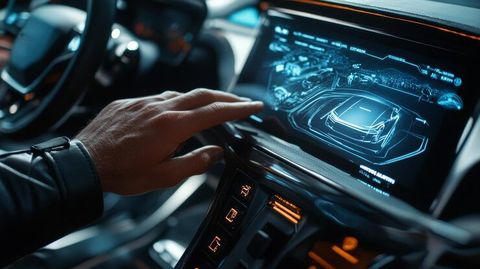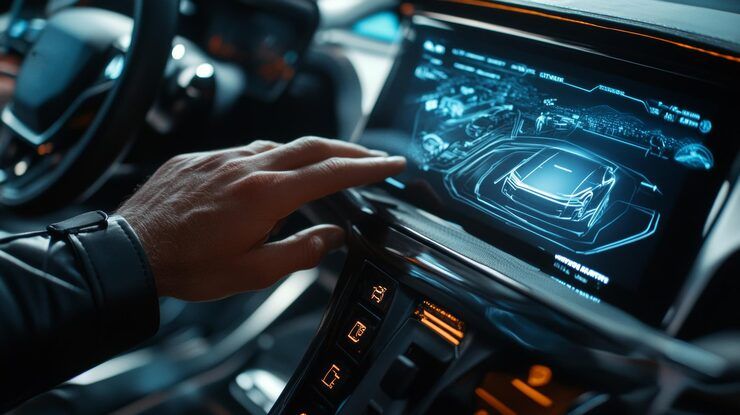
Automotive Sensors play an important role in how modern vehicles operate, monitor conditions, and respond to changing driving situations. These electronic components collect information about engine performance, vehicle movement, temperature, pressure, and surrounding objects. Many drivers search for information about how vehicle sensors work, what types are used, and how they support road safety. Understanding these systems helps explain the technology behind modern automobiles.
Key Takeaways
Automotive sensors measure vehicle conditions and send information to electronic control units.
Temperature, pressure, speed, and position sensors support different vehicle functions.
Radar, cameras, and ultrasonic sensors help monitor nearby objects.
Sensor information supports engine management, braking, emissions, and driver assistance systems.
Related Searches
How do automotive sensors work in modern vehicles?
What are the different types of vehicle sensors?
How do car engine sensors detect problems?
What is the difference between radar and ultrasonic sensors?
Why are sensors important in modern cars?
How do automotive sensors support vehicle safety?
In This Guide
Understanding Automotive Sensors and How They Work
Why Are Automotive Sensors Important in Modern Vehicles?
Recent Developments in Automotive Sensor Technology
Automotive Sensor Regulations and Safety Policies in India
Types of Automotive Sensors: Features and Differences
Tools and Resources for Understanding Vehicle Sensors
Frequently Asked Questions About Automotive Sensors
Conclusion: Understanding the Role of Vehicle Sensors
Understanding Automotive Sensors and How They Work
Automotive sensors are electronic components that detect physical or environmental conditions inside and outside a vehicle. They convert information such as temperature, pressure, movement, speed, and distance into electrical signals that vehicle control systems can interpret.
The development of automotive sensors is closely connected to the introduction of electronic engine management and computer-controlled vehicle systems. Earlier vehicles depended more heavily on mechanical components, while modern automobiles use electronic control units (ECUs) to monitor and manage different operations.
How Do Automotive Sensors Work?
Most automotive sensors follow a straightforward process involving three stages:
Detection: The sensor identifies a physical condition, such as engine temperature or wheel rotation.
Signal conversion: It converts the detected information into an electrical signal or digital data.
Communication: The signal reaches an electronic control unit, which processes the information and determines an appropriate response.
For example, an engine temperature sensor measures coolant temperature and sends information to the engine control unit. The system uses this information to regulate engine operation and cooling functions.
Modern vehicles may contain dozens of sensors, depending on their design, equipment, and electronic features.
Why Are Automotive Sensors Important in Modern Vehicles?
Automotive sensors help vehicles operate according to changing conditions. They provide information that electronic systems need to manage engine performance, vehicle stability, emissions, and passenger protection.
Their importance extends beyond engine operation. Sensors also contribute to everyday driving functions, including parking assistance, tyre pressure monitoring, and automatic braking technologies.
What Problems Do Vehicle Sensors Address?
Different sensors help address specific operational challenges:
Engine monitoring: Temperature, oxygen, and airflow sensors help regulate combustion and engine operation.
Road safety: Wheel-speed and acceleration sensors provide information for braking and stability systems.
Parking assistance: Ultrasonic sensors detect nearby objects when a vehicle moves into a parking space.
Emission monitoring: Oxygen and nitrogen oxide sensors monitor exhaust gas conditions.
Driver assistance: Cameras and radar systems help identify vehicles, road markings, and surrounding objects.
These functions are relevant to private car owners, commercial vehicle operators, manufacturers, and transportation technology developers.
Without accurate sensor information, electronic control systems would have limited ability to respond to changing operating conditions.
Recent Developments in Automotive Sensor Technology
Automotive sensor technology continues to develop alongside electric vehicles, connected transportation, and advanced driver assistance systems (ADAS). Recent developments focus on improving measurement accuracy, processing information faster, and combining data from multiple sensing technologies.
What Are the Current Automotive Sensor Trends?
Several developments are influencing modern vehicle designs:
1. Advanced Driver Assistance Systems: Radar, cameras, and ultrasonic sensors increasingly support functions such as lane monitoring, parking assistance, and collision warnings.
2. Electric Vehicle Sensors: Electric vehicles use temperature, voltage, current, and position sensors to monitor battery conditions, electric motors, and power electronics.
3. Sensor Fusion: Modern vehicle systems can combine information from cameras, radar, and other sensors. This helps create a more complete understanding of the vehicle's surroundings.
4. Smaller Electronic Components: Micro-electromechanical systems (MEMS) technology supports compact sensors used for acceleration, pressure, and vehicle movement measurements.
5. Connected Vehicle Technology: Sensors increasingly work alongside electronic communication systems to provide information about vehicle conditions and operational performance.
These developments demonstrate how sensor technology is becoming an important part of vehicle electronics and automated driving research.
Automotive Sensor Regulations and Safety Policies in India
Vehicle safety and electronic equipment in India are governed through regulations established by the Ministry of Road Transport and Highways (MoRTH). The Central Motor Vehicles Rules (CMVR), Automotive Industry Standards (AIS), and vehicle testing requirements provide the regulatory framework for different vehicle categories.
Which Indian Rules Apply to Automotive Sensors?
Some relevant regulatory frameworks include:
Bharat New Car Assessment Programme (Bharat NCAP): Introduced to evaluate vehicle crash protection and safety assistance technologies for eligible passenger vehicles.
Automotive Industry Standards: AIS documents establish technical requirements for different automotive components and safety technologies.
Central Motor Vehicles Rules: These rules establish requirements relating to vehicle construction, equipment, and safety systems.
Advanced Driver Assistance Systems: Specific AIS standards address technologies such as driver drowsiness warnings, blind-spot information, and lane departure warnings.
India has also introduced requirements concerning advanced safety technologies in certain medium and heavy vehicle categories. Regulatory amendments provide phased implementation dates, including requirements scheduled for 2027 and 2028 for specified vehicle categories.
The applicable requirements depend on vehicle classification, manufacturing dates, and the relevant regulatory amendments. Not every passenger vehicle is subject to identical sensor requirements.
Types of Automotive Sensors: Features and Differences
Modern vehicles use several sensor categories to monitor different conditions. Each type operates according to a particular measurement principle and provides information to specific electronic systems.
What Are the Main Types of Vehicle Sensors?
Sensor Type | What It Measures | Common Application |
|---|---|---|
Temperature sensor | Heat levels | Engine and battery monitoring |
Pressure sensor | Gas or fluid pressure | Intake and tyre monitoring |
Oxygen sensor | Oxygen in exhaust gases | Emission control |
Wheel-speed sensor | Wheel rotation speed | ABS and stability control |
Position sensor | Component position | Throttle and steering systems |
Radar sensor | Distance and movement | Adaptive cruise control |
Ultrasonic sensor | Nearby object distance | Parking assistance |
Acceleration sensor | Changes in vehicle movement | Airbags and stability systems |
Internal Sensors vs External Sensors
Internal sensors monitor conditions within vehicle components, while external sensors collect information about the vehicle's surroundings.
Internal sensors include temperature, pressure, crankshaft position, and engine speed sensors. They help electronic systems understand engine and mechanical operating conditions.
External sensors include radar, cameras, and ultrasonic devices. They help identify nearby objects, road boundaries, and potential obstacles.
Both categories contribute information that supports different vehicle functions.
Tools and Resources for Understanding Vehicle Sensors
Several technical resources help readers understand sensor functions, electronic systems, and vehicle safety requirements. These resources are useful for students, vehicle owners, automotive enthusiasts, and people studying automobile engineering.
Which Resources Explain Automotive Sensor Technology?
OBD-II Diagnostic Tools: Read vehicle diagnostic trouble codes and provide information about certain electronic system faults.
Automotive Oscilloscopes: Display electrical signals and help examine sensor output patterns.
Multimeters: Measure voltage, resistance, and electrical continuity in appropriate sensor circuits.
Bharat NCAP: Provides information about vehicle crash protection and safety assessment.
Automotive Research Association of India (ARAI): Publishes technical information concerning vehicle testing, standards, and automotive development.
Bosch Automotive Handbook: Provides technical explanations of vehicle electronics, sensors, and engine management systems.
The information obtained from these resources depends on vehicle compatibility, technical specifications, and the equipment being examined.
Frequently Asked Questions About Automotive Sensors
1. How Do Automotive Sensors Work?
Automotive sensors detect physical conditions and convert measurements into electrical signals or digital information. Electronic control units process these signals to manage different vehicle functions.
2. What Are the Most Common Automotive Sensors?
Common examples include temperature, pressure, oxygen, wheel-speed, crankshaft position, airflow, and throttle position sensors. Their applications vary according to vehicle design.
3. How Many Sensors Does a Modern Car Have?
The number varies depending on the vehicle model, engine type, electronic equipment, and driver assistance features. Modern vehicles can contain dozens of individual sensors.
4. What Is the Difference Between Radar and Ultrasonic Sensors?
Radar uses radio waves to detect objects and measure their movement or distance. Ultrasonic sensors use sound waves and are commonly used for short-range parking assistance.
5. Can a Faulty Vehicle Sensor Affect Engine Performance?
Yes. An incorrect or missing sensor signal can affect engine operation, fuel management, emissions, or other electronic functions. A diagnostic assessment helps identify the underlying issue.
Conclusion: Understanding the Role of Vehicle Sensors
Automotive sensors are essential components of modern vehicle electronics. They monitor engine conditions, vehicle movement, environmental factors, and surrounding objects. Their information supports electronic control units, braking technologies, emissions management, and driver assistance functions. As electric vehicles and connected transportation systems develop, sensors continue to play an important role in automotive engineering.