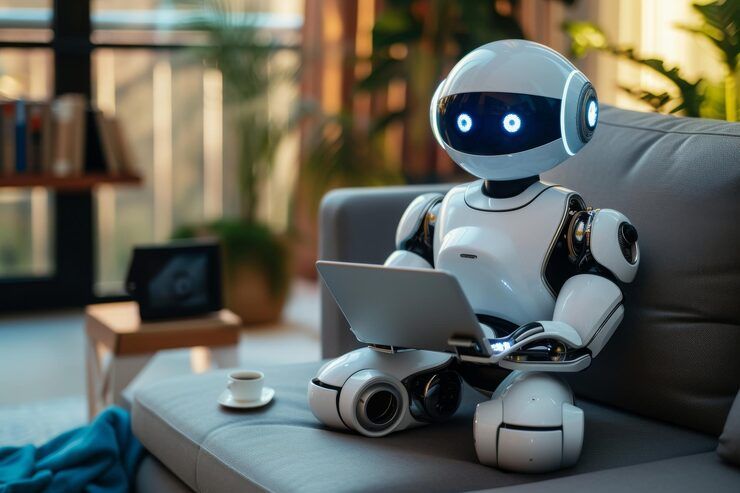
Remote robot management is the process of monitoring, controlling, configuring, and maintaining robots from a separate location. It allows operators and technical teams to interact with robotic systems through computer networks, cloud platforms, control software, and secure communication technologies.
Remote management is increasingly relevant in manufacturing, logistics, healthcare, agriculture, infrastructure inspection, and hazardous environments. Instead of requiring an operator to remain beside every machine, organizations can supervise robotic operations through centralized dashboards and remote interfaces.
These systems vary in complexity. A basic setup may allow an operator to check a robot's battery level and operating status, while an advanced platform may coordinate hundreds of mobile robots across warehouses or industrial facilities.
Understanding Remote Robot Management
Remote robot management combines robotics hardware, communication networks, software, sensors, and operational procedures. Together, these components allow teams to observe robot performance, identify problems, adjust settings, and coordinate tasks.
A typical system may include:
Robot hardware: Industrial arms, autonomous mobile robots, inspection robots, or other machines.
Communication networks: Wi-Fi, cellular connections, private networks, or wired infrastructure.
Control software: Interfaces for issuing commands and monitoring robot activity.
Fleet management platforms: Systems that coordinate multiple robots and allocate tasks.
Cloud or edge computing: Computing resources used to process information and support control functions.
Sensors and diagnostic tools: Devices that provide information about position, temperature, battery condition, and equipment status.
Security systems: Authentication, encryption, access controls, and monitoring tools.
The exact architecture depends on the application. A robot operating inside a controlled factory may use a different communication system from an agricultural robot working across a large outdoor area.
How Remote Robot Management Works
Remote robot management generally follows a sequence of connected activities.
Connection: The robot communicates with a control platform through an approved network.
Monitoring: Operators receive information about location, task progress, battery condition, errors, and other operational indicators.
Command execution: Authorized users can assign tasks, change approved settings, or initiate remote actions.
Performance analysis: Software records operational data and identifies unusual behavior or recurring faults.
Maintenance: Technical teams use diagnostic information to investigate problems, schedule maintenance, and reduce unexpected interruptions.
Not every robot supports unrestricted remote control. Some systems allow monitoring and task scheduling but require a local operator for sensitive actions. Others perform tasks autonomously while remote personnel intervene only when necessary.
Remote Control and Autonomous Operation
Remote control and autonomous operation are related but distinct concepts.
Remote control involves a human operator issuing commands to a robot. Autonomous operation allows the robot to make decisions within predefined parameters using software, sensors, and programmed objectives.
Many modern systems combine both approaches. An autonomous warehouse robot may navigate independently but request human assistance when an obstacle blocks its route or a safety condition requires intervention.
Why Remote Robot Management Matters
Remote robot management can improve operational visibility, coordination, and maintenance planning. Its value depends on the reliability of the system, the suitability of the robot, and the quality of the operating procedures.
Industrial Automation
Manufacturing facilities use remote monitoring to supervise robotic arms, assembly equipment, material-handling systems, and automated inspection processes.
Centralized monitoring can help teams identify production interruptions and understand whether a problem originates from a robot, network connection, sensor, or surrounding equipment.
Warehouse and Logistics Operations
Warehouses may use fleets of autonomous mobile robots to transport materials between storage areas, packing stations, and production zones.
Fleet management software can coordinate routes, allocate tasks, monitor battery levels, and reduce conflicts between robots operating in shared spaces.
Hazardous and Remote Environments
Robots can inspect locations where direct human access may be difficult or dangerous. Examples include industrial pipelines, energy infrastructure, mining areas, disaster locations, and certain underwater environments.
Remote monitoring allows specialists to examine sensor information and guide inspections without remaining physically close to the equipment.
Predictive Maintenance
Remote robot management can support condition-based maintenance by collecting information about operating temperatures, vibration, motor performance, battery health, and error frequency.
These indicators can help technical teams identify potential faults before they cause major interruptions. However, predictive maintenance depends on accurate data, suitable diagnostic models, and regular validation.
Common Operational Challenges
Despite its benefits, remote management introduces several challenges:
Network delays or connection failures
Cybersecurity threats
Inaccurate sensor readings
Software compatibility issues
Battery and power limitations
Difficulty diagnosing physical damage remotely
Unauthorized access to control functions
Dependence on reliable maintenance procedures
A well-designed system includes fallback behavior for situations in which communication is lost or unexpected conditions arise.
Recent Developments in Remote Robot Management
During 2025 and 2026, developments in artificial intelligence, cloud robotics, autonomous mobile systems, and industrial connectivity continued to influence remote robot management.
Artificial Intelligence and Robotics
On March 25, 2025, NVIDIA announced new developments in its robotics ecosystem, including simulation technologies and computing platforms intended to support the development and deployment of intelligent robots.
These technologies help developers train, test, and evaluate robotic systems in simulated environments before using them in physical settings.
For remote management, AI can assist with interpreting sensor information, recognizing unusual operating conditions, planning tasks, and supporting operator decisions. Human oversight remains important, especially where robotic actions can affect people or critical infrastructure.
Industrial Connectivity
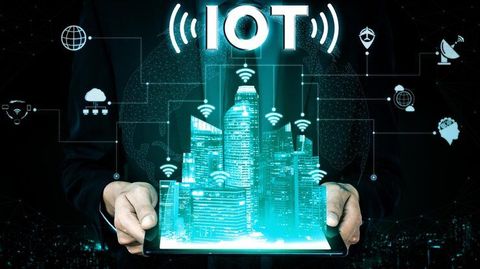
Industrial organizations continue to integrate robotics with connected manufacturing systems, industrial Internet of Things platforms, and centralized monitoring applications.
These integrations can provide a broader view of production equipment, including robot performance, material movement, energy use, and maintenance requirements.
The usefulness of this approach depends on network reliability, data quality, system interoperability, and appropriate cybersecurity controls.
Digital Twins and Simulation
Digital twins are virtual representations of physical equipment or processes that use data to reflect operating conditions.
In robotics, digital twins can support system testing, performance analysis, operator training, and troubleshooting. A simulated robot can help teams evaluate changes before applying them to physical equipment.
However, simulation results may differ from real-world behavior when models do not accurately represent friction, environmental conditions, sensor limitations, or mechanical wear.
Laws, Policies, and Cybersecurity Requirements
Remote robot management is affected by workplace safety rules, data protection requirements, cybersecurity frameworks, and regulations governing specific industries. Applicable requirements depend on the country, robot type, and intended use.
United States: Workplace and Machinery Safety
In the United States, the Occupational Safety and Health Administration establishes workplace safety requirements that can apply to industrial robot installations.
Employers must assess hazards, implement appropriate safeguards, train personnel, and establish procedures for dangerous operations and maintenance. Remote access does not eliminate the need for physical machine guarding, emergency stops, or safe maintenance procedures.
Organizations should also review applicable industry standards and equipment documentation when implementing remote robotic control.
European Union: Machinery and Artificial Intelligence
The European Union's Machinery Regulation, Regulation (EU) 2023/1230, establishes machinery safety requirements and is generally scheduled to apply from January 20, 2027.
Depending on the system and its intended use, remote robot management may also involve cybersecurity, product safety, and data protection obligations.
The EU Artificial Intelligence Act introduces risk-based requirements for certain AI systems. Its applicability depends on the system's function, classification, and deployment context.
Cybersecurity and Data Protection
Remote robotic systems can expose operational technology to unauthorized access if network connections and control interfaces are poorly secured.
Important safeguards include:
Multi-factor authentication where appropriate
Role-based access permissions
Encrypted communications
Secure software updates
Network segmentation
Access logs and monitoring
Tested backup and recovery procedures
Clear incident-response responsibilities
Organizations that collect personal information through cameras, microphones, or tracking systems must also consider applicable privacy laws.
Tools and Resources for Remote Robot Management
Several software frameworks and technical resources can support remote monitoring, development, and fleet coordination.
Robot Operating System
The Robot Operating System (ROS) is a widely used open-source framework for developing robotic applications. It provides software libraries and tools for communication between robotic components, sensor integration, simulation, and system development.
ROS is a development framework rather than a complete fleet management platform. Production deployments require additional attention to networking, security, reliability, and operational controls.
Cloud and Edge Computing
Cloud computing can support centralized data storage, fleet dashboards, analytics, and remote software management.
Edge computing processes information closer to the robot or facility. This can reduce dependence on distant computing resources for time-sensitive tasks.
A hybrid architecture may use edge systems for immediate control and cloud systems for reporting, long-term analysis, and fleet-wide coordination.
Monitoring and Maintenance Tools
Remote management platforms commonly provide:
Robot status dashboards
Battery and charging reports
Fault and event logs
Task completion statistics
Network connectivity monitoring
Maintenance schedules
Software version tracking
Fleet utilization reports
The appropriate tools depend on the robot manufacturer, operating environment, and integration requirements.
Evaluation Checklist
| Evaluation Factor | Key Question |
|---|---|
| Connectivity | Does the network support reliable communication? |
| Security | Are authentication and access permissions enforced? |
| Safety | What happens when communication fails? |
| Monitoring | Which operational indicators are recorded? |
| Compatibility | Can the system integrate with existing equipment? |
| Maintenance | How are faults diagnosed and resolved? |
| Scalability | Can additional robots be managed efficiently? |
| Compliance | Which industry and regional rules apply? |
Frequently Asked Questions
What is remote robot management?
Remote robot management involves monitoring, controlling, configuring, and maintaining robots through networked software and communication systems without requiring an operator to remain beside each machine.
Which industries use remote robot management?
Manufacturing, warehousing, agriculture, healthcare, energy, mining, infrastructure inspection, and research organizations use remote robotic technologies for different operational purposes.
Is remote robot management the same as robotic process automation?
No. Remote robot management concerns physical robots and their operation. Robotic process automation generally refers to software bots that automate repetitive digital tasks, such as transferring information between business applications.
What happens if a robot loses its network connection?
The response depends on the robot's design and safety configuration. It may stop, enter a safe state, continue a limited autonomous task, or attempt to reconnect. Systems should be tested to ensure that communication failures do not create unacceptable risks.
How can remote robotic systems be protected from cyberattacks?
Organizations can use strong authentication, encryption, restricted permissions, network segmentation, software updates, continuous monitoring, and tested incident-response procedures. Physical safety systems should remain effective even when remote access is unavailable.
Conclusion
Remote robot management connects physical robotic equipment with software platforms, communication networks, sensors, and operational teams. It enables organizations to monitor performance, coordinate fleets, diagnose faults, and manage robotic activities across different locations.
Developments in artificial intelligence, simulation, cloud computing, and industrial connectivity are expanding the capabilities of these systems. At the same time, reliable implementation requires careful attention to cybersecurity, network resilience, equipment compatibility, workplace safety, and applicable regulations.
A practical remote robot management strategy combines suitable technology with clear operating procedures, trained personnel, reliable fallback mechanisms, and ongoing performance evaluation. These elements help organizations manage robotic systems more consistently while maintaining appropriate human oversight and safety controls.