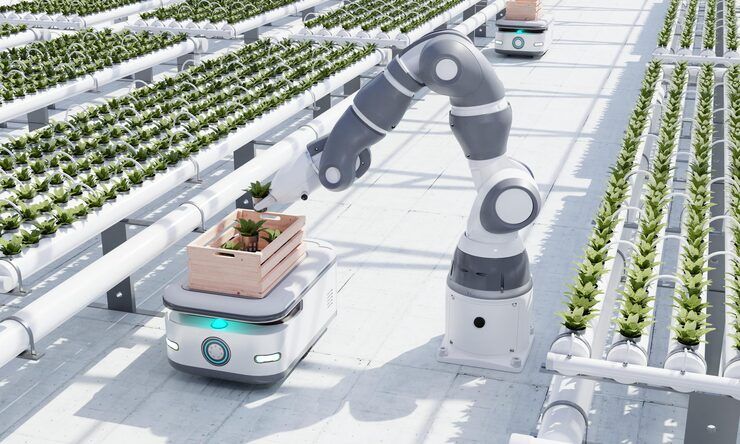
IoT in greenhouse automation refers to the use of connected sensors, controllers, communication networks, and software to monitor and manage growing conditions inside greenhouses. IoT stands for the Internet of Things, a technology that enables physical devices to collect and exchange data through connected systems.
Traditional greenhouse management often depends on manual observations and adjustments. Automated systems can measure temperature, humidity, soil moisture, light intensity, carbon dioxide concentration, and other environmental conditions. Depending on the setup, these measurements can trigger automatic adjustments to irrigation, ventilation, heating, cooling, and lighting.
Greenhouse automation is used in vegetable production, ornamental plants, nurseries, research facilities, and commercial horticulture. The main objective is to maintain suitable growing conditions while improving the consistency of environmental management.
Understanding Smart Greenhouse Technology
A smart greenhouse combines environmental monitoring with automated equipment and software. Sensors collect information, controllers interpret measurements, and connected devices respond according to configured rules.
A basic system may monitor temperature and humidity, while a more advanced installation can integrate irrigation, nutrient delivery, ventilation, energy monitoring, and remote alerts.
Common components include:
Environmental sensors: Measure temperature, relative humidity, light intensity, and carbon dioxide.
Soil and substrate sensors: Monitor moisture, temperature, and, in suitable systems, electrical conductivity.
IoT controllers: Process sensor readings and execute programmed actions.
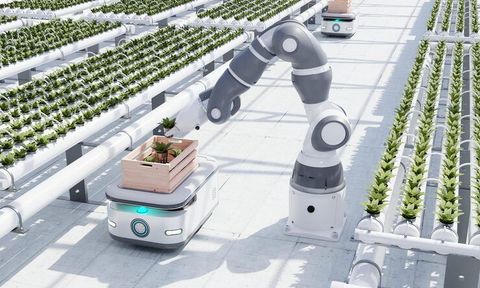
Automated irrigation: Operates valves and pumps according to schedules or sensor thresholds.
Climate control equipment: Regulates ventilation, heating, cooling, shading, and circulation.
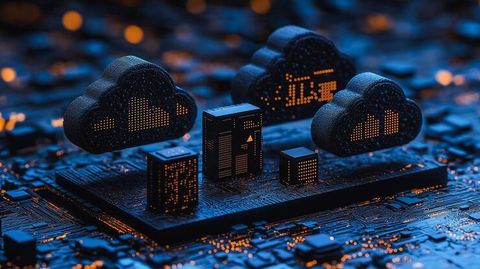
Communication gateways: Connect field devices to local networks or cloud platforms.
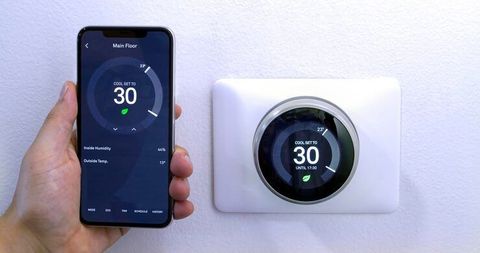
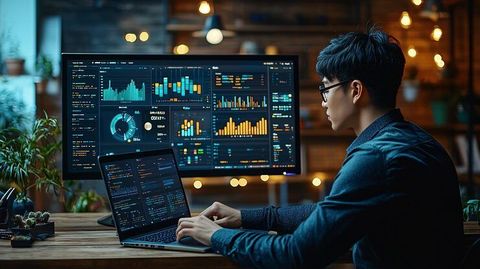
Monitoring dashboards: Display measurements, historical trends, alerts, and equipment status.
The exact configuration depends on the greenhouse structure, crop type, growing medium, local climate, and available infrastructure.
How IoT Greenhouse Automation Works
An automated greenhouse follows a continuous cycle of measurement, analysis, and control.
Data collection: Sensors measure environmental conditions at regular intervals.
Data transmission: Readings are sent to a controller or monitoring platform through wired connections or wireless protocols.
Decision-making: The system compares measurements with configured thresholds, schedules, or crop-specific control rules.
Automatic action: Controllers activate equipment such as irrigation valves, fans, vents, heaters, or shading mechanisms.
Performance monitoring: The system records changes and alerts operators when measurements move outside acceptable ranges.
For example, if temperature rises above a configured threshold, a controller may activate ventilation fans. If the root zone becomes too dry, an irrigation controller may activate a valve for a defined period.
Automated responses must be designed carefully. Excessive ventilation can reduce humidity too much, while unnecessary irrigation can waste water or create root-zone problems. Sensor accuracy and appropriate control settings are therefore essential.
Why IoT in Greenhouse Automation Matters
Greenhouse production depends on maintaining a balance between temperature, humidity, light, water, nutrients, and air movement. Small changes in these factors can affect plant development and crop quality.
Improved Environmental Monitoring
Connected sensors allow growers to monitor conditions throughout the day instead of relying only on occasional manual checks.
This is useful in large greenhouses, multi-zone growing facilities, and research environments where conditions may vary across different areas.
Water and Nutrient Management
Precision irrigation systems can use soil moisture measurements, substrate conditions, weather information, and crop requirements to guide watering decisions.
Fertigation systems can also coordinate irrigation with nutrient delivery. However, nutrient concentration and water quality still require appropriate monitoring and calibration.
Energy Management
Heating, cooling, ventilation, and supplemental lighting can account for a substantial share of greenhouse operating energy.
Automation can help coordinate equipment operation with temperature targets, available daylight, and environmental conditions. Actual energy savings depend on the greenhouse design, climate, equipment efficiency, and control strategy.
Crop Monitoring and Operational Planning
Historical sensor data can help growers identify recurring environmental problems and compare growing conditions across production cycles.
Useful applications include:
Detecting temperature fluctuations
Identifying irrigation inconsistencies
Monitoring humidity-related disease risks
Reviewing equipment operation
Comparing environmental conditions between greenhouse zones
Planning maintenance based on operating data
IoT does not eliminate the need for horticultural expertise. Instead, it provides additional information for making better-informed management decisions.
Recent Developments in Greenhouse Automation
During 2025 and 2026, agricultural technology continued to emphasize artificial intelligence, predictive monitoring, connected equipment, and more efficient resource management.
Artificial Intelligence and Predictive Control
AI-based greenhouse systems can analyze historical sensor readings alongside weather forecasts and crop information. Depending on the system, these models may help estimate irrigation requirements, identify abnormal environmental patterns, or adjust climate controls.
Predictive control differs from simple threshold automation. Instead of responding only after a measurement crosses a limit, it attempts to anticipate future conditions.
However, prediction accuracy depends on the quality of training data, sensor reliability, crop characteristics, and local conditions. Growers should validate automated recommendations before relying on them for critical decisions.
Edge Computing and Connected Sensors
Edge computing allows data to be processed near the greenhouse equipment rather than sending every measurement to a distant cloud platform.
This approach can reduce communication delays and allow some controls to continue operating during internet interruptions. Cloud platforms remain useful for long-term data storage, remote monitoring, and comparing multiple facilities.
Greater Attention to Interoperability
Greenhouse systems increasingly combine sensors, controllers, irrigation equipment, and software from different manufacturers. Interoperability is therefore an important consideration when planning an installation.
Open communication protocols and documented interfaces can help devices exchange information, although compatibility must be confirmed for each specific system.
Climate-Smart Agriculture
Agricultural technology programs continue to emphasize efficient water use, energy management, resource monitoring, and climate resilience. IoT greenhouse automation supports these objectives by making growing conditions more measurable and controllable.
The actual environmental benefit depends on the design and operation of the system rather than automation alone.
Laws, Regulations, and Agricultural Policies
IoT greenhouse automation is affected by regulations covering agricultural production, water use, electrical installations, data protection, radio equipment, and environmental management. Requirements vary by country and by the type of installation.
Agricultural Policies in India
India's agricultural technology initiatives include programs intended to support digital agriculture, precision farming, and improved agricultural decision-making.
The Digital Agriculture Mission, approved by the Union Cabinet in September 2024, established a framework for developing digital public infrastructure and technology-enabled agricultural systems.
Its broader objectives include improving access to agricultural information and supporting data-driven decision-making. The extent to which an individual greenhouse project qualifies for particular support depends on the relevant program guidelines and eligibility requirements.
Environmental and Water Regulations
Greenhouse operators must follow applicable local rules governing groundwater extraction, water discharge, wastewater, fertilizer handling, and agricultural chemicals.
Automated irrigation does not automatically establish compliance. Operators must still ensure that water use, nutrient management, and discharge practices meet the relevant requirements.
Electrical Safety and Data Protection
IoT installations may include pumps, motors, heaters, lighting systems, and network-connected controllers. Electrical equipment should be installed and maintained according to applicable safety standards.
Connected systems also require appropriate cybersecurity measures. Strong authentication, software updates, network separation, and controlled remote access can reduce risks associated with unauthorized access or equipment disruption.
Where personal or identifiable operational data is collected, applicable data protection requirements should also be considered.
Tools and Resources for Smart Greenhouse Management
Several categories of tools can help growers plan, operate, and evaluate an IoT greenhouse system.
Monitoring and Control Software
Greenhouse dashboards can display temperature, humidity, light, soil moisture, irrigation activity, and equipment alerts.
Useful functions include historical charts, threshold notifications, remote control, data export, and comparisons between greenhouse zones.
Sensor Calibration Tools
Calibration equipment and reference instruments help verify the accuracy of environmental sensors. Regular checks are particularly important for humidity, pH, electrical conductivity, and nutrient monitoring.
Weather and Environmental Data
Local weather forecasts and environmental monitoring platforms can support ventilation, irrigation, and heating decisions.
Outdoor temperature, humidity, solar radiation, and rainfall information may be useful when combined with indoor sensor readings.
Energy and Water Calculators
Simple spreadsheets can help estimate irrigation volumes, electricity consumption, and resource use per unit of production.
| Measurement | Typical Unit | Purpose |
|---|---|---|
| Temperature | °C | Climate management |
| Relative humidity | % | Humidity monitoring |
| Soil moisture | % or sensor-specific units | Irrigation decisions |
| Light intensity | µmol/m²/s or lux | Lighting assessment |
| Carbon dioxide | ppm | Plant-environment monitoring |
| Electrical conductivity | mS/cm | Nutrient concentration assessment |
| Water consumption | Litres or m³ | Irrigation tracking |
| Energy consumption | kWh | Operational energy analysis |
These measurements are most useful when collected consistently and interpreted according to the crop and growing system.
Frequently Asked Questions
What is IoT in greenhouse automation?
It is the use of connected sensors, controllers, and software to monitor greenhouse conditions and automate activities such as irrigation, ventilation, heating, cooling, and lighting.
Which sensors are commonly used in a smart greenhouse?
Common sensors measure temperature, humidity, light intensity, soil or substrate moisture, and carbon dioxide. Advanced installations may also monitor pH, electrical conductivity, water flow, and nutrient conditions.
Can IoT reduce greenhouse water consumption?
It can help improve irrigation decisions by measuring moisture and monitoring water use. The outcome depends on sensor accuracy, crop requirements, irrigation design, and system management.
Does greenhouse automation require an internet connection?
Not always. Some systems can perform local control functions without internet access. Remote dashboards, cloud analytics, and off-site notifications generally require a suitable network connection.
What should be considered before installing a smart greenhouse system?
Important considerations include crop requirements, sensor accuracy, equipment compatibility, network reliability, energy consumption, maintenance, cybersecurity, and the ability to operate safely when sensors or communications fail.
Conclusion
IoT in greenhouse automation combines environmental sensors, connected controllers, monitoring software, and automated equipment to support more consistent crop management. Applications range from basic temperature monitoring to integrated systems that coordinate irrigation, climate control, lighting, and nutrient delivery.
Recent developments in AI, edge computing, and connected agricultural equipment are expanding the ways growers can interpret environmental data and manage resources. Nevertheless, system performance depends on reliable sensors, appropriate control settings, equipment compatibility, and regular maintenance.
Before implementing greenhouse automation, growers should evaluate crop requirements, water and energy needs, local regulations, electrical safety, and cybersecurity. A well-designed system can improve visibility into growing conditions and support informed decisions while keeping human oversight central to agricultural management.