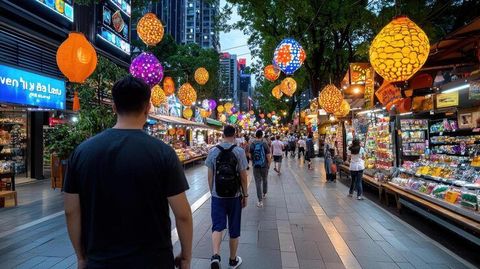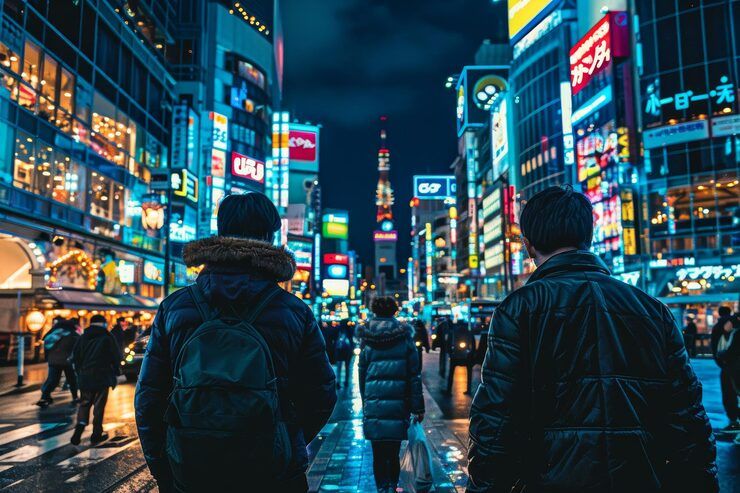
Tokyo nightlife is a broad part of the city's culture, covering music venues, restaurants, karaoke, traditional drinking districts, night markets, theaters, observation areas, cultural events, and late-evening entertainment.
The experience varies considerably by neighborhood. Shibuya is associated with contemporary music and club culture, Shinjuku combines restaurants, small bars, entertainment districts, and illuminated streets, while areas such as Shimokitazawa are known for smaller music venues and independent cultural spaces. The official Japan National Tourism Organization describes Shibuya and Shimokitazawa as important destinations for live music, clubs, bars, karaoke, and theater.
Tokyo's nightlife is therefore not one single scene. It is a collection of different evening cultures shaped by local communities, transport networks, food traditions, music, architecture, and changing tourism patterns.
Major Tokyo Nightlife Areas
| Area | Known For | Typical Evening Experience |
|---|---|---|
| Shibuya | Clubs, music, bars, youth culture | Contemporary and energetic |
| Shinjuku | Restaurants, small bars, entertainment | Dense and varied |
| Shimokitazawa | Live music, independent culture | Smaller and relaxed |
| Roppongi | International nightlife and dining | International atmosphere |
| Ginza | Restaurants, lounges, sophisticated evening districts | More formal |
| Asakusa | Traditional streets and evening dining | Historic atmosphere |
| Odaiba | Waterfront views and illumination | Scenic evening activities |
Why Tokyo Nightlife Matters
Tokyo's evening economy connects cultural activities with tourism, transportation, food, music, architecture, and neighborhood identity.
For visitors, nightlife can provide a different perspective on the city than daytime sightseeing. The same district can look completely different after sunset as illuminated buildings, restaurants, music venues, and pedestrian areas become active.
Nighttime tourism also matters to city planners. A large international city must balance visitor activity with residential life, transportation capacity, public safety, noise management, and environmental considerations.
Tokyo Metropolitan Government has increasingly focused on developing nighttime tourism while considering local residents and neighborhood conditions. In April 2026, the metropolitan government announced a new program to designate areas that develop nighttime tourism while taking local residents' understanding and the living environment into account.
This approach reflects an important principle: successful nightlife planning involves both visitors and the communities where nighttime activities take place.
Different Types of Nightlife
Travelers can choose from many forms of evening activity:
- Live music and small concert venues
- Nightclubs and DJ events
- Karaoke
- Izakaya-style dining
- Traditional alleyway restaurants and bars
- Night markets
- Cultural performances
- Late-evening shopping areas
- Waterfront illumination
- Observation decks and city views
- Themed cafes and entertainment venues
Not every venue operates late every night, so checking current opening information is important.
Recent Tokyo Nightlife Developments
Tokyo has continued developing its nighttime tourism strategy during 2025 and 2026.
Expanded Nighttime Tourism Programs
On April 23, 2026, the Tokyo Metropolitan Government and Tokyo Convention & Visitors Bureau announced another round of support for nighttime and early-morning tourism initiatives. The program includes nighttime events, information projects, and tours designed around evening and early-morning attractions.
The initiative is part of Tokyo's broader tourism strategy and is intended to encourage visitors to experience more areas and activities outside conventional daytime sightseeing.
A separate 2026 program also sought to establish designated nighttime tourism areas while considering residents and local environmental conditions.
Shibuya Continues Its Nighttime Focus
The official Tokyo travel guide updated its Shibuya information in March 2026. It describes the district as a major center of modern Japanese culture, with nightlife, music, cafes, restaurants, art, and entertainment spread across its streets and side alleys.
The broader Shibuya and Shimokitazawa area remains particularly relevant for travelers interested in live music and contemporary nightlife.
Tokyo Night Market
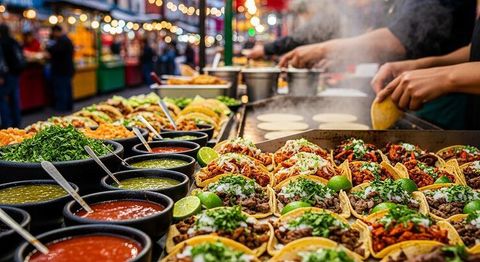
The official Tokyo tourism guide lists the Tokyo Night Market in Yoyogi as returning from October 21–25, 2026. The event includes more than 40 stalls, live music, DJs, and performers, with evening activities continuing until 22:00. The event is supported through Tokyo's nighttime tourism program.
This type of event illustrates how nighttime tourism is expanding beyond conventional bars and clubs into food, markets, music, and public cultural programming.
A Simple View of Tokyo's Nighttime Landscape
| Activity Type | Main Areas | Planning Priority |
|---|---|---|
| Live music | Shimokitazawa, Shibuya | Event schedule |
| Clubs | Shibuya, selected central districts | Entry rules and closing times |
| Small bars | Shinjuku, local alleyways | Location and payment methods |
| Dining | Shinjuku, Ginza, Shibuya | Reservation and opening hours |
| Night markets | Selected event areas | Event dates |
| Cultural activities | Asakusa, central Tokyo | Performance schedule |
| Waterfront evenings | Odaiba | Weather and transport |
Laws and Policies Affecting Nightlife
Tokyo nightlife operates within Japanese national law as well as Tokyo Metropolitan Government ordinances.
One important framework is Japan's Act on Control and Improvement of Amusement Business. The Tokyo Metropolitan Police Department identifies categories such as regulated amusement businesses, nightclubs, and late-night establishments serving alcoholic beverages.
Certain establishments are subject to permits, notifications, operating-area requirements, and time restrictions depending on the type of activity.
Tokyo's ordinance also establishes rules for certain late-night entertainment businesses. For example, the Tokyo ordinance states that specified late-night entertainment businesses cannot operate between 5:00 a.m. and 6:00 a.m.
Noise Regulations
Nighttime activity is also affected by environmental rules.
Tokyo's Environmental Security Ordinance regulates noise associated with certain late-night activities. In specified areas, rules apply to noise generated between 23:00 and 06:00, subject to applicable exemptions.
This is relevant to visitors because neighborhood nightlife does not operate independently from residential areas. Travelers should respect local quiet periods and avoid creating unnecessary noise when moving between venues.
Age and Identification Rules
Visitors should carry appropriate identification when entering venues where age verification is required.
Rules can vary depending on the establishment and type of activity. Venue-specific entry policies may also apply.
Alcohol and Driving
Japan has strict rules concerning impaired driving. The Tokyo Metropolitan Police Department continues to publish warnings and information regarding penalties and administrative measures related to drunk driving, including updated materials issued in July 2026.
Visitors who consume alcohol should therefore use public transportation or another appropriate method of returning to their accommodation rather than driving.
Tools and Resources for Tokyo Nightlife
Good nightlife planning depends heavily on current information because opening hours, events, transportation arrangements, and venue policies can change.
GO TOKYO
The official Tokyo tourism guide provides information about neighborhoods, events, attractions, transportation, and nighttime activities. It is useful for identifying current events and building an evening itinerary.
Japan National Tourism Organization
The official JNTO website provides destination information covering Tokyo neighborhoods, cultural activities, transportation, and travel planning. Its Shibuya and Shimokitazawa guide is particularly useful for understanding Tokyo's music and nightlife districts.
Digital Maps
Map applications can help visitors locate:
- Train stations
- Late-night restaurants
- Entertainment districts
- Convenience stores
- Hotels
- Hospitals
- Police stations
- Alternative routes
Public transportation information should be checked before staying out late because train schedules are an important part of Tokyo nightlife planning.
Weather Applications
Tokyo's evening conditions can change significantly between seasons. Weather forecasts are particularly useful when planning outdoor activities, night markets, waterfront visits, or walking between districts.
Travel Insurance Information
Travel insurance can be relevant for international trips because policies may address medical emergencies, trip interruptions, baggage problems, or other unexpected travel events. Travelers should examine policy limits, exclusions, geographical coverage, and activity restrictions before relying on a particular policy.
Tokyo Nightlife Planning Checklist
- Check the venue's current opening hours.
- Confirm whether advance reservations are required.
- Carry appropriate identification.
- Check the final train or alternative transportation plan.
- Review weather conditions.
- Keep important addresses available in Japanese and English.
- Respect photography restrictions.
- Follow venue and neighborhood rules.
- Avoid excessive noise in residential streets.
- Never drive after drinking alcohol.
Frequently Asked Questions
What areas are known for Tokyo nightlife?
Shibuya, Shinjuku, Shimokitazawa, Roppongi, Ginza, and parts of Asakusa are among the areas associated with different forms of evening activity. Shibuya and Shimokitazawa are particularly notable for music, clubs, bars, and contemporary culture.
What time does Tokyo nightlife usually start?
There is no single starting time. Restaurants may become active during the early evening, while some music venues and clubs become busier later. Event schedules vary, so visitors should check individual venue information rather than assuming a standard timetable.
Is Tokyo safe at night?
Tokyo has extensive public transportation, well-developed urban infrastructure, and many busy nighttime districts. Nevertheless, visitors should use normal travel precautions, remain aware of their surroundings, protect personal belongings, and follow local rules.
Can tourists visit Japanese bars and clubs?
International visitors can enter many venues, but individual establishments may have age requirements, identification requirements, dress rules, reservation policies, or other restrictions. Some venues may also have limited English information.
What should visitors know about late-night transportation?
Tokyo's rail network is central to nighttime travel, but regular train operations do not continue throughout the entire night. Travelers staying out late should check the final train time for their specific route or arrange an appropriate alternative in advance.
Conclusion
Tokyo nightlife is a diverse part of the city's cultural and tourism landscape. Shibuya's contemporary music culture, Shinjuku's dense evening districts, Shimokitazawa's live-music scene, Ginza's restaurants, and traditional areas such as Asakusa demonstrate the variety available after sunset.
Recent developments show that Tokyo is also actively expanding its approach to nighttime tourism. In 2026, metropolitan programs supported nighttime events, new tourism areas, and projects designed to encourage visitors to explore the city after dark while considering residential communities and local environments.
For travelers, the most useful approach is to plan around the specific neighborhood and activity rather than viewing Tokyo nightlife as one uniform experience. Checking official event information, transportation schedules, venue rules, weather conditions, and local regulations can make an evening in Tokyo more organized and culturally respectful.