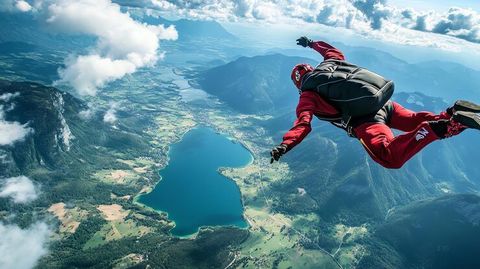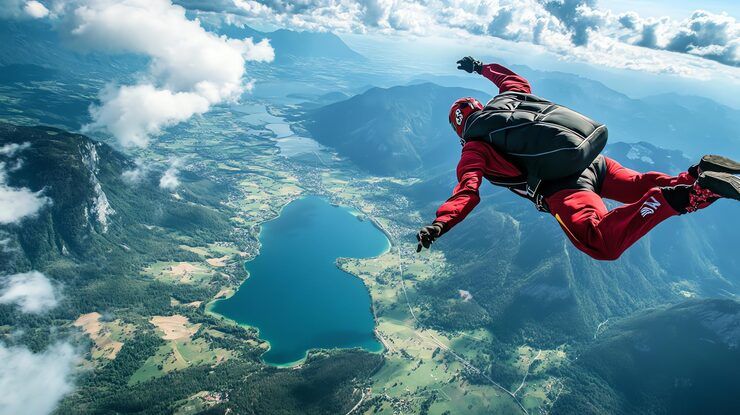
Skydiving above islands combines recreational aviation with panoramic views of coastlines, beaches, reefs, mountains, and open ocean. A typical jump involves ascending in an aircraft, exiting at an approved altitude, experiencing a controlled freefall, and deploying a parachute for the descent.
Island environments create a distinctive setting because the surrounding landscape can include water in multiple directions. Depending on the destination, a jump may provide views of coral reefs, volcanic terrain, lagoons, coastal settlements, or neighboring islands.
Skydiving is an aviation activity that requires structured training, appropriate equipment, weather assessment, aircraft operations, and compliance with applicable aviation regulations. For travelers researching adventure travel, island tourism, skydiving destinations, and travel insurance for extreme sports, understanding these factors is important.
How Island Skydiving Works
Skydiving generally begins with a flight in an aircraft designed or approved for parachute operations. The aircraft climbs to an altitude appropriate for the planned jump and local operating requirements.
During a tandem jump, a participant is connected to an experienced tandem instructor through a specially designed harness system. Solo skydivers follow procedures appropriate to their training and qualification level.
A modern parachute system normally includes:
Main parachute
Reserve parachute
Harness and container system
Automatic activation device
Altimeter
Helmet
Protective equipment
Appropriate clothing
The parachute descent is affected by wind, altitude, parachute design, pilot technique, and landing-area conditions.
Why Islands Provide a Distinctive Setting
Island landscapes provide strong visual contrast between land and water. From altitude, geographical features such as beaches, reefs, cliffs, lagoons, and mountain ranges can become clearly visible.
However, the presence of surrounding water also creates additional operational considerations. Drop zones need appropriate landing areas, aircraft routing must account for surrounding airspace, and weather conditions over coastal areas can change rapidly.
Why Island Skydiving Matters Today
Adventure Tourism and Destination Travel
Skydiving has become part of the broader adventure tourism industry in numerous destinations. Island regions can combine skydiving with other outdoor activities such as hiking, diving, sailing, and sightseeing.
The subject is relevant to travelers researching:
Adventure travel destinations
Island vacations
Extreme sports travel
Aerial tourism
Parachute training
Travel insurance for adventure activities
International tourism planning
Aviation safety remains central because the activity involves aircraft, parachute systems, altitude, weather, and controlled landing procedures.
Who Is Affected?
Island skydiving involves several groups:
Tandem participants
Licensed skydivers
Skydiving instructors
Parachute associations
Aircraft pilots
Aviation authorities
Drop-zone operators
Local emergency organizations
Tourism authorities
Well-defined operational procedures help coordinate parachute activities with other aircraft and protect surrounding communities.
Weather and Environmental Factors
Weather is particularly important for island skydiving because coastal and oceanic environments can produce rapidly changing conditions.
Important factors include:
Wind speed
Wind direction
Cloud cover
Visibility
Precipitation
Thunderstorms
Temperature
Landing-area conditions
A jump may be delayed or cancelled when conditions do not meet applicable safety requirements. The final decision should come from qualified personnel responsible for the operation.
Recent Developments in Skydiving
Updated Safety and Training Resources
Skydiving organizations continue to emphasize standardized training, equipment inspections, emergency procedures, and responsible decision-making.
The United States Parachute Association maintains current training and safety resources for licensed skydivers and instructors. Its Basic Safety Requirements provide a framework covering areas such as equipment, aircraft operations, parachute deployment, landing, and participant qualifications. (uspa.org)
Technology in Modern Skydiving
Technology has become increasingly integrated into parachuting equipment and planning.
Modern systems can include:
Digital altimeters
Automatic activation devices
GPS-based flight tracking
Electronic logging systems
Weather applications
Digital training resources
Video recording equipment
Automatic activation devices can monitor altitude and descent characteristics and initiate reserve-parachute deployment under defined conditions when the system is armed and functioning correctly.
Technology is designed to support established procedures rather than replace training or qualified judgment.
Aviation and Airspace Awareness
Skydiving operations require coordination with the surrounding aviation environment. Aircraft used for parachuting must operate according to applicable aviation rules, while jump areas may have specific procedures for notifying or coordinating with air traffic authorities.
Island locations can present additional considerations when airports, seaplane operations, military areas, marine traffic, or neighboring national airspace are nearby.
| Planning Factor | Importance for Island Skydiving |
|---|---|
| Wind | Influences canopy flight and landing |
| Visibility | Supports navigation and situational awareness |
| Cloud cover | Can affect jump conditions |
| Airspace | Determines where parachute operations can occur |
| Landing zone | Provides a controlled recovery area |
| Aircraft operations | Determines altitude and jump procedures |
| Ocean conditions | Relevant to emergency planning near coastal areas |
| Weather changes | Can affect the entire operation |
Laws, Regulations and Aviation Policies
United States
In the United States, parachute operations are regulated by the Federal Aviation Administration under 14 CFR Part 105.
The regulation establishes requirements covering areas such as parachute operations, airspace notification, equipment, and operations around airports and populated areas.
For example, certain parachute operations require notification to the appropriate air traffic facility, while operations in specific airspace may be subject to additional requirements.
The FAA also provides guidance covering parachute operations and related aviation safety matters. Current federal regulations should always be checked because requirements can change.
United States Parachute Association
The United States Parachute Association provides safety and training standards used throughout the American skydiving community. Its Basic Safety Requirements address participant progression, equipment, aircraft, parachute deployment, landing, and other operational considerations.
USPA membership and certification systems are separate from federal aviation regulations, so participants should understand the difference between government requirements and association standards.
Europe
European skydiving operations can be affected by national aviation authorities, European aviation regulations, and recognized parachuting organizations.
Requirements can differ between countries regarding:
Training
Instructor qualifications
Drop zones
Equipment
Aircraft
Airspace
Tandem operations
Medical considerations
Travelers planning a jump in Europe should consult the aviation authority and recognized parachuting organization applicable to the specific destination.
Island Destinations Outside Europe and the United States
Other countries establish their own aviation and parachuting requirements. These can be particularly important in island nations where aviation activity is closely connected with airports, military areas, marine environments, and international airspace.
Before participating in an international skydiving activity, travelers should verify the current requirements with the appropriate national aviation authority.
Tools and Resources for Skydiving Planning
Weather Resources
Weather information is one of the most important planning resources.
Useful sources include:
National meteorological agencies
Aviation weather information
Local airport weather reports
Wind forecasts
Radar and satellite imagery
Local observations
Official severe-weather alerts
General weather applications can provide useful background information, but skydiving operations should rely on appropriate aviation assessments and local operational decisions.
Airspace and Navigation Resources
Pilots and skydiving organizations may use aeronautical charts and airspace databases to understand the operating environment.
Useful resources can include:
Official aviation charts
Airspace databases
NOTAM information
Airport information
GPS navigation tools
Digital flight-planning applications
The exact resources required depend on the country and the type of operation.
Equipment and Safety Resources
Participants should become familiar with the main components of their parachute system and understand the equipment procedures explained during training.
A basic planning checklist can include:
Check current weather information.
Confirm the planned operating area.
Review applicable participant requirements.
Follow the instructor's briefing.
Wear appropriate protective equipment.
Understand emergency procedures.
Check personal travel documentation.
Review travel insurance exclusions.
Follow landing-area instructions.
Avoid participation when unwell or otherwise unsuitable for the activity.
Travel Insurance Considerations
Travel insurance policies can treat skydiving differently from ordinary recreational tourism. Some policies include specific adventure-sports provisions, while others contain exclusions or conditions relating to parachuting.
Anyone researching adventure travel insurance should read the policy wording carefully and check definitions relating to skydiving, tandem jumps, altitude, training, and geographical coverage.
Frequently Asked Questions
Is skydiving above an island different from ordinary skydiving?
The fundamental parachute procedures are similar, but the environment can be different. Island jumps may involve coastal weather, ocean surroundings, limited landing areas, nearby airports, and additional airspace considerations.
What weather conditions are appropriate for skydiving?
Suitable conditions depend on the aircraft, parachute operation, location, and applicable rules. Strong winds, poor visibility, thunderstorms, heavy precipitation, or rapidly changing conditions may prevent a jump. Qualified operational personnel make the final decision.
How high do skydiving aircraft normally climb?
Jump altitude varies according to the type of operation, aircraft, local airspace, regulations, weather, and training requirements. The aircraft crew and skydiving professionals determine the appropriate altitude for the planned activity.
Is training required for skydiving?
Requirements depend on the type of jump and the country. Tandem participants normally receive a safety briefing and instruction before the jump, while solo skydivers must complete structured training and meet applicable qualification requirements.
Does travel insurance cover skydiving?
Not necessarily. Skydiving may be classified as an adventure or extreme sport, and some insurance policies restrict or exclude it. Travelers should examine the policy's activity definitions, exclusions, geographical conditions, and applicable requirements before participating.
Conclusion
Skydiving above islands combines recreational aviation, parachute technology, weather science, and destination tourism. The island setting can provide distinctive views of coastlines, reefs, mountains, and surrounding ocean, while also introducing environmental and aviation considerations.
Modern skydiving benefits from developments in automatic activation devices, digital altimeters, GPS technology, weather information, equipment design, and structured training. These technologies support established safety procedures but do not replace professional instruction or responsible decision-making.
Regulatory requirements differ between countries. In the United States, parachute operations are governed by FAA regulations, including 14 CFR Part 105, while national aviation authorities and parachuting organizations establish applicable frameworks in other regions.
Travelers researching island skydiving should therefore consider weather, airspace, equipment, training, landing areas, local aviation rules, and travel insurance conditions. Checking current information before participation helps travelers understand the activity and the responsibilities associated with recreational parachuting.