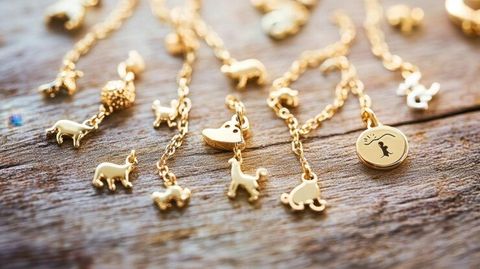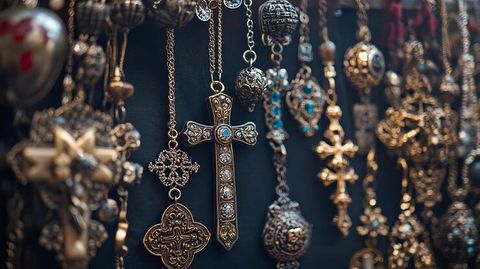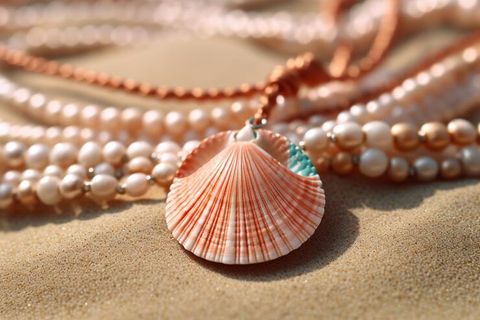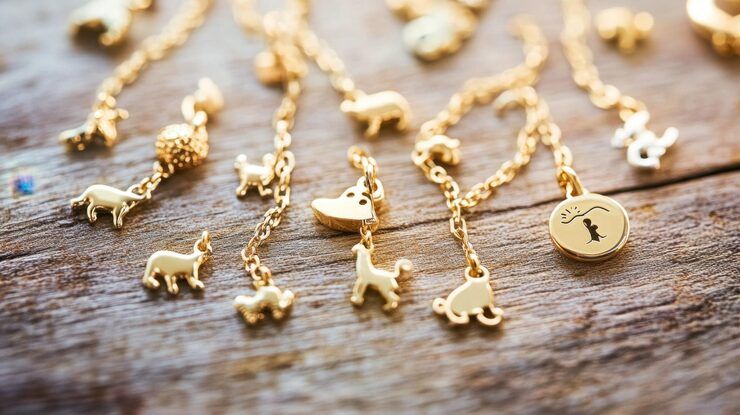
Zodiac symbol necklaces combine jewelry design with the twelve signs of the Western zodiac. Each necklace may feature a constellation, zodiac glyph, animal, celestial motif, or name associated with a particular sign. These designs can range from simple pendants to detailed pieces incorporating gemstones, engraved symbols, stars, moons, and birth-related motifs.
The twelve traditional Western zodiac signs are Aries, Taurus, Gemini, Cancer, Leo, Virgo, Libra, Scorpio, Sagittarius, Capricorn, Aquarius, and Pisces. Their symbolism comes from a long history of astrology and astronomical observation, although modern astrology and modern astronomy are distinct fields.
Understanding Zodiac Necklace Designs
A zodiac necklace generally represents one of the twelve signs. Some designs use the traditional glyph, while others use imagery associated with the sign.
Common design approaches include:
Constellation patterns
Zodiac glyphs
Animal or human figures
Birth-date engravings
Stars and celestial patterns
Initials or names
Gemstone accents
Layered celestial motifs
Minimal geometric symbols
The necklace can therefore function as a decorative object while also carrying personal or cultural meaning.
Zodiac Signs and Common Symbolism
| Zodiac Sign | Traditional Symbol | Common Visual Motif |
|---|---|---|
| Aries | Ram | Ram horns, fire motifs |
| Taurus | Bull | Bull head, earth motifs |
| Gemini | Twins | Twin figures, paired symbols |
| Cancer | Crab | Crab, moon motifs |
| Leo | Lion | Lion, sun motifs |
| Virgo | Maiden | Maiden, botanical motifs |
| Libra | Scales | Balance and scale symbols |
| Scorpio | Scorpion | Scorpion, celestial motifs |
| Sagittarius | Archer | Bow, arrow, archer |
| Capricorn | Sea-goat | Goat and marine motifs |
| Aquarius | Water Bearer | Waves, water symbols |
| Pisces | Fish | Two fish, ocean motifs |
Why Zodiac Symbol Necklaces Matter Today
Zodiac jewelry sits at the intersection of fashion, personal identity, cultural symbolism, and gift traditions. Its appeal does not depend solely on astrology. Many people select zodiac motifs because they connect a design with a birth month, personality concept, family tradition, or personal aesthetic.
Personal Identity and Jewelry
Personalized jewelry has become increasingly associated with identity-based design. A zodiac symbol can communicate a connection with a particular birth period without requiring a long inscription.
This makes zodiac motifs relevant to people interested in:
Birth-related jewelry
Personalized necklaces
Celestial jewelry
Constellation designs
Astrology-inspired fashion
Symbolic jewelry
Layered necklace styling
Materials and Manufacturing
Zodiac pendants can be produced in numerous materials and finishes. Common options include gold, silver, platinum, stainless steel, and other jewelry metals.
Gemstones may also be incorporated into designs. Some pieces use birthstones associated with a month, although birthstone traditions vary by country and organization.
For manufacturers and jewelry professionals, important considerations include:
Metal composition
Pendant dimensions
Engraving precision
Chain construction
Surface finishing
Gemstone setting
Tarnish resistance
Clasp design
Hallmarking requirements
Packaging and labeling
Symbolic Meaning Without Scientific Claims
Zodiac necklaces can represent cultural or personal beliefs, but astrology should not be presented as a scientifically established method for predicting personality, health, relationships, or future events.
For educational jewelry content and advertising, it is safer to describe zodiac symbolism as a traditional or cultural framework rather than making guaranteed claims about someone's characteristics or future.
Recent Trends in Zodiac Jewelry
During 2025 and 2026, jewelry design continued to reflect broader interest in personalization, celestial aesthetics, mixed-metal styling, and digitally influenced customization.
Personalization and Celestial Design
Personalized jewelry remains closely connected with names, initials, dates, symbols, and birth-related themes. Zodiac necklaces fit naturally into this broader design direction because the symbol can be selected according to an individual's birth date.
Minimal constellation patterns have also become a common visual approach. Instead of large figurative pendants, designers can use small stars connected by fine lines to create a more understated appearance.
Layered Necklace Styling
Layering remains an important jewelry styling concept. A zodiac pendant can be combined with:
Initial necklaces
Plain chains
Gemstone pendants
Small celestial charms
Pearl necklaces
Short chokers
Different chain lengths can create visual separation between the pieces.
Digital Jewelry Design
Computer-aided design and digital manufacturing are increasingly relevant to customized jewelry. Designers can create precise pendant geometries before production, making it easier to evaluate proportions, engraving positions, and stone placement.
Some manufacturers also use additive manufacturing and computer-controlled processes for prototypes and selected production stages.
Global Jewelry Market Signals
The broader jewelry sector continues to adapt to changing consumer preferences, digital discovery, customization, and material transparency. Industry organizations such as the World Gold Council and responsible-sourcing groups continue publishing information about precious metals, supply chains, and market developments.
For zodiac jewelry, these developments matter because consumers increasingly encounter jewelry through digital platforms where product descriptions, material information, design details, and origin-related statements can influence purchasing decisions.
Laws, Regulations and Policies Across Major Markets
Zodiac symbol necklaces are generally treated as jewelry or fashion accessories rather than as a distinct regulated category. However, their materials, labeling, advertising, and manufacturing can be affected by national and regional rules.
European Union
The European Union has requirements affecting consumer products and chemicals used in articles. Jewelry can be subject to restrictions involving substances such as nickel, lead, and certain other materials.
Manufacturers and importers supplying jewelry into European markets therefore need to consider applicable chemical and product-safety requirements.
United States
In the United States, jewelry-related claims and product descriptions are affected by consumer-protection and advertising rules. The Federal Trade Commission provides guidance concerning jewelry descriptions, precious-metal claims, gemstone terminology, and advertising practices.
Descriptions should accurately represent the metal, gemstone, treatment, dimensions, and other material characteristics.
United Kingdom
The UK has requirements covering consumer products, product information, and precious-metal hallmarking. Jewelry containing precious metals can also be affected by hallmarking rules depending on its composition and circumstances.
Canada
Canadian jewelry businesses need to consider rules covering consumer information, product descriptions, precious-metal representations, and chemical restrictions. Jewelry containing certain metals may also fall under applicable health and environmental requirements.
International Standards
International jewelry businesses may also refer to standards and industry frameworks concerning:
Precious-metal identification
Gemstone terminology
Product testing
Chemical restrictions
Responsible sourcing
Consumer information
Supply-chain documentation
The exact obligations depend on where the jewelry is manufactured, imported, advertised, and distributed.
Tools and Resources for Zodiac Symbol Necklaces
Several tools can help consumers, designers, manufacturers, and researchers understand zodiac jewelry.
Zodiac and Astronomy Resources
Astronomy reference tools: Useful for understanding constellations and distinguishing astronomical information from astrological traditions.
Birth-date calculators: Can identify the commonly associated Western zodiac sign from a date.
Constellation charts: Help designers understand traditional star patterns used in celestial-inspired jewelry.
Jewelry CAD software: Supports accurate pendant and setting design.
Digital engraving tools: Help create names, dates, symbols, and zodiac glyphs.
Gemstone reference guides: Provide information about gemstone characteristics and care.
Metal testing resources: Help identify and verify metal composition.
Hallmarking databases: Useful for understanding precious-metal identification requirements in relevant markets.
Consumer-protection guidance: Government resources can help verify jewelry-description and advertising requirements.
Design and Quality Checklist
Before evaluating a zodiac necklace, consider:
Is the zodiac symbol clearly represented?
Is the metal composition accurately stated?
Are gemstone descriptions specific?
Are dimensions provided?
Is the chain length clear?
Is the pendant weight stated where relevant?
Are care instructions available?
Does the design meet applicable labeling requirements?
Are any symbolic claims clearly presented as cultural or traditional beliefs?
Frequently Asked Questions
What are zodiac symbol necklaces?
Zodiac symbol necklaces are jewelry pieces featuring imagery connected with one of the twelve Western zodiac signs. They may use glyphs, constellations, animals, celestial motifs, or engraved symbols.
How many Western zodiac signs are there?
The traditional Western zodiac contains twelve signs: Aries, Taurus, Gemini, Cancer, Leo, Virgo, Libra, Scorpio, Sagittarius, Capricorn, Aquarius, and Pisces.
Are zodiac symbols based on astronomy?
The zodiac has historical connections with observations of the sky and the apparent path of the Sun. However, modern astronomy and astrology are different disciplines. A zodiac necklace represents a symbolic or cultural design rather than an astronomical instrument.
What materials are commonly used for zodiac necklaces?
Common materials include gold, silver, platinum, stainless steel, and various other jewelry metals. Some designs also incorporate gemstones, enamel, pearls, or other decorative materials.
Are zodiac necklaces regulated?
The zodiac symbol itself is generally not a regulated jewelry category. However, the materials, precious-metal claims, chemical composition, labeling, advertising, and consumer information can be subject to rules in the market where the necklace is manufactured or distributed.
Conclusion
Zodiac symbol necklaces combine traditional zodiac imagery with contemporary jewelry design. Their visual language can range from small constellation patterns and zodiac glyphs to detailed representations of animals, celestial objects, and birth-related symbols.
The category is relevant to personalized jewelry, celestial fashion, gemstone design, and symbolic accessories. Modern manufacturing techniques also allow designers to create increasingly precise engravings, geometric forms, and customized pendant structures.
Recent jewelry trends have emphasized personalization, minimal designs, layering, digital design, and greater attention to material information. These developments give zodiac motifs several ways to fit into contemporary jewelry collections.
For consumers and jewelry professionals, understanding the difference between cultural symbolism and scientific claims is also important. Zodiac designs can communicate tradition and personal meaning without requiring claims about personality, health, or future outcomes.
Regulations vary across markets, but accurate descriptions of precious metals, gemstones, treatments, dimensions, and other material characteristics remain important internationally. As jewelry design continues to combine personalization with digital manufacturing, zodiac motifs are likely to remain a recognizable part of the broader symbolic and celestial jewelry category.