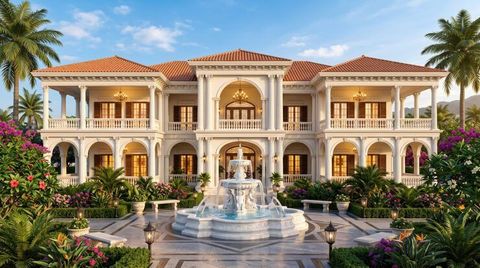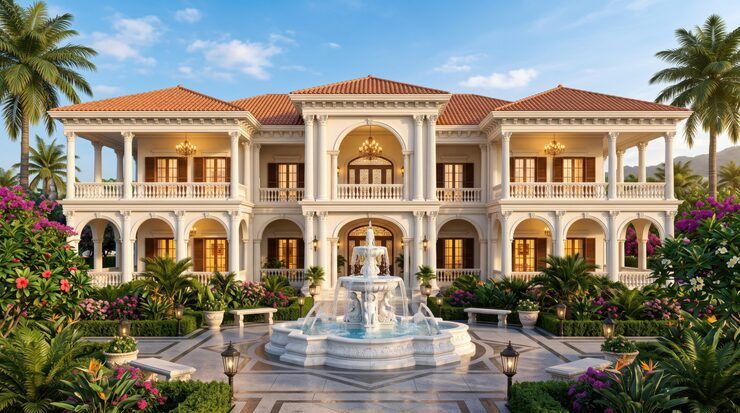
Heritage mansion hotels are accommodation properties established in historic mansions, palaces, manor houses, traditional residences, and other architecturally significant buildings. These properties combine the character of historic architecture with facilities intended for modern travelers.
They can be found in many parts of the world, including European manor houses, Indian royal residences, traditional Japanese buildings, Mediterranean villas, and historic homes in Latin America. Their architectural styles reflect the cultures, materials, construction methods, and social histories of the places where they were built.
Converting a historic mansion into a hotel can provide a practical use for a building that might otherwise deteriorate or remain underused. However, successful conversion requires careful planning because modern accommodation facilities must coexist with the original structure and its cultural significance.
Understanding Heritage Mansion Hotels
A heritage mansion hotel differs from a conventional modern hotel because the building itself is an important part of the experience. Original staircases, decorative ceilings, courtyards, gardens, fireplaces, historic furniture, and traditional construction materials may contribute to the property's identity.
Some properties retain much of their original layout, while others combine historic exteriors with updated interiors and infrastructure.
Common architectural features include:
Ornate entrances and reception halls
High ceilings and decorative plasterwork
Historic courtyards and gardens
Traditional stone, brick, or timber construction
Period furniture and decorative arts
Historic staircases and balconies
Landscaped grounds and formal gardens
Locally significant architectural details
The extent of preservation varies. Some buildings have formal heritage designations, while others are historically interesting properties without protected status.
How Historic Mansions Become Hotels
Converting a mansion into accommodation generally involves several stages.
Historical assessment: Architects and heritage specialists examine the building's history, architectural features, structural condition, and cultural importance.
Structural restoration: Necessary repairs address foundations, roofs, walls, drainage, and other elements that affect stability.
Modern infrastructure: Electrical systems, plumbing, ventilation, fire protection, and communication systems may require careful installation.
Guest facilities: Bedrooms, bathrooms, kitchens, dining areas, and common spaces are planned around the existing structure.
Conservation management: A maintenance plan helps protect historic materials and manage future repairs.
The goal is to make the building usable while retaining important historic features.
Types of Heritage Mansion Hotels
Heritage properties vary according to their historical purpose, location, and architecture.
| Property Type | Architectural Characteristics | Historical Context |
|---|---|---|
| Royal palace conversion | Formal halls, courtyards, elaborate decoration | Royal or aristocratic history |
| Colonial-era mansion | Verandas, high ceilings, traditional materials | Colonial urban development |
| European manor house | Gardens, stone façades, period interiors | Estate and rural history |
| Mediterranean villa | Terraces, courtyards, regional stonework | Regional residential architecture |
| Traditional Japanese residence | Timber structures, gardens, sliding screens | Traditional domestic design |
| Historic urban townhouse | Narrow frontage, multiple floors, decorative façades | City residential history |
The building's location and historical background influence the restoration approach and the facilities that can be accommodated.
Why Heritage Mansion Hotels Matter
Heritage mansion hotels can contribute to architectural preservation, cultural tourism, local economic activity, and the continued use of historic buildings.
Protecting Historic Architecture
Historic buildings require regular maintenance. Roof deterioration, moisture, pests, outdated electrical systems, and structural movement can gradually damage architectural features.
An active and properly maintained property can provide a reason to invest in repairs and long-term conservation. Nevertheless, accommodation conversion is not appropriate for every historic building, particularly where alterations could cause unacceptable damage.
Cultural and Educational Value
Historic mansions can help visitors understand regional architecture, craftsmanship, social history, and traditional ways of living.
Interpretive displays, preserved interiors, historical records, and guided explanations can provide additional context.
Important educational themes include:
Traditional construction techniques
Historic interior design
Regional architectural styles
Garden and landscape history
Local craftsmanship
Changes in domestic life
Cultural heritage preservation
Sustainable Use of Existing Buildings
Reusing an existing building can reduce the need for demolition and some forms of new construction. Retaining structural elements may also conserve materials and the embodied energy associated with the original construction.
However, heritage restoration can require substantial materials and energy. Environmental performance depends on the condition of the building, renovation methods, energy systems, and ongoing maintenance.
Recent Developments and Trends
Heritage accommodation has increasingly intersected with sustainable tourism, adaptive reuse, accessibility, and conservation technology.
Adaptive Reuse and Building Preservation
During 2025 and 2026, adaptive reuse remained an important topic in architecture and urban development. The approach involves adapting an existing building to a new purpose while retaining significant features.
For heritage mansion hotels, this may include integrating contemporary bathrooms, discreet climate-control systems, improved insulation, and fire-safety infrastructure without unnecessarily altering historic interiors.
The appropriate solution depends on the building's heritage status, physical condition, and local planning requirements.
Digital Heritage Documentation
Three-dimensional scanning, digital photography, building information modelling, and digital archives are increasingly relevant to historic building conservation.
These tools can document decorative details and structural conditions before restoration work begins. They can also help architects compare proposed alterations with the original building.
Digital documentation is particularly useful when dealing with complex façades, historic staircases, ornamental ceilings, and irregular building layouts.
Sustainability and Energy Efficiency
Historic accommodation properties face a particular challenge: improving energy performance without damaging significant materials or architectural features.
Current approaches can include efficient lighting, carefully designed heating and cooling systems, improved building controls, rainwater management, and the maintenance of traditional windows and shutters.
Energy improvements should be assessed according to the building's construction and conservation requirements rather than applying the same approach used for modern buildings.
Accessibility and Visitor Expectations
Modern travelers increasingly expect clear accessibility information, reliable safety arrangements, and contemporary facilities.
Historic buildings may have narrow corridors, stairs, uneven surfaces, and limited space for elevators. Restoration teams must therefore evaluate accessibility improvements carefully and follow the applicable regulations.
Where full physical access is difficult, additional interpretation and clear information can help visitors understand the building's limitations before making travel arrangements.
Laws, Policies, and Heritage Protection
The legal requirements for heritage mansion hotels depend on the country, municipality, heritage designation, and intended use of the property.
Historic Building Protection
Governments may designate historic mansions as protected monuments, listed buildings, conservation properties, or buildings within heritage districts.
Such designations can restrict demolition, changes to façades, removal of original materials, extensions, signage, and alterations to significant interiors.
In India, the Ancient Monuments and Archaeological Sites and Remains Act, 1958, provides a framework for the protection of centrally protected monuments and archaeological sites. Restrictions may apply to development around protected monuments, depending on the location and applicable permissions.
Not every historic mansion falls under this legislation. State heritage rules, municipal regulations, and other laws may also apply.
Planning and Building Safety
Converting a residential mansion into a hotel can change its legal building use. Depending on the location, approvals may be required for land use, structural alterations, fire safety, sanitation, occupancy, and commercial accommodation.
Fire-safety planning is particularly important because historic buildings may contain timber elements, narrow staircases, complex floor plans, and limited evacuation routes.
Environmental and Accessibility Requirements
Heritage properties may also need to comply with applicable requirements for wastewater, waste management, energy use, accessibility, and public safety.
The challenge is to meet modern standards while protecting significant architectural features. Early consultation with heritage authorities, architects, engineers, and building-safety specialists can help identify practical solutions.
Tools and Resources for Heritage Property Planning
Several resources can support research, restoration planning, and responsible heritage accommodation management.
Heritage Records and Archives
National heritage registers, municipal planning departments, historic maps, and architectural archives can provide information about a property's age, ownership history, original use, and heritage status.
Historical photographs and building records are particularly useful when planning restoration.
Digital Surveying and Documentation
Architects and conservation professionals may use:
Three-dimensional laser scanning
Photogrammetry
Building information modelling
Digital condition surveys
Historical drawing archives
Structural inspection reports
These tools help document existing conditions and support more informed restoration decisions.
Building Performance Assessment
Energy audits and building-condition assessments can identify areas requiring attention.
A useful assessment may examine insulation, ventilation, moisture, heating and cooling systems, electrical safety, water consumption, and the condition of historic materials.
Restoration Planning Checklist
Before adapting a historic mansion, document the following:
| Assessment Area | Key Considerations |
|---|---|
| Heritage status | Designation and alteration restrictions |
| Structure | Foundations, walls, roofs, and drainage |
| Fire safety | Detection, evacuation, and emergency access |
| Accessibility | Entrances, circulation, and facilities |
| Utilities | Electrical, plumbing, and climate control |
| Environment | Energy, water, and waste management |
| Conservation | Original materials and decorative features |
| Maintenance | Inspection schedules and repair priorities |
Frequently Asked Questions
What is a heritage mansion hotel?
It is an accommodation property located in a historic mansion or architecturally significant residence. It combines modern visitor facilities with the building's historic character and architectural features.
Are all heritage mansion hotels legally protected?
No. Some have formal protection under national or local heritage laws, while others are historic buildings without a specific legal designation. The applicable status should be verified through the relevant authorities.
How are historic mansions adapted for modern accommodation?
Adaptation can involve structural repairs, updated plumbing and electrical systems, fire protection, bathrooms, climate control, and carefully planned guest facilities. The extent of alterations depends on the building's condition and heritage requirements.
Can heritage mansion hotels be environmentally sustainable?
They can incorporate energy-efficient systems, water management, waste reduction, and the reuse of existing structures. Results depend on the restoration approach, building performance, and ongoing management.
What should travelers consider when selecting a heritage mansion hotel?
Travelers should examine the property's historical background, location, accessibility, available facilities, safety information, and the extent to which original architectural features have been preserved. Official property information and independent historical records can provide useful context.
Conclusion
Heritage mansion hotels connect historic architecture with contemporary accommodation. They can help maintain important buildings, preserve traditional craftsmanship, and provide opportunities to learn about local history and architectural development.
Their long-term success depends on more than retaining an attractive façade. Structural stability, fire protection, accessibility, energy performance, and appropriate maintenance all influence whether a historic property can continue to function safely.
Recent developments in adaptive reuse and digital heritage documentation demonstrate how modern technology can support conservation planning. At the same time, heritage laws and local building regulations establish important boundaries for renovation and continued use.
Careful research, professional assessment, and respect for historic materials can help ensure that heritage mansion hotels remain functional while preserving the architectural and cultural qualities that make them distinctive.