Capacitor forming machines are specialized industrial systems used during capacitor manufacturing to establish or improve the dielectric layer on certain types of capacitors. This process is particularly important in aluminum electrolytic capacitors, where an electrically formed aluminum oxide layer acts as the dielectric material separating the conductive components.
Capacitors are electronic components that store electrical energy in an electric field. They are widely used in power supplies, industrial equipment, electric vehicles, telecommunications, renewable energy systems, and consumer electronics. Their performance depends on factors such as capacitance, voltage rating, leakage current, temperature tolerance, and dielectric quality.
In aluminum electrolytic capacitor production, forming generally involves applying a controlled electrical voltage to an aluminum foil under suitable electrolyte and process conditions. This creates or strengthens the oxide layer required for the intended electrical characteristics. The process must be carefully controlled because the dielectric layer influences insulation performance and voltage capability.
How Capacitor Forming Machines Work
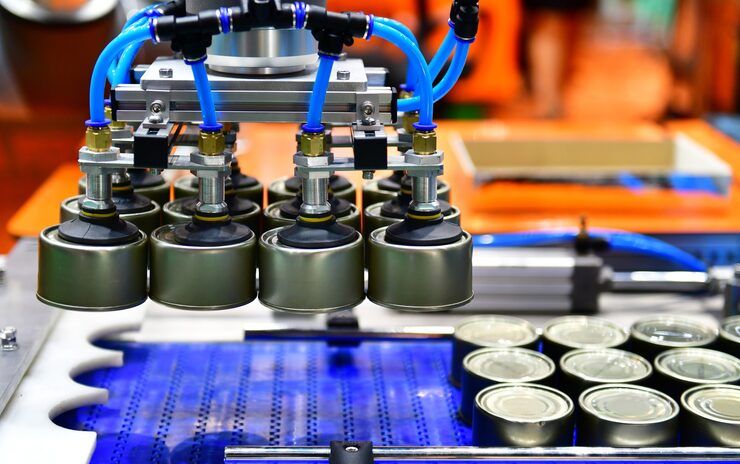
A capacitor forming machine typically combines electrical power control, process monitoring, material handling, and safety mechanisms. Depending on the production design, the machine may process aluminum foil continuously or handle individual components in batches.
The general process includes:
Material preparation: Aluminum foil is prepared according to the required capacitor design and production specifications.
Electrical forming: A controlled voltage is applied to establish the required dielectric oxide layer.
Process monitoring: Voltage, current, temperature, and processing time are monitored as appropriate.
Stabilization and inspection: The formed material may undergo additional treatment and electrical checks.
Quality verification: Measurements help determine whether the material meets the required electrical specifications.
Not every capacitor uses this type of machine. Ceramic, film, tantalum, and other capacitor technologies use different manufacturing methods. Therefore, equipment selection depends on the capacitor material, design, voltage rating, and production requirements.
Importance of Capacitor Forming Machines in Modern Manufacturing
Capacitor forming machines play an important role in producing reliable electronic components for applications that require controlled electrical characteristics. The quality of the dielectric layer can influence leakage current, voltage withstand capability, and long-term performance in aluminum electrolytic capacitors.
As electronic systems become more compact and power requirements increase, manufacturers need consistent production processes and dependable quality control. Forming equipment helps maintain repeatable manufacturing conditions and identify deviations before materials proceed to later production stages.
Industries That Depend on Capacitor Manufacturing
Capacitors are used across several industrial and technology sectors.
Automotive electronics: Supports electrical systems, power conversion, and selected electric vehicle applications.
Renewable energy: Capacitors help manage electrical energy in solar inverters and wind power conversion systems.
Industrial automation: Used in motor drives, control panels, and power electronics.
Telecommunications: Supports power management in communication equipment and network infrastructure.
Consumer electronics: Found in computers, televisions, household electronics, and charging equipment.
Power electronics: Used in voltage regulation, filtering, energy storage, and electrical conversion.
Factors That Influence Forming Quality
Several operating parameters affect the forming process and the quality of the resulting dielectric layer.
Forming voltage and its application profile.
Electrolyte composition and temperature.
Processing time and electrical current.
Aluminum foil characteristics and surface preparation.
Equipment calibration and process stability.
Inspection procedures and traceability records.
Careful control of these parameters helps reduce inconsistencies and supports the production of capacitors that meet their specified electrical requirements.
Recent Developments in Capacitor Manufacturing
Developments in 2025 and 2026 reflect broader changes in electronics manufacturing, power conversion, automation, and component reliability. Although there has not been a single universal change in capacitor forming machine technology, manufacturers continue to adapt production methods to changing component requirements.
Automation and Digital Process Monitoring
Modern capacitor manufacturing increasingly uses programmable logic controllers (PLCs), industrial sensors, and computerized monitoring systems. These technologies help operators regulate electrical parameters, monitor production conditions, and maintain process records.
Common developments include:
Automated voltage and current control.
Digital recording of forming cycles.
Alarm systems for abnormal operating conditions.
Production data analysis to identify recurring defects.
Integration with manufacturing execution systems (MES).
Automation can improve consistency, but its effectiveness depends on suitable calibration, reliable sensors, and appropriate process validation.
Changing Requirements for Electronic Components
Demand from data centers, electric mobility, renewable energy, and industrial power conversion has increased attention to capacitor performance under demanding operating conditions.
For example, on October 7, 2026, a fusion energy development program in the United States announced approval of milestones involving the design and initial prototype of a high-voltage pulsed-power capacitor. This illustrates the specialized requirements associated with emerging energy technologies, although it does not represent a general change in capacitor forming machinery.
Manufacturers must evaluate whether their forming processes are appropriate for the particular capacitor chemistry and design. Not every advanced capacitor uses aluminum oxide formation, and different materials require different manufacturing methods.
Precision Manufacturing and Quality Assurance
Another important trend is the integration of forming equipment with downstream electrical testing. Capacitance measurement, leakage current testing, insulation assessment, and other appropriate checks can help identify defects.
Manufacturers may also use statistical process control to analyze variations between production batches. Reviewing process data can help identify changes in foil quality, equipment performance, or environmental conditions.
Laws, Regulations, and Industry Standards
Capacitor forming machines are affected by industrial machinery safety requirements, electrical safety practices, workplace regulations, and standards applicable to the finished capacitors. The exact obligations depend on the country, equipment classification, and product category.
Regulatory Considerations in India
India uses the Bureau of Indian Standards (BIS) framework to establish standards for specified electrical products. Relevant standards may address product performance, safety, testing, and marking.
Examples include:
IS 2993: Addresses alternating-current motor capacitors.
IS 13340: Covers specified self-healing shunt power capacitors for alternating-current systems within its defined voltage scope.
IS 13585: Covers specified non-self-healing shunt power capacitors within its applicable scope.
The applicable edition and certification requirements must be checked for the particular capacitor type. These product standards do not automatically mean that every capacitor forming machine requires separate BIS certification.
India also published the Machinery and Electrical Equipment Safety (Omnibus Technical Regulation) Amendment Order in 2025. The regulatory framework subsequently changed, including the withdrawal of the 2024 order in January 2026. Manufacturers should verify the currently applicable machinery safety requirements rather than relying on earlier implementation dates.
Workplace and Electrical Safety
Capacitor forming equipment can involve high electrical voltages, chemical exposure, heated components, and moving machinery. Appropriate safety measures may include:
Electrical enclosures and interlocks.
Emergency stop controls.
Lockout and isolation procedures during maintenance.
Suitable ventilation and chemical handling arrangements.
Operator training and documented risk assessments.
Inspection of grounding, wiring, and protective devices.
Compliance should be assessed against current laws, applicable Indian Standards, and the equipment manufacturer's technical documentation.
Tools and Resources for Capacitor Forming Operations
Manufacturing teams use a combination of measurement instruments, software, and documentation to maintain process control.
Common Technical Tools
Digital multimeters: Measure voltage, resistance, and other electrical parameters within the instrument's rating.
Oscilloscopes: Help evaluate electrical waveforms and transient behavior.
Data acquisition systems: Record voltage, current, temperature, and other process variables.
LCR meters: Measure inductance, capacitance, and resistance under specified test conditions.
Leakage current testers: Evaluate capacitor leakage characteristics using an appropriate test procedure.
PLC monitoring software: Supports equipment control, alarms, and process data recording.
Statistical process control spreadsheets: Help identify variation, recurring defects, and unusual production patterns.
Useful Manufacturing Records
A practical quality management system may include:
Forming process parameter sheets.
Machine calibration records.
Preventive maintenance checklists.
Batch traceability logs.
Electrical testing reports.
Safety inspection records.
Corrective action documentation.
These records help production teams investigate deviations and demonstrate that the manufacturing process is controlled. Test limits should always follow the relevant product specification and validated manufacturing procedure.
Frequently Asked Questions
What is a capacitor forming machine?
It is specialized equipment used to establish or improve a dielectric layer during the manufacture of certain capacitors, especially aluminum electrolytic capacitors. It controls electrical and process parameters to achieve the required material characteristics.
Which capacitors require a forming process?
Electrolytic capacitors, particularly aluminum electrolytic types, use dielectric formation involving an oxide layer. Ceramic and film capacitors use different manufacturing processes and generally do not require the same aluminum foil forming operation.
Which parameters are monitored during capacitor forming?
Depending on the machine and process, important parameters include forming voltage, current, processing time, electrolyte temperature, and material condition. Monitoring requirements depend on the specific capacitor design.
How does automation improve capacitor manufacturing?
Automation helps regulate process settings, record operating data, identify abnormal conditions, and maintain repeatable production cycles. It supports quality assurance but does not replace inspection, calibration, or engineering validation.
What safety precautions are important when operating forming equipment?
Important precautions include electrical isolation, protective enclosures, functioning interlocks, emergency stops, appropriate chemical handling, and trained operators. High-voltage equipment must be operated and maintained according to documented safety procedures.
Conclusion
Capacitor forming machines are an important part of manufacturing certain electronic capacitors, particularly aluminum electrolytic types. By controlling voltage, current, processing time, and other relevant parameters, these systems help establish the dielectric properties needed for reliable electrical performance.
Advances in automation, digital monitoring, and production data analysis are supporting more consistent manufacturing processes. At the same time, appropriate equipment selection, routine maintenance, electrical safety, and compliance with relevant product standards remain essential.
Understanding the forming process helps manufacturers, engineers, and electronics professionals recognize how material characteristics and production controls influence capacitor quality. A well-controlled manufacturing approach supports dependable components for industrial electronics, renewable energy, automotive systems, and other applications.