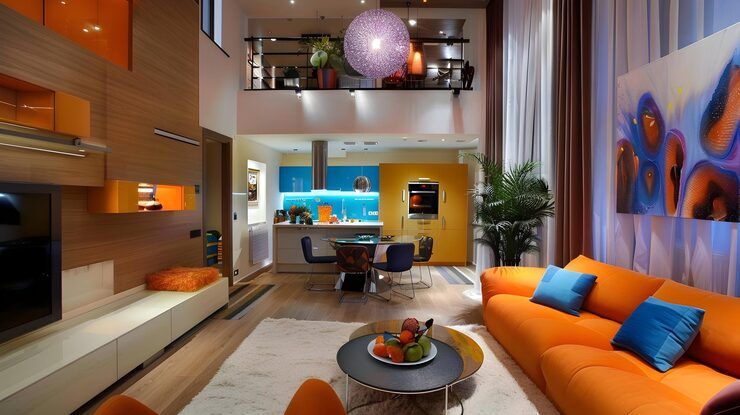
Home design continues to evolve as people reconsider how living spaces support comfort, work, health, energy efficiency, and everyday routines. The interiors expected to shape 2027 are likely to reflect a combination of established design principles and emerging ideas in materials, technology, sustainability, and flexible space planning.
Rather than one universal style dominating every home, interior design is increasingly influenced by personal preferences, regional architecture, household size, climate, and the practical requirements of individual rooms. Some households prioritize minimalist spaces, while others prefer layered textures, traditional details, natural materials, or colorful interiors.
Looking ahead to 2027, several themes are worth watching: adaptable rooms, nature-inspired finishes, thoughtful lighting, durable materials, integrated technology, and designs that support long-term use. These are emerging possibilities rather than guaranteed predictions, and their adoption will vary across markets and households.
Why Home Design Is Changing
Modern homes often need to accommodate several activities within limited space. A living room may function as a relaxation area, a workspace, and an entertainment zone, while a bedroom may also require storage or a small study area.
These overlapping needs have encouraged interior designers to consider how rooms function throughout the day, not just how they appear in photographs.
Other influences include energy use, changing household structures, advances in connected devices, and greater awareness of indoor environmental quality.
The Importance of Functional Interiors
A well-planned interior can make everyday activities easier by improving circulation, storage, lighting, acoustics, and the use of available floor space.
For example, placing storage near frequently used areas can reduce clutter, while layered lighting can make a room suitable for reading, cooking, working, and relaxing.
Useful priorities for 2027 interior planning may include:
Flexible layouts that accommodate changing routines
Materials that are durable and easy to maintain
Better use of daylight and efficient artificial lighting
Storage that reduces visual clutter
Comfortable furniture and clear walking paths
Smart technology that solves practical problems
Design choices that support accessibility and long-term usability
The most effective design decisions are those that address the needs of the people using the space rather than following a trend simply because it is popular.
Natural Materials and Earth-Inspired Colors
Natural textures and restrained color palettes are likely to remain influential in residential interiors during 2027. Wood, stone, clay-based finishes, linen, cotton, and textured ceramics can add visual depth without requiring complex decorative arrangements.
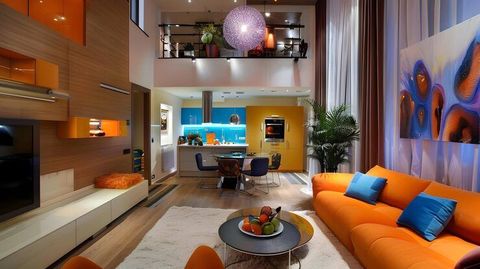
Colors associated with landscapes may also continue to influence interiors. Examples include warm beige, muted green, terracotta, soft brown, mineral gray, and deep blue.
These colors can work as a coordinated palette or as individual accents against neutral backgrounds.
Flexible Layouts and Multi-Purpose Rooms
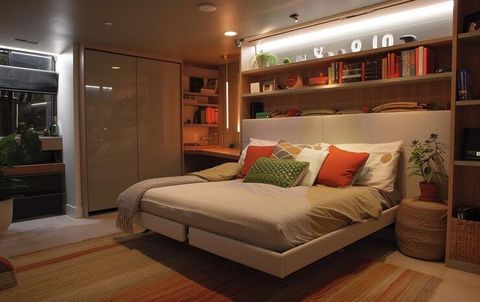
Flexible interiors are likely to remain important in 2027 as households seek to use available space more effectively. A single room may need to accommodate work, relaxation, exercise, and occasional guests.
Designers can address these needs through movable partitions, foldaway desks, modular seating, concealed storage, and furniture that serves more than one purpose.
Examples include:
A guest bedroom with a compact study area
A dining space with integrated storage
A living room with adjustable lighting for different activities
A compact apartment with sliding partitions
A bedroom with organized storage and a dedicated reading corner
The goal is to maintain comfort and clear circulation while allowing a room to adapt as household needs change.
Smart Home Technology and Integrated Lighting
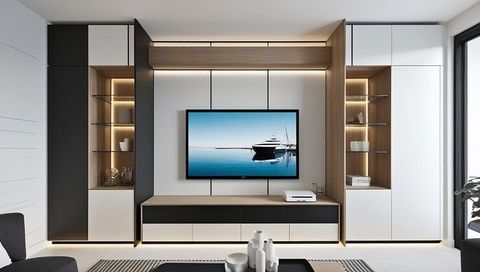
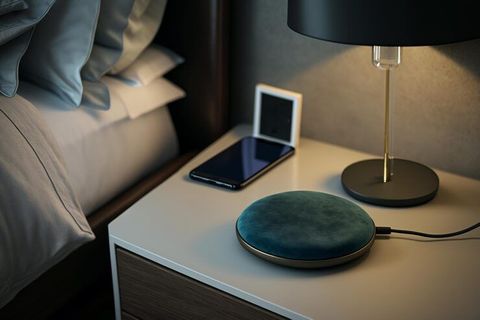
Smart home technology may become more closely integrated with interior design rather than appearing as a collection of separate devices.
Connected lighting, automated window coverings, temperature controls, and energy-monitoring systems can support daily routines. Their usefulness depends on compatibility, installation quality, privacy settings, and ease of operation.
Layered lighting is another important consideration. Instead of relying on one central ceiling fixture, a room can combine ambient, task, and accent lighting.
Lighting Type | Primary Purpose | Common Applications |
|---|---|---|
Ambient | General illumination | Ceiling fixtures and indirect lighting |
Task | Focused visibility | Reading areas and kitchen counters |
Accent | Highlighting features | Artwork, shelves, and architectural details |
Natural | Daylight utilization | Windows, skylights, and glazed openings |
Smart controls can make these layers easier to adjust, but straightforward manual controls remain useful for accessibility and everyday convenience.
Sustainable Materials and Energy Efficiency
Sustainability is likely to remain a major consideration in residential interior design. Rather than relying on a single environmental feature, a well-planned home can combine durable materials, efficient lighting, appropriate insulation, and reduced material waste.
Potential choices include reclaimed timber, recycled-content surfaces, responsibly sourced wood, natural-fiber textiles, and low-emission interior finishes. Each material should be evaluated for durability, maintenance, indoor air quality, and suitability for its intended environment.
Energy-efficient interior planning may include:
Using daylight where practical
Selecting efficient lighting
Improving insulation and draught control
Choosing window coverings suited to the climate
Managing indoor temperature effectively
Selecting durable finishes that require less frequent replacement
The best approach varies with local weather, building design, available materials, and applicable energy requirements.
Laws, Building Codes, and Interior Design Policies
Home interior projects are affected by local building regulations, electrical safety requirements, accessibility standards, fire protection rules, and environmental requirements. The applicable rules depend on the country and the type of renovation.
For example, the revised European Union Energy Performance of Buildings Directive entered into force in May 2024, with a deadline of May 29, 2026, for member states to incorporate it into national law. Its wider objectives include improving building energy performance and encouraging renovation. Specific obligations depend on national implementation.
In the United States, residential renovations may be subject to state and local building codes, electrical regulations, fire safety requirements, and energy-efficiency standards. Requirements can differ between jurisdictions.
Before changing a home's layout, consider:
Whether structural walls will be altered
Whether electrical or plumbing work requires authorization
Whether ventilation and fire safety could be affected
Whether accessibility requirements apply
Whether the property is subject to heritage restrictions
Whether materials meet relevant safety standards
Decorative changes are generally different from structural renovations, so the necessary approvals should be confirmed before work begins.
Tools and Resources for Home Design Planning
Digital tools can help homeowners compare layouts, organize materials, and develop a practical interior design plan.
Room-planning software: Floor-plan applications can help arrange furniture, check circulation space, and visualize room dimensions.
Color palette tools: Digital color selectors can help compare wall colors, flooring, cabinetry, and textiles under different design schemes.
Lighting calculators: Basic lighting calculations can help estimate illumination requirements for individual rooms, although final specifications should account for room dimensions and fixture performance.
Energy assessment resources: Government energy-efficiency guidance can help identify insulation, ventilation, lighting, and heating improvements relevant to the local climate.
Project planning spreadsheets: A simple spreadsheet can record room dimensions, materials, estimated quantities, installation stages, maintenance requirements, and project priorities.
For useful results, measurements and product specifications should be verified rather than relying entirely on digital visualizations.
Frequently Asked Questions
What home design trends could become important in 2027?
Potential trends include natural textures, flexible layouts, warm color palettes, layered lighting, integrated smart technology, durable materials, and more personalized interiors. Their popularity will vary by region and household preference.
Are sustainable materials suitable for every room?
Not necessarily. Material selection depends on moisture, heat, wear, cleaning requirements, and installation conditions. For example, a material suitable for a living room may not perform well in a wet bathroom environment.
How can a small home feel more spacious?
Using multifunctional furniture, vertical storage, suitable lighting, clear walking paths, and coordinated colors can help make a small interior feel more organized. Removing unnecessary obstacles can also improve usability.
Is smart home technology necessary for a modern interior?
No. Smart devices can improve convenience and energy management, but a functional interior can be designed without them. Technology should address a practical need and remain easy to operate.
What should be checked before renovating a home?
Review the existing layout, structural conditions, electrical systems, ventilation, material requirements, accessibility, and applicable building regulations. Major alterations may require professional assessment and official approval.
Conclusion
The home design trends that could shape interiors in 2027 point toward a balance between visual character and everyday practicality. Natural materials, flexible rooms, layered lighting, integrated technology, and durable finishes are all relevant directions to consider, although no single style will suit every household.
Recent interior design research published in 2025 and 2026 has highlighted sustainability, personal expression, wellness, and technology as important influences on the built environment. These themes provide useful context for planning future interiors without treating predictions as guaranteed outcomes.
The most effective design decisions begin with the people who use the home. By considering space, comfort, maintenance, energy efficiency, accessibility, and local regulations, households can create interiors that remain functional and adaptable beyond a single design season.