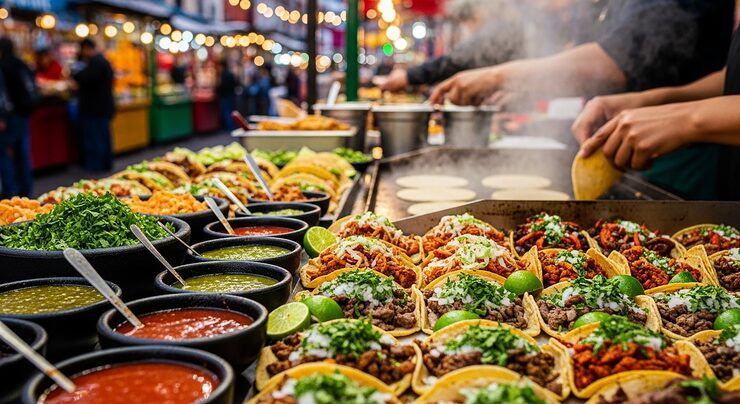
Bangkok street food trails are informal routes through markets, neighborhood streets, food lanes, riverside areas, and established market districts where visitors can experience different types of Thai cuisine.
Unlike a conventional restaurant-focused itinerary, a street-food trail can include several small stops. A traveler might begin with breakfast noodles, continue with grilled foods or rice dishes, try a Thai dessert, and finish at an evening market.
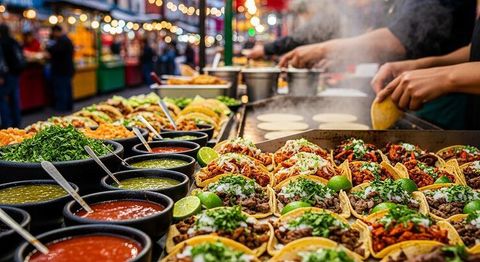
Thailand's Tourism Authority describes street food as an important part of the country's food culture, with stalls serving dishes such as curries, stir-fried foods, noodles, grilled meats, soups, and spicy salads. (tourismthailand.org)
Bangkok is particularly suited to this style of exploration because different neighborhoods have developed distinctive food environments.
Major Bangkok Street Food Areas
| Area | Known For | Best Time to Explore |
|---|---|---|
| Yaowarat | Chinese-Thai food, seafood, desserts | Evening |
| Old Town | Traditional dishes and local snacks | Morning to evening |
| Khlong Toei | Fresh ingredients and local market culture | Morning |
| Bang Rak | Thai and multicultural food | Morning to evening |
| Ari | Modern neighborhood food culture | Afternoon to evening |
| Khao San Road | International and Thai street food | Evening |
| Chatuchak area | Market food and snacks | Weekend daytime |
| Talad Rot Fai-style markets | Street snacks and evening food culture | Evening |
Khao San Road, for example, is identified by the Tourism Authority of Thailand as a major gathering area for international travelers and includes restaurants and roadside food at night. (tourismthailand.org)
Why Bangkok Street Food Matters
Street food plays an important role in Bangkok's cultural and everyday food landscape. It provides convenient access to dishes that reflect regional Thai cooking, Chinese-Thai traditions, immigrant communities, seasonal ingredients, and modern food trends.
For visitors, a street-food trail can also provide a more direct connection with neighborhood life.
Food exploration can help travelers understand:
- Thai herbs and spices
- Regional cooking traditions
- Rice and noodle-based meals
- Grilling and stir-frying techniques
- Traditional desserts
- Chinese-Thai culinary influences
- Seasonal ingredients
- Local market culture
The experience also matters from a tourism perspective. Food is often a major reason travelers explore a destination, and Bangkok's combination of markets, food streets, restaurants, and neighborhood stalls creates a varied culinary landscape.
Types of Food to Look For
A Bangkok food trail can include many different categories:
- Pad Thai
- Boat noodles
- Tom yum
- Som tam
- Grilled chicken
- Moo ping
- Khao man gai
- Thai curries
- Mango sticky rice
- Coconut-based desserts
- Fresh fruit
- Thai milk tea
- Chinese-Thai dishes
- Regional noodle dishes
Not every dish is available at every location, and menus can change according to the day, season, and market.
Recent Developments in Bangkok Street Food
Bangkok's street-food landscape continues to change as the city balances food culture, public-space management, pedestrian access, environmental standards, and food safety.
Food Safety Monitoring in 2026
The Bangkok Metropolitan Administration's Food Sanitation Division continues to conduct food-safety monitoring and education programs.
Its 2026 activities include inspections and guidance relating to food sanitation, markets, food stalls, food establishments, and public health. The division published its 2026 operating plan for assessing and monitoring food-safety standards for Bangkok food stalls in November 2025. (foodsanitation.bangkok.go.th)
During July and August 2026, the department also published public guidance concerning food poisoning prevention, meat safety, waste management for food stalls, and sanitation practices. (foodsanitation.bangkok.go.th)
This reflects continuing attention to hygiene alongside Bangkok's street-food culture.
Public-Space Enforcement
Street food is also affected by rules governing sidewalks and public areas.
On March 2, 2026, Bangkok's municipal enforcement authorities reported inspections in several districts concerning food preparation, vending, and placement of objects in public areas. The announcement referenced Thailand's law concerning cleanliness and public order and stated that unauthorized sidewalk vending can result in legal action. (bangkok.go.th)
For visitors, this means that a food stall seen in a travel article may not necessarily operate at the same location indefinitely.
Premium Market Standards
Bangkok's Food Sanitation Division also reported the 2026 results of its Premium Market assessment program in August 2026. The program recognizes markets that meet specified standards under Bangkok's market-safety framework. (foodsanitation.bangkok.go.th)
This gives travelers another reason to consider established markets alongside informal street-food areas.
A Snapshot of the Changing Food Landscape
| Development | 2025–2026 Direction |
|---|---|
| Food safety | Continued inspection and public education |
| Food stalls | Ongoing monitoring of hygiene standards |
| Public sidewalks | Increased enforcement of unauthorized vending |
| Markets | Premium Market assessment |
| Food information | Greater digital and public-health guidance |
| Waste management | Increased attention to stall waste practices |
Laws and Policies Affecting Street Food
Bangkok street food operates under a combination of national Thai food regulations and Bangkok municipal rules.
Public-Space Rules
Thailand's Act on Maintaining the Cleanliness and Orderliness of the Country restricts food preparation and vending on roads or public places except in locations and periods where local authorities have permitted such activities.
Bangkok authorities continue to enforce these rules. In 2025 and 2026, municipal announcements documented enforcement in areas where public-space vending was no longer permitted. (bangkok.go.th)
For visitors, the practical implication is that street-food locations can change over time.
Food Hygiene
Thailand's Ministry of Public Health and Food and Drug Administration establish national food-safety requirements.
Thai FDA guidance explains that food-production rules include requirements concerning sanitation, process control, equipment, premises, and personal hygiene. (en.fda.moph.go.th)
Street-food stalls in public areas have specific regulatory treatment under the national framework, while Bangkok's local authorities conduct food-safety monitoring and inspections.
Food Safety Regulations Updated in 2025–2026
Thailand's Food and Drug Administration maintains a current database of Ministry of Public Health food regulations.
For example, Notification No. 457 B.E. 2568 concerning prohibited foods was published in September 2025, while additional food regulations came into force during 2026, including rules concerning food additives and packaged foods. (food.fda.moph.go.th)
These rules mainly affect food production and regulation, but they are part of the wider framework governing food safety in Thailand.
Practical Hygiene Awareness
Visitors can reduce food-related risks by considering:
- Whether food is cooked thoroughly
- Whether hot foods are kept hot
- Whether ingredients appear properly stored
- Whether preparation surfaces look clean
- Whether raw and cooked foods are separated
- Whether drinking water is appropriately handled
- Whether food is protected from dust and insects
These observations do not guarantee food safety, but they can help travelers make informed choices.
Tools and Resources for Bangkok Food Trails
A combination of official information and digital planning tools can make a street-food itinerary easier to organize.
Tourism Authority of Thailand
The official Tourism Authority of Thailand website provides information about Thai cuisine, local food traditions, markets, destinations, and regional dishes. (tourismthailand.org)
It is useful for understanding the broader cultural context behind dishes rather than focusing only on individual food stalls.
Bangkok Food Sanitation Division
The Bangkok Metropolitan Administration's Food Sanitation Division publishes information about food hygiene, market standards, public-health campaigns, and food-safety activities. (foodsanitation.bangkok.go.th)
Digital Maps
Map applications are particularly useful for building food trails. Travelers can create a route that includes:
- Markets
- Food streets
- BTS stations
- MRT stations
- Temples
- Parks
- Shopping areas
- Public restrooms
Walking distance can be more important than straight-line distance because Bangkok's roads, canals, rail lines, and pedestrian routes can create indirect paths.
Translation Tools
Translation applications can help travelers understand:
- Thai food names
- Ingredient descriptions
- Spice levels
- Allergy information
- Menu instructions
- Stall signs
For people with food allergies, carrying a clearly written Thai-language explanation of the relevant allergy can be particularly useful.
Weather and Air-Quality Tools
Bangkok's heat, humidity, rain, and air quality can affect outdoor food exploration.
Before beginning a trail, travelers can check:
- Hourly temperature
- Rain probability
- Air-quality readings
- Thunderstorm warnings
- Heat conditions
Bangkok Food Trail Planning Table
| Planning Factor | Useful Information |
|---|---|
| Location | Food streets and established markets |
| Transport | BTS, MRT, river transport and walking |
| Timing | Breakfast, lunch, afternoon or evening |
| Weather | Heat, humidity and rainfall |
| Hygiene | Food preparation and storage conditions |
| Language | Thai menu translations |
| Allergies | Ingredient information and translation |
| Crowds | Peak meal periods and weekends |
| Regulations | Current public-space restrictions |
Frequently Asked Questions
What are the best areas for Bangkok street food?
Popular areas include Yaowarat, the Old Town, Khlong Toei, Bang Rak, Ari, Khao San Road, and various markets throughout the city. The best area depends on whether the traveler is interested in traditional dishes, markets, desserts, seafood, regional cuisine, or evening food culture.
Is Bangkok street food safe to eat?
Food safety varies between individual locations. Travelers can reduce risks by choosing food that is cooked thoroughly, observing hygiene practices, and following public-health guidance. Bangkok authorities conduct food-safety monitoring and education programs, but no informal visual assessment can guarantee that a particular dish is safe. (foodsanitation.bangkok.go.th)
What should travelers do about spicy Thai food?
Spice levels vary considerably. Travelers can ask for a milder preparation using phrases such as “mai phet” or communicate their preferred level before the food is prepared. Translation tools can help when communication is difficult.
Can street-food stalls operate anywhere in Bangkok?
No. Public-space vending is regulated, and Bangkok authorities continue to enforce restrictions on unauthorized sidewalk and public-area vending. Authorized locations and permitted areas can change over time. (bangkok.go.th)
How can visitors plan a Bangkok street-food trail?
Choose one or two nearby food districts rather than attempting to cover the entire city. Check opening times, weather, transport routes, dietary requirements, and current local information before leaving. A map application and translation tool can make the experience easier to navigate.
Conclusion
Bangkok street food trails provide a practical way to explore Thai cuisine while learning about markets, neighborhoods, ingredients, cooking traditions, and everyday urban life.
The food landscape continues to evolve. During 2025–2026, Bangkok authorities increased attention to food-safety monitoring, market standards, public education, waste management, and enforcement of public-space regulations. (foodsanitation.bangkok.go.th)
At the same time, street food remains an important part of Thailand's culinary identity. Official tourism information highlights the wide range of dishes and food-stall traditions found across the country. (tourismthailand.org)
A thoughtful Bangkok food trail should combine curiosity with practical preparation. Checking current market information, respecting local public-space rules, considering food hygiene, carrying translation tools, and planning around weather and transportation can help visitors explore the city's food culture in a more informed way.