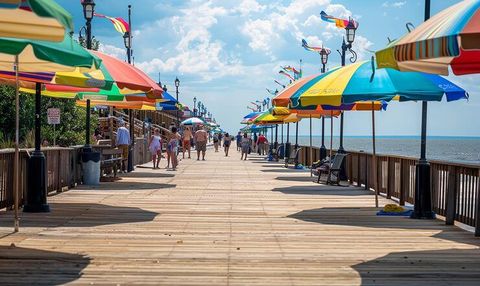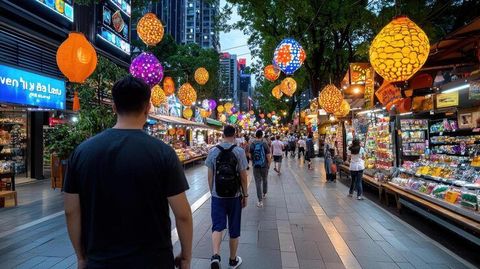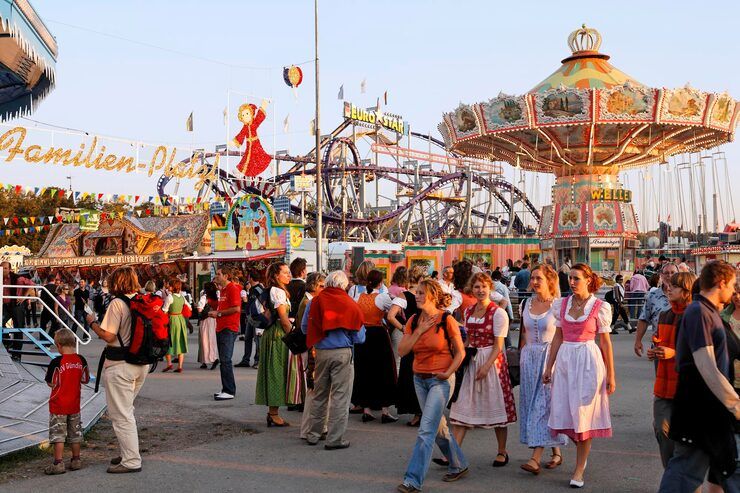
Carnival is a broad cultural tradition found in many parts of the world. It can include street parades, music, dancing, elaborate masquerade attire, theatrical performances, decorated vehicles, food traditions, competitions, and community celebrations.
Although the word “carnival” is strongly associated with Brazil and the Caribbean, major celebrations also take place in Europe, North America, Africa, and other regions. Each destination has developed its own traditions based on local history, religion, migration, music, and cultural identity.
Rio de Janeiro, Venice, Trinidad and Tobago, Notting Hill in London, New Orleans, Santa Cruz de Tenerife, Cologne, Nice, and Recife are among the internationally recognized carnival destinations.
Why Global Carnival Experiences Matter
Carnivals are more than large public celebrations. They can preserve music, dance, language, craftsmanship, storytelling, and community traditions across generations.
For international visitors, carnival can also provide an introduction to the history and cultural identity of a destination. However, responsible participation requires an understanding of local customs rather than treating every celebration as a similar type of entertainment.
Carnival events can affect:
- Local residents and community organizations
- Musicians, dancers, artists, and cultural groups
- Restaurants and accommodation providers
- Public transportation systems
- Police and emergency planning authorities
- International visitors
- Local governments and cultural institutions
Large festivals also require careful planning because crowds can become concentrated in relatively small areas.
Major Carnival Traditions Around the World
| Destination | Main Cultural Features | Typical Period |
|---|---|---|
| Rio de Janeiro, Brazil | Samba schools, parades, street celebrations | February or March |
| Trinidad and Tobago | Soca, calypso, J'ouvert, masquerade bands | February or March |
| Venice, Italy | Masks, historical themes, public performances | February |
| Notting Hill, UK | Caribbean music, steelpan, sound systems, parades | August |
| New Orleans, USA | Parades, marching groups, music and throws | January–February |
| Tenerife, Spain | Large parades, music, pageants and public events | February–March |
| Cologne, Germany | Street celebrations, processions and traditional groups | February |
| Recife, Brazil | Frevo music and dance, community celebrations | February |
Carnival calendars vary each year because many events are linked to the Christian liturgical calendar, while others follow established municipal schedules.
Cultural Heritage and Community Identity
Carnival traditions often demonstrate how communities preserve cultural identity while adapting to modern life.
UNESCO has documented the cultural significance of carnival-related traditions in different locations. Recife's frevo, for example, was added to UNESCO's Representative List of the Intangible Cultural Heritage of Humanity in 2012. The tradition combines music, dance, creativity, and community participation.
In 2025, UNESCO also considered Croatia's proposal concerning the safeguarding and documentation of the Lastovo Poklad carnival custom. The programme focuses on documenting traditions and transmitting knowledge to younger generations.
These examples show that carnival can function as living heritage rather than simply an annual tourist event.
Recent Global Carnival Updates
Several major carnival destinations introduced notable developments during 2026.
Notting Hill Carnival Reaches 60 Years
London's Notting Hill Carnival marked its 60th anniversary in 2026. The official programme included Panorama on August 29, the Children's Day and J'ouvert activities on August 30, and the main parade on August 31.
The organizers also announced additional crowd-management measures for 2026, including increased stewarding and greater use of technology. The event received an additional £4.66 million in funding from the Mayor of London alongside support from local councils.
A new official Notting Hill Carnival app was also announced for 2026, designed to provide maps, event information, band details, sound-system information, and live updates.
Venice Carnival 2026
Venice held its 2026 carnival from January 31 through February 17. The official theme, “Olympus – The Origins of the Game,” connected historical Venetian carnival traditions with themes of sport, mythology, artistic performance, and competition.
The event demonstrates how established cultural festivals can introduce contemporary themes while maintaining historical elements.
Rio Carnival 2026
Rio de Janeiro officially opened its 2026 carnival on February 13, 2026, with the traditional symbolic presentation of the city's key to King Momo. The ceremony included representatives of samba-school culture and the city's carnival court.
Rio's carnival continues to combine samba-school parades, community street celebrations, music, dance, and large public gatherings.
Trinidad and Tobago Carnival
Trinidad and Tobago's carnival remains a major cultural event built around soca, calypso, steelpan, J'ouvert, masquerade bands, and public parades.
The country's official tourism authority lists Carnival Monday and Tuesday as the central days of the celebration, while activities extend across the wider carnival season.
The 2026 calendar included events ranging from traditional competitions and parades to steelpan activities and community celebrations.
Laws, Regulations and Public Policies
Carnival regulations differ considerably between countries and cities. There is no universal carnival law, so travelers should consult official local information before attending.
Large festivals can involve several regulatory areas:
- Public-event permits
- Crowd-management requirements
- Road closures
- Public transportation changes
- Noise regulations
- Alcohol regulations
- Fire and emergency rules
- Public-space restrictions
- Photography and drone rules
- Entry requirements for certain venues
- Environmental and waste-management rules
United Kingdom
Notting Hill Carnival takes place across public streets in London and involves extensive coordination between organizers, local authorities, transport organizations, emergency planners, and police.
The event's 2026 organizers announced additional crowd-management measures and greater use of technology as part of preparations for the 60th anniversary.
Visitors should follow official signs, steward instructions, transport notices, and public-safety guidance during the event.
Brazil
Major Brazilian carnivals involve municipal authorities, event organizers, parade organizations, public-safety agencies, and transportation authorities.
Travelers attending Rio Carnival should check official city information for parade schedules, road restrictions, public transportation changes, and safety announcements because arrangements can change during the festival period.
Italy
Venice Carnival takes place within a historic urban environment with strict local rules concerning public spaces, transport, security, and heritage protection.
The official Venice tourism platform identifies the 2026 carnival dates and directs visitors to the official carnival website for current event information.
Visitors should check municipal announcements before arriving because pedestrian routes and access arrangements can change during large events.
General International Travel Rules
International visitors should also review:
- Passport validity requirements
- Visa or electronic travel authorization requirements
- Local public-transport regulations
- Event-specific entry conditions
- Emergency contact numbers
- Travel insurance coverage
- Local laws concerning photography and drones
- Restrictions concerning public drinking or restricted substances
Following local regulations is particularly important during crowded public celebrations.
Tools and Resources for Carnival Planning
Digital resources can make international carnival planning more organized.
Official Festival Websites
The first source to check should normally be the official festival or municipal website. These sources can provide:
- Official dates
- Parade routes
- Event schedules
- Transport announcements
- Safety notices
- Accessibility information
- Venue information
- Weather-related updates
For example, Notting Hill Carnival publishes its official schedule and event information online.
Maps and Navigation Apps
Digital maps can help travelers identify:
- Parade routes
- Public transportation stations
- Emergency facilities
- Accommodation areas
- Designated entrances
- Alternative routes
Downloading relevant maps before entering a crowded area can be useful when mobile connectivity becomes congested.
Weather and Travel Information
Weather applications and national meteorological agencies can help travelers prepare for heat, rain, storms, or other conditions.
Travelers should check forecasts shortly before major outdoor events because carnival activities can continue for many hours.
Travel Insurance Information
Travel insurance can be relevant for international festival travel because policies may address issues such as medical emergencies, trip interruptions, baggage problems, or certain travel disruptions.
Coverage varies considerably between policies, so travelers should read the exclusions, geographical limits, activity restrictions, and claim requirements before relying on a policy.
Simple Carnival Planning Table
| Planning Area | Information to Check |
|---|---|
| Dates | Official festival calendar |
| Parade | Route, starting time and viewing areas |
| Transport | Road closures and transit changes |
| Safety | Emergency numbers and crowd guidance |
| Weather | Forecast and severe-weather alerts |
| Accommodation | Location relative to event areas |
| Documentation | Passport, visa and identification requirements |
| Health | Medication, hydration and medical facilities |
| Culture | Local customs and photography etiquette |
Frequently Asked Questions
What are some of the world's major carnival experiences?
Major examples include Rio Carnival in Brazil, Trinidad and Tobago Carnival, Venice Carnival in Italy, Notting Hill Carnival in London, New Orleans Mardi Gras, Tenerife Carnival, Cologne Carnival, and Recife Carnival. Each has different traditions, schedules, music, and cultural backgrounds.
When is carnival season?
There is no single worldwide carnival date. Many traditional carnivals occur before Ash Wednesday, which means their dates change each year. Notting Hill Carnival is held in late August, while Venice Carnival is generally held before Lent. Always check the official calendar for the specific year.
Is carnival suitable for families?
Many carnivals include family-oriented events and children's parades, but some activities take place in very dense crowds or late at night. Families should review the official schedule and choose areas specifically designated for children or daytime participation.
What should international visitors know before attending?
Visitors should research local customs, official schedules, transportation changes, weather conditions, crowd guidance, emergency contacts, and relevant entry requirements. Respect for local traditions is also important, particularly when photographing performers or participating in cultural activities.
How can travelers participate respectfully?
Learn about the festival's history, follow local rules, avoid damaging public spaces, respect performers and residents, and ask permission before taking close-up photographs of individuals. Travelers should also avoid treating culturally significant traditions as stereotypes.
Conclusion
Global carnival experiences bring together music, dance, public art, historical traditions, community participation, and cultural identity. Although the celebrations in Rio, Venice, Trinidad and Tobago, London, Recife, New Orleans, and other destinations share the word “carnival,” their histories and traditions are distinct.
Recent developments in 2026 demonstrate how major festivals continue to evolve. Notting Hill Carnival marked its 60th anniversary with expanded programming and additional crowd-management measures, Venice introduced a new artistic theme, Rio formally opened its annual celebration, and Trinidad and Tobago continued its extensive calendar of cultural activities.
For international travelers, preparation should combine cultural awareness with practical planning. Checking official festival information, understanding local regulations, monitoring weather conditions, planning transportation, and respecting community traditions can make a carnival visit more informed and responsible.