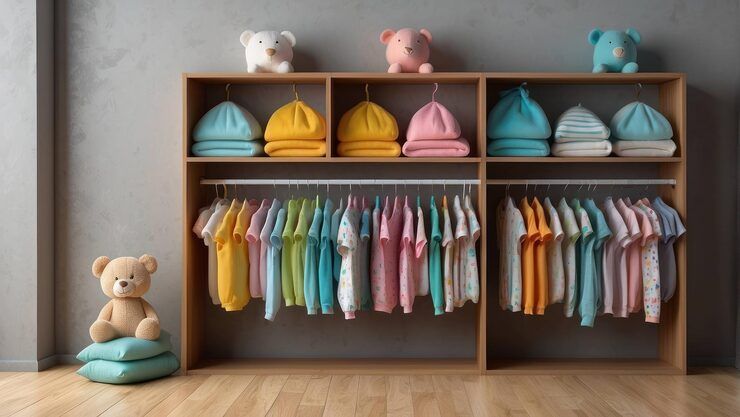
Kids wardrobe themes combine practical clothing storage with colors, patterns, shapes, and decorative elements suited to a child's bedroom. A wardrobe is an important part of bedroom organization because it helps keep clothing, shoes, accessories, school supplies, and other everyday belongings arranged in one place.
Unlike adult wardrobes, children's storage furniture often needs to accommodate changing heights, developing independence, different clothing sizes, and evolving interests. A design that works for a toddler may need adjustments when the child begins school or becomes a teenager.
Popular themes include nature, animals, space exploration, geometric patterns, storybook-inspired colors, minimalist designs, and coordinated bedroom furniture. The most practical approach combines a visually appealing theme with durable materials, accessible storage, and appropriate safety features.
Popular Kids Wardrobe Design Themes
Different themes can create different visual effects within a child's room.
Nature-inspired themes: Leaves, trees, mountains, flowers, and natural colors.
Animal themes: Illustrations of woodland animals, birds, marine life, or farm animals.
Space themes: Planets, stars, rockets, and dark blue or purple accents.
Minimalist themes: Neutral colors, simple handles, clean lines, and uncluttered surfaces.
Geometric themes: Circles, stripes, arches, and repeating patterns.
Adventure themes: Maps, forests, oceans, and exploration-inspired details.
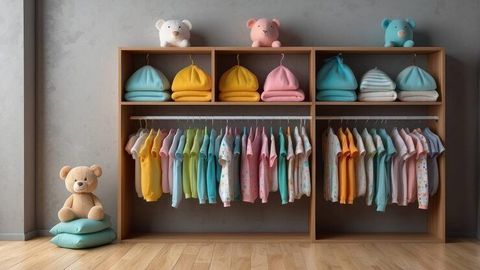
Pastel themes: Soft pink, blue, green, yellow, and lavender tones.
Creative themes: Chalkboard-style panels, drawing areas, and customizable labels.
A theme does not need to cover the entire wardrobe. Small decorative details can create a coordinated appearance without making the design difficult to update later.
Choosing Colors and Finishes
Color influences how a wardrobe fits into the wider bedroom design. Light shades can help a small room feel visually open, while darker colors can create contrast in larger spaces.
Neutral finishes are often practical for long-term use because bedding, wall colors, and decorative accessories can change without requiring the wardrobe to be replaced.
A simple combination might include a white wardrobe with natural wood accents, while a nature-themed room could use muted green panels and leaf-shaped decorative details.
Why Kids Wardrobe Themes Matter
A children's wardrobe is not only a decorative feature. Its layout can influence daily routines, room organization, accessibility, and how easily children learn to manage their belongings.
Supporting Everyday Organization
A well-organized wardrobe gives clothing and accessories designated places. This can reduce clutter and make it easier for families to prepare school clothing, organize seasonal items, and maintain a tidy bedroom.
Useful storage features include:
Adjustable shelves
Hanging rails
Pull-out drawers
Separate compartments
Shoe storage
Labeled baskets
Dividers for small accessories
Upper shelves for occasional-use items
The appropriate combination depends on the child's age, clothing needs, and available room space.
Encouraging Independence
Storage that children can reach safely may help them learn to choose clothes, return items to their places, and organize everyday belongings.
Frequently used clothing can be kept on lower shelves, while less frequently needed items remain in higher compartments managed by an adult.
Making Better Use of Bedroom Space
Children's bedrooms often need to accommodate sleeping, studying, playing, and storage. A wardrobe that uses vertical space efficiently can leave more floor area available for these activities.
Sliding doors may be useful where a hinged door would interfere with a bed or desk. However, the best configuration depends on room dimensions, access requirements, and the wardrobe's internal layout.
Adapting to Growth
Children's preferences and storage needs change over time. Adjustable shelves, movable hanging rails, and replaceable decorative elements can help a wardrobe remain useful as clothing sizes and interests evolve.
Recent Trends in Kids Wardrobe Design
During 2025 and 2026, children's bedroom design has continued to reflect broader interior-design interests in adaptable furniture, natural finishes, personalization, and efficient use of space. Individual trends vary by country, household preferences, and room size.
Flexible and Modular Storage
Modular storage allows shelves, drawers, and compartments to be arranged around different needs. This approach can be useful when a child's wardrobe must accommodate changing clothing sizes or additional school items.
Rather than relying on a highly specialized theme, families can choose a simple wardrobe structure and introduce decorative details through removable accessories.
Natural Colors and Materials
Wood-inspired finishes, muted green, warm beige, soft blue, and other nature-associated colors remain common choices in contemporary bedroom design.
These shades can coordinate with a variety of wall colors and bedding styles while creating a calmer visual environment.
Personalization Without Permanent Changes
Decorative handles, removable wall decals, name labels, and color-coded organizers allow children to personalize their space.
These elements can be updated more easily than painted illustrations or permanently themed panels. Parents should check that decorative materials are appropriate for the furniture surface and are kept away from young children when detachable pieces present a choking risk.
Space-Efficient Furniture
Compact wardrobes, vertical shelving, and coordinated storage units remain relevant where bedrooms have limited floor space.
A practical layout generally prioritizes easy access to everyday clothing, sufficient ventilation, and clear movement around furniture rather than maximizing storage capacity alone.
Safety Standards and Furniture Policies
Children's wardrobes should be selected and installed with attention to furniture stability, materials, hardware, and age-appropriate use. Applicable requirements differ by country, so families should consult the standards and consumer-safety guidance relevant to their location.
Furniture Stability and Tip-Over Prevention
Tall wardrobes can tip if a child climbs on drawers or pulls on an unsecured unit. Furniture stability is therefore an important safety consideration.
Practical precautions include:
Securing tall furniture to an appropriate wall structure using suitable anchoring hardware.
Following the manufacturer's installation instructions.
Keeping heavy objects in lower compartments.
Avoiding placement of tempting toys on top of the wardrobe.
Checking that drawers and doors operate correctly.
Inspecting fasteners periodically.
Wall materials vary, so the appropriate anchors depend on the wall construction and furniture design.
Material and Chemical Safety
Paints, coatings, adhesives, composite wood products, and finishes can affect indoor air quality. Families should look for documented compliance with relevant local chemical-emission and product-safety requirements.
In the United States, certain composite wood products are subject to formaldehyde-emission requirements under the Environmental Protection Agency's regulations. Other countries have their own product-safety and material standards.
Low-emission documentation can be useful, but claims should be checked against the actual product certification rather than relying only on marketing descriptions.
Child-Safe Hardware
Small design details can influence safety. Smooth edges, securely fitted handles, properly functioning hinges, and drawer mechanisms designed to reduce unexpected movement may help lower everyday risks.
Parents should also keep detachable decorative components, small accessories, and potentially hazardous cleaning products out of reach of young children.
Tools and Resources for Planning
Several practical resources can help families design an organized children's wardrobe.
Room Measurement Tools
A tape measure or digital measuring tool can help record:
Wall width and height
Ceiling clearance
Doorway dimensions
Window positions
Bed and desk locations
Available walking space
Door-opening clearance
Measurements should be taken before choosing wardrobe dimensions or arranging delivery and installation.
Interior Design Applications
Room-planning applications can help visualize wardrobe placement, color combinations, and furniture arrangements before making changes.
Useful functions include 2D floor plans, 3D room previews, furniture dimensions, and color palettes. Measurements should still be verified physically because digital previews may not reflect actual installation constraints.
Organization Templates
A simple storage plan can divide wardrobe space into categories:
| Storage Area | Suggested Contents | Organization Method |
|---|---|---|
| Lower shelves | Everyday clothing | Open bins or folded stacks |
| Hanging section | Dresses, shirts, jackets | Child-appropriate hangers |
| Drawers | Socks and small garments | Compartment dividers |
| Shoe section | Everyday footwear | Separate pairs |
| Upper shelves | Seasonal clothing | Clearly labeled containers |
| Side compartments | Accessories | Small organizers |
The layout can be adjusted according to the child's age, clothing collection, and available space.
Official Safety Resources
In the United States, the Consumer Product Safety Commission publishes furniture-safety guidance and information about applicable requirements. In Europe, consumer-product safety requirements and relevant furniture standards provide additional reference points.
Families should check their national consumer-protection authority for current rules, product recalls, and installation guidance.
Frequently Asked Questions
Which wardrobe theme works well for a small children's bedroom?
Minimalist designs, light colors, and simple decorative accents can help a small room feel less crowded. Sliding doors may also reduce the space required for door movement, depending on the room layout.
What storage features are most useful in a children's wardrobe?
Adjustable shelves, accessible hanging rails, drawers, clothing dividers, and clearly labeled compartments can support everyday organization. The most suitable combination depends on the child's age and storage requirements.
How can a wardrobe remain suitable as a child grows?
A neutral exterior with adjustable internal storage can accommodate changing clothing sizes and preferences. Removable decorations and interchangeable handles can also update the appearance without changing the main furniture structure.
Are sliding-door wardrobes safer for children?
Sliding doors can reduce the risk of a hinged door swinging into nearby furniture, but safety depends on the design, installation, hardware, and supervision. All wardrobes should be stable, properly installed, and used according to the manufacturer's instructions.
How can parents improve wardrobe safety?
Secure tall furniture to an appropriate wall structure, keep heavy items low, inspect hardware, and prevent children from climbing drawers. Check product instructions and relevant local safety guidance before installation.
Conclusion
Kids wardrobe themes combine bedroom decoration with practical storage and child-friendly organization. Nature-inspired colors, geometric patterns, animal illustrations, minimalist finishes, and space themes can all work when the design suits the room and the child's preferences.
The most effective approach balances appearance with adaptability, accessibility, durability, and safety. Adjustable shelves, clear storage categories, suitable materials, and secure installation can help a wardrobe remain useful as a child grows.
By measuring the room carefully, planning internal compartments, checking relevant product-safety information, and using changeable decorative elements, families can create a children's wardrobe that supports everyday routines without depending on a short-lived design trend.