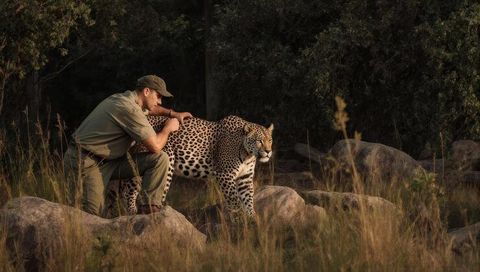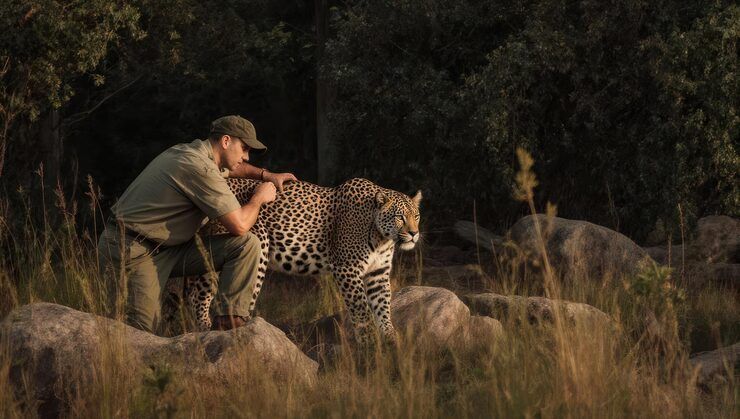
Ethical wildlife viewing tours allow people to observe animals in their natural environments while minimizing disturbance to wildlife and protecting surrounding ecosystems. These experiences can include watching elephants in protected habitats, observing whales from boats, photographing birds in wetlands, or viewing lions and other mammals during guided safaris.
Wildlife tourism exists because many people want to learn about animal behavior, biodiversity, and conservation through direct observation. However, tourism can also create problems when visitors approach animals too closely, disturb breeding areas, feed wildlife, or contribute to activities that place animals under stress.
Ethical wildlife viewing focuses on responsible observation rather than guaranteed animal encounters. It recognizes that wildlife behavior is unpredictable and that animals should be allowed to feed, rest, reproduce, and move naturally without unnecessary human interference.
Understanding Ethical Wildlife Viewing
Responsible wildlife observation involves decisions about how animals are approached, where visitors travel, how guides behave, and whether tourism activities support habitat protection.
A well-managed wildlife viewing experience generally prioritizes animal welfare, habitat conservation, visitor safety, and respect for local communities.
Common forms of wildlife observation include:
Guided wildlife safaris in protected landscapes
Whale and dolphin watching from appropriately managed vessels
Birdwatching in forests, wetlands, and coastal habitats
Guided walks in wildlife reserves
Marine wildlife observation from designated viewing areas
Photography from established observation points
Educational visits focused on conservation and biodiversity
The ethical standard depends on the actual practices involved, not simply on how an activity is described. A tour labeled environmentally responsible may still disturb wildlife if vehicles surround animals, boats approach too closely, or visitors are encouraged to touch or feed wild animals.
Principles of Responsible Animal Observation
Ethical wildlife viewing follows several practical principles.
Maintain a respectful distance. Visitors should follow local guidelines and avoid approaching animals simply to obtain closer photographs.
Avoid feeding wildlife. Human food can alter natural feeding behavior, increase dependence on people, and expose animals to unsuitable food.
Respect natural behavior. Animals should be able to retreat, move away, rest, and care for their young without being surrounded by visitors.
Choose appropriate viewing methods. Quiet observation, designated viewing areas, and trained guides can reduce unnecessary disturbance.
Avoid harmful interactions. Activities involving forced contact, staged encounters, or direct physical interaction with wild animals require careful scrutiny.
These principles are relevant whether wildlife is observed on land, in freshwater environments, or in the ocean.
Why Ethical Wildlife Viewing Matters
Wildlife tourism can contribute to conservation awareness, environmental education, and the economic activity of communities located near natural habitats. Its long-term value depends on managing visitor pressure and protecting animal populations.
Wildlife Welfare and Conservation
Animals respond to human presence in different ways. Repeated disturbance can change feeding patterns, movement, communication, breeding behavior, and the use of important habitat areas.
For example, boats that repeatedly approach whales may interrupt resting or feeding behavior. Visitors who surround nesting birds may cause adults to leave their nests, exposing eggs or chicks to environmental risks.
Responsible wildlife viewing aims to reduce these disturbances while allowing visitors to learn about animals in their natural surroundings.
Supporting Local Communities
Wildlife tourism can contribute to local livelihoods through guiding, transportation, accommodation, conservation education, and other legitimate economic activities.
Community participation can also encourage long-term habitat protection when residents have a meaningful role in managing tourism and benefit from the continued health of local ecosystems.
However, economic benefits vary by destination. Responsible planning should consider whether local communities participate in decision-making and how tourism affects land use, resources, and traditional activities.
Environmental Education
Seeing wildlife in its natural habitat can help visitors understand biodiversity and the relationships between animals, plants, water, and climate.
Educational interpretation can explain topics such as migration, predator-prey relationships, habitat fragmentation, endangered species, and ecosystem restoration.
Recent Developments in Ethical Wildlife Tourism
During 2025 and 2026, wildlife conservation discussions continued to emphasize habitat protection, responsible tourism, biodiversity monitoring, and the effects of human activity on animal populations.
International Wildlife Conservation Priorities
The international biodiversity framework adopted under the Convention on Biological Diversity continues to guide conservation planning through 2030. Its goals include protecting ecosystems, reducing threats to biodiversity, and promoting the sustainable use of natural resources.
These priorities are relevant to wildlife tourism because visitor access, infrastructure development, and habitat disturbance can influence the condition of protected areas.
Whale and Dolphin Watching
Responsible marine wildlife observation remains an important focus of conservation authorities and research organizations. Guidance commonly emphasizes maintaining appropriate separation distances, limiting the duration of encounters, avoiding sudden vessel movements, and allowing animals an unobstructed route away from boats.
Specific requirements vary by species and location. Visitors should check local marine wildlife regulations rather than assuming that one distance guideline applies worldwide.
Wildlife Photography and Digital Media
Social media continues to influence wildlife photography and tourism planning. Images taken at close range can create unrealistic expectations about how near visitors should approach animals.
Responsible photography practices emphasize using suitable lenses, remaining on designated paths, avoiding flash where it may disturb animals, and refusing to pursue wildlife for a photograph.
A useful trend in conservation education is to emphasize the quality of observation and the welfare of the animal rather than the proximity of the encounter.
Habitat Protection and Visitor Management
Protected areas increasingly use visitor management measures such as designated routes, seasonal closures, viewing platforms, guided access, and restrictions around breeding or nesting locations.
These approaches can help reduce disturbance in sensitive habitats, although their effectiveness depends on enforcement, ecological monitoring, and cooperation among authorities, guides, and visitors.
Laws, Policies, and Wildlife Protection
Wildlife viewing regulations vary by country, protected area, species, and activity. Visitors should understand the rules that apply to the specific destination rather than relying on general tourism advice.
International Wildlife Protection
The Convention on International Trade in Endangered Species of Wild Fauna and Flora, commonly known as CITES, regulates international trade in listed wild animals, plants, and their products.
CITES does not provide a universal code for wildlife viewing, but it is relevant when tourism activities involve animal specimens, wildlife products, or the international movement of protected species.
The Convention on Biological Diversity also provides an international framework for biodiversity conservation and the sustainable use of ecosystems.
National Parks and Protected Areas
National and regional authorities may establish rules governing:
Minimum distances from wildlife
Vehicle movement and speed
Boat approach distances
Feeding or touching animals
Drone use
Photography and filming
Access to breeding areas
Seasonal closures
Group sizes and permitted routes
For example, national parks may restrict off-road driving to protect vegetation and prevent vehicles from approaching wildlife too closely.
Marine Wildlife Regulations
Whale and dolphin viewing may be subject to national marine mammal protection laws, vessel approach restrictions, and protected-area requirements.
In the United States, the Marine Mammal Protection Act establishes protections for marine mammals, including restrictions on activities that constitute unauthorized harassment.
Visitors should follow local instructions even when an animal voluntarily approaches a viewing vessel.
Animal Welfare Considerations
Wildlife facilities and animal encounters may be regulated under national animal welfare laws, licensing requirements, or conservation legislation.
Visitors should examine whether animals can retreat from human contact, whether their natural behavior is encouraged, and whether the activity involves restraint, forced handling, or other practices that could cause distress.
Tools and Resources for Responsible Wildlife Viewing
Several resources can help visitors evaluate wildlife activities and understand local environmental conditions.
Official Conservation Authorities
National park agencies, wildlife departments, marine conservation authorities, and protected-area managers publish information about access rules, endangered species, seasonal closures, and responsible visitor behavior.
Official guidance is particularly important when local regulations specify viewing distances or restrictions on particular activities.
Wildlife Identification Applications
Bird and wildlife identification applications can help visitors recognize species and learn about their natural history.
These tools can support educational observation without requiring visitors to approach or handle animals. Identification results should be treated as guidance when species are difficult to distinguish.
Maps and Weather Resources
Digital maps can help visitors identify established trails, viewing platforms, protected habitats, and permitted access routes.
Weather information is important because storms, heat, rough seas, and seasonal changes can affect wildlife behavior and visitor safety.
Responsible Tour Evaluation Checklist
Before selecting a wildlife viewing activity, consider the following factors.
| Evaluation Factor | What to Check |
|---|---|
| Animal welfare | Can animals move away from visitors? |
| Viewing distance | Are local wildlife guidelines followed? |
| Feeding practices | Are visitors discouraged from feeding animals? |
| Habitat protection | Are designated routes and protected areas respected? |
| Guide knowledge | Can guides explain animal behavior and conservation? |
| Group management | Are group sizes and noise levels controlled? |
| Community participation | Are local communities meaningfully involved? |
| Conservation claims | Are environmental claims specific and verifiable? |
No single checklist guarantees that an activity is ethical. Observing actual practices and reviewing credible information are both important.
Frequently Asked Questions
What makes a wildlife viewing tour ethical?
An ethical wildlife viewing activity prioritizes animal welfare, minimizes disturbance, respects habitat restrictions, follows applicable laws, and provides accurate information about wildlife and conservation.
Is feeding wild animals acceptable during wildlife tours?
Generally, visitors should not feed wild animals unless a specific activity is legally authorized and professionally managed for a clearly defined conservation purpose. Feeding can alter natural behavior and expose animals to unsuitable food.
Are wildlife photography tours harmful to animals?
Not necessarily. Photography can be compatible with conservation when visitors maintain appropriate distances, remain on permitted routes, and avoid disturbing animals. Problems arise when photographers chase, surround, bait, or repeatedly approach wildlife.
How can visitors identify responsible wildlife operators?
Look for clear animal-welfare rules, knowledgeable guides, transparent conservation practices, compliance with local regulations, and procedures that allow animals to move away from visitors. Be cautious about guaranteed sightings or activities involving forced physical contact.
Does ethical wildlife tourism help conservation?
It can contribute through conservation education, habitat protection, research support, and local economic participation. The actual impact depends on how activities are managed and whether conservation benefits are measurable.
Conclusion
Ethical wildlife viewing tours provide opportunities to observe animals and understand ecosystems while respecting the needs of wildlife and the communities that live near natural habitats.
Responsible observation requires appropriate distances, minimal disturbance, informed guides, respect for protected areas, and careful evaluation of animal encounters. Wildlife tourism can support conservation awareness and local participation, but its benefits depend on effective management and credible environmental practices.
Before planning an activity, visitors should review current regulations, examine the operator's wildlife policies, and understand the environmental conditions of the destination. The central principle is straightforward: wildlife should be observed on its own terms, with animal welfare and habitat protection taking priority over close encounters or photographs.