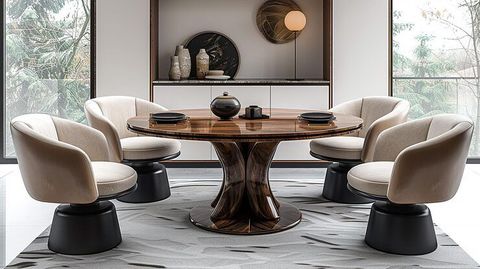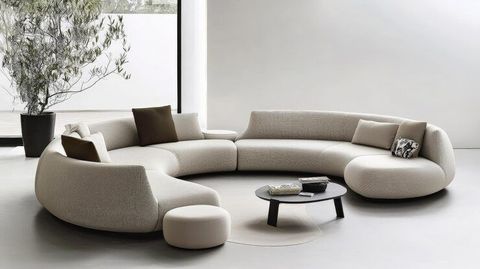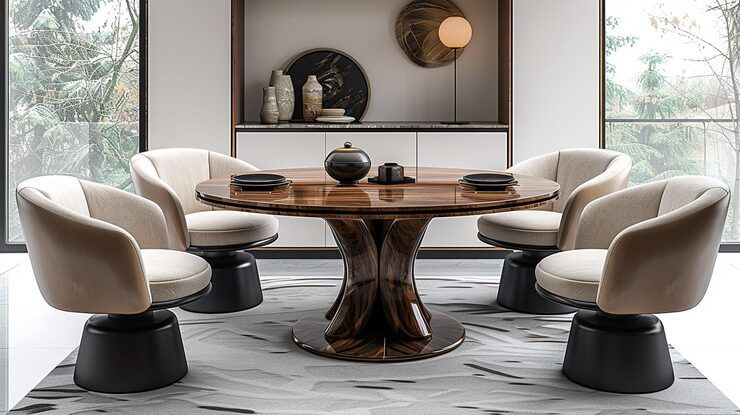
Designer dining benches are seating pieces developed to complement dining tables, improve seating flexibility, and contribute to the overall appearance of an interior. They range from simple wooden benches to upholstered designs featuring sculptural legs, curved backs, metal frames, and contemporary finishes.
| an incorporate recovered resources | Performance depends on material composition |
Material quality depends on more than appearance. Frame construction, joinery, seat support, surface treatments, and upholstery specifications also influence durability.
Why Designer Dining Benches Matter
Dining furniture affects how people use a room, move around the table, and interact during everyday activities.
Space Planning and Seating Flexibility
A dining bench can accommodate different seating arrangements without requiring a separate chair for every position. This can be particularly useful in compact apartments, breakfast nooks, and open-plan living spaces.
A backless bench may slide under the table when not in use, helping preserve circulation space. However, the actual benefit depends on table supports, bench dimensions, and the amount of room available.
Interior Design Coordination
Designer dining benches can help connect different elements of a dining room.
For example, a timber bench can complement a wooden dining table, while an upholstered bench can introduce texture and contrast into a room with stone, glass, or metal surfaces.
Useful design considerations include:
Matching or contrasting materials
Coordinating upholstery colors
Balancing rounded and straight shapes
Maintaining visual proportion
Considering lighting and surrounding furniture
Preserving clear walking routes
Comfort and Ergonomics
A bench should provide suitable seat height, depth, and support for the people using it. Upholstery may improve cushioning, but excessive softness can make standing up and sitting down more difficult for some users.
Backrests can provide additional support, while a backless design may be more adaptable to different seating positions.
For households with children, older adults, or people with mobility considerations, seat stability, ease of movement, and access to the table deserve particular attention.
Everyday Practicality
Dining benches are used for meals, conversation, homework, and other activities. Their construction should reflect the expected frequency and intensity of use.
A household that uses its dining table several times a day may prioritize easy-clean surfaces and strong joints. A formal dining area may place greater emphasis on upholstery, proportions, and visual detail.
Recent Trends in Designer Dining Benches
Furniture design during 2025 and 2026 has continued to emphasize tactile materials, flexible layouts, natural finishes, and furniture that combines visual character with everyday functionality.
Curved Forms and Sculptural Shapes
Rounded seats, curved backrests, and softly shaped frames remain prominent in contemporary interior design.
These forms can soften rooms dominated by rectangular tables, straight cabinetry, and hard architectural surfaces. Designers may also use asymmetrical shapes to create a focal point without relying on elaborate decoration.
Natural Materials and Textures
Wood grain, textured fabrics, woven surfaces, and muted finishes continue to influence dining furniture design.
Natural materials can create visual warmth, although performance depends on the specific species, finish, construction, and maintenance routine.
Flexible Furniture for Smaller Homes
Multifunctional furniture remains relevant where dining areas share space with kitchens or living rooms.
Examples include:
Benches that fit beneath tables
Storage seating
Modular dining arrangements
Compact benches for breakfast corners
Upholstered benches with adaptable placement
These designs can support more flexible layouts, but measurements remain essential before selecting furniture for a limited space.
Sustainability and Product Transparency
Environmental considerations are increasingly important in furniture specification. Designers and consumers may examine recycled content, responsibly sourced timber, product longevity, repairability, and material documentation.
A sustainability claim should be supported by verifiable product information rather than relying only on labels such as “eco-friendly” or “green.”
Furniture Standards, Safety, and Consumer Policies
Designer dining benches are affected by product-safety expectations, material requirements, consumer-protection rules, and building accessibility considerations. The exact requirements depend on the country and the intended setting.
Product Safety and Structural Quality
A dining bench should be stable under its intended loading conditions. Frame joints, legs, fasteners, seat supports, and finishes all contribute to safe use.
Before selecting a bench, consider:
Structural stability
Intended seating capacity
Manufacturer weight guidance
Resistance to tipping
Upholstery durability
Sharp edges and pinch points
Appropriate maintenance instructions
Commercial environments may have additional requirements for furniture durability, fire performance, or public safety.
Furniture Standards
Standards vary by jurisdiction and product category. In the United States, the American National Standards Institute and the Business and Institutional Furniture Manufacturers Association publish standards relevant to certain furniture products, although a specific standard may not apply to every dining bench.
In Europe, furniture specifications can be affected by applicable EN standards, chemical-safety requirements, and the EU General Product Safety Regulation, which became applicable on December 13, 2024.
Buyers and designers should verify the requirements relevant to the specific product and market rather than assuming that one standard applies internationally.
Accessibility and Dining Layouts
Furniture placement can affect movement and accessibility, particularly in public dining spaces and commercial interiors.
The Americans with Disabilities Act in the United States establishes accessibility requirements for covered facilities, including certain dining surfaces and accessible routes. Requirements depend on the facility and the applicable provisions.
For residential spaces, practical planning should still consider wheelchair movement, suitable table clearance, and unobstructed circulation where needed.
Environmental and Material Claims
Environmental claims should be accurate and supported by appropriate evidence. For example, recycled content, timber sourcing, and emissions-related claims should be clearly documented.
This approach helps designers compare products using meaningful information rather than unsupported environmental language.
Tools and Resources for Dining Bench Planning
Several resources can help with furniture dimensions, interior layouts, and material selection.
Room Measurement Tools
A measuring tape or digital laser measure can establish room dimensions, table length, and available seating space.
Record the following before planning:
Dining table length and width
Table height
Bench length and seat depth
Distance between the table and walls
Space needed to pull out the bench
Walking routes around the dining area
Interior Design Software
Room-planning applications can help visualize furniture placement before a layout is finalized. Three-dimensional planning tools can show how bench dimensions relate to tables, cabinets, lighting, and other furniture.
Material and Finish Samples
Physical samples can help compare wood tones, upholstery textures, metal finishes, and color combinations under the room's actual lighting.
Material specifications are particularly useful when comparing cleaning instructions, durability information, and environmental documentation.
Furniture Planning Checklist
Before finalizing a design, evaluate:
Seating capacity
Seat height and depth
Table compatibility
Structural stability
Cleaning requirements
Available floor space
Upholstery durability
Accessibility needs
Warranty and maintenance documentation
Material sourcing information
Frequently Asked Questions
What is the difference between a dining bench and dining chairs?
A dining bench accommodates multiple people along one seating surface, while individual chairs provide separate seats. Benches can create a continuous visual line and may fit beneath a table, whereas chairs usually provide more individual positioning flexibility.
Are upholstered dining benches suitable for everyday use?
Yes, depending on the upholstery, frame construction, and maintenance requirements. Durable fabrics and appropriate cleaning methods can support regular use, but households should review the manufacturer's care instructions before selecting a material.
How do you choose the right dining bench size?
Measure the table, available floor area, and surrounding walking routes. The bench should fit the table comfortably while leaving enough room for people to sit down, stand up, and move around the dining area.
Are wooden dining benches durable?
A well-constructed wooden bench can provide long-term durability. Its performance depends on the timber, joinery, finish, loading conditions, and maintenance. Moisture exposure and loose joints should be addressed according to the manufacturer's guidance.
What dining bench style suits a modern interior?
Minimalist wooden benches, upholstered designs, metal-frame models, and curved contemporary benches can all work in modern interiors. The best choice depends on the table, room proportions, material palette, comfort requirements, and desired visual effect.
Conclusion
Designer dining benches combine seating flexibility, interior design, material selection, and practical space planning. Their variety makes them suitable for traditional dining rooms, contemporary apartments, compact kitchens, and selected commercial interiors.
Current design directions emphasize curved shapes, tactile finishes, multifunctional furniture, and greater attention to material transparency. However, a visually appealing design should also provide suitable dimensions, stable construction, manageable maintenance, and comfort for its intended users.
By comparing materials, measuring the dining area, evaluating structural quality, and checking applicable product requirements, homeowners and interior designers can make more informed decisions. A well-planned dining bench can contribute to a coordinated interior while supporting the everyday activities that take place around the dining table.